Top 10 CNC Milling Parts Suppliers You Need to Know?
When it comes to manufacturing, the importance of high-quality CNC milling parts cannot be overstated. These components play a crucial role in various industries, from aerospace to automotive. Finding reliable suppliers is vital for maintaining production efficiency. With so many options available, it can be overwhelming to choose the right one.
The top CNC milling parts suppliers are known for their expertise and quality. They offer a range of products that meet strict industry standards. It is essential to select a supplier that aligns with specific project requirements. An informed decision can save time and costs in the long run.
Working with a reputable supplier also ensures better communication and support. It may take time to identify the best partners, but the effort is worth it. The insights gained from collaborating with top suppliers can lead to improved designs and manufacturing processes. Trust is a key factor in this relationship, influencing the production's overall success.
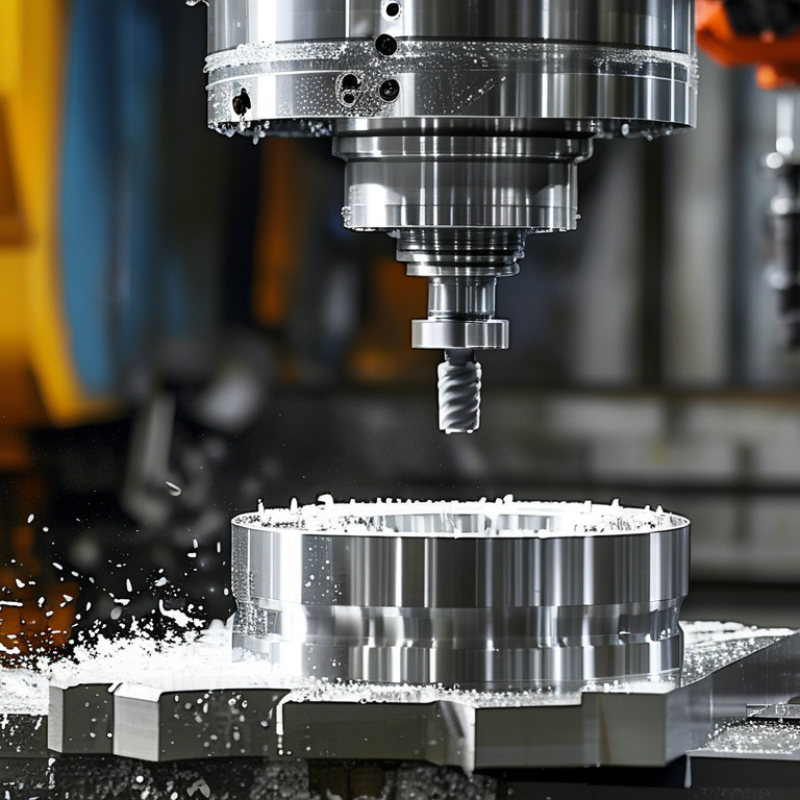
Top 10 CNC Milling Parts Suppliers: An Overview of Industry Leaders
CNC milling plays a crucial role in manufacturing. The growth of this sector is significant, with a projected compound annual growth rate (CAGR) of 7.1% from 2021 to 2028, according to industry reports. This rapid expansion underscores the importance of reliable suppliers in providing high-quality parts. Choosing the right partners is essential for ensuring precision and efficiency.
The top suppliers in the CNC milling industry demonstrate a commitment to innovation and quality. They utilize advanced machining technologies, which enhance production speed while maintaining accuracy. Many report that 80% of their clients experience reduced lead times due to these advancements. However, with increasing demands, not all suppliers can keep pace. Some struggle with consistency, raising questions about their long-term viability.
Understanding the landscape is key. Many suppliers have embraced ISO certification, ensuring their processes meet global standards. Yet, even with certifications, the variability in service quality can be concerning. Firms need to assess not just the technology, but also the suppliers' customer feedback and support systems. This comprehensive approach will lead to better decision-making in selecting partners in this competitive field.
Top 10 CNC Milling Parts Suppliers: Production Capacity Comparison
Key Factors to Consider When Selecting CNC Milling Suppliers
Selecting the right CNC milling supplier requires careful consideration. One key factor is experience in the industry. According to a report by IBISWorld, the CNC machining market is expected to grow by 7.1% annually. This highlights the importance of choosing a supplier with a proven track record. They should have years of experience to ensure quality and precision in their milling parts.
Another critical consideration is the range of services offered. Good suppliers often provide additional services like prototyping and assembly. A study by MarketsandMarkets indicates that companies prefer suppliers who can deliver comprehensive solutions. This can save time and money. It's essential to evaluate if the supplier can handle your specific project requirements.
Lastly, look for quality assurance processes. A reliable supplier will have certifications, such as ISO 9001. However, not all may meet these standards, leading to concerns about quality control. Some providers may lack transparency, which can be problematic. Always ask about their quality management systems. Consider how they handle defects or recalls. Consistent quality is vital in CNC milling, and these factors can significantly impact your production success.
Analysis of Market Share Among Leading CNC Milling Parts Suppliers
The CNC milling parts market is evolving rapidly. Various suppliers are competing for a share, creating a dynamic landscape. A recent analysis highlights key players and their market standings. Leading suppliers are noted for their advanced technology, production capabilities, and customer service. However, the competition also exposes areas needing improvement. Suppliers must innovate while ensuring quality and reliability.
Tips: Always compare pricing and services. Check for customer reviews and industry certifications. A good reputation can indicate reliability.
Market share varies widely among suppliers, influenced by factors like region and specialization. Some excel in specific applications, while others cover a broader range. The intricate details of production processes impact efficiency and output. Suppliers must balance cost and quality to maintain competitiveness. A failure to adapt may lead to losing market relevance.
Tips: Stay informed about industry trends. Use networking opportunities to learn from others. Engaging with industry experts can provide insights into best practices.
A Comparative Review of Quality Standards in CNC Machining Services
When assessing CNC machining services, quality standards are critical. These standards differentiate
suppliers by their capability to meet precise specifications. A well-defined quality system ensures that parts
are manufactured with accuracy and consistency. Quality inspections
at various stages of production are essential. This includes dimensional checks and material verification to
prevent defects.
Certifications play a significant role in establishing reliability. Suppliers with ISO certifications
demonstrate adherence to global standards. However, not all manufacturers maintain these certifications,
leading to potential inconsistencies in quality. Buyers should scrutinize suppliers' quality assurance processes.
Some companies may claim high standards but lack documentation or proof.
Transparency is another key factor. Companies should be open
about their manufacturing processes and any challenges faced. This openness can reveal weaknesses that may impact
product quality. It’s worth noting that even established suppliers may experience occasional errors. Monitoring
and feedback systems are necessary to rectify issues promptly. Ultimately, understanding quality standards
in CNC machining services can lead to better supplier selection and improved product outcomes.
Emerging Trends and Innovations in CNC Milling Parts Supply Chain
The CNC milling parts supply chain is rapidly evolving. Recent reports indicate that the global CNC machining market is expected to reach $100 billion by 2025, driven by advancements in automation and technology. One of the emerging trends is the integration of AI in supply chain management. Companies are using AI tools for demand forecasting, which helps minimize waste and reduce lead times.
Sustainability is another key trend. Manufacturers are focusing on eco-friendly materials and processes. According to industry studies, 65% of companies are investigating sustainable practices in their operations. This shift not only improves environmental impact but can also enhance brand reputation among consumers.
Tips: Collaborate with suppliers who prioritize sustainability. Look for innovations that cut costs while improving quality. Embrace technology but be wary of over-reliance; a human touch is still essential in decision-making processes. Supply chains today require agility and adaptability. It's crucial to stay informed and open to trying new approaches.



 +86 180 0293 5268
 CONTACT Shixin
 CONTACT Shixin

 CONTACT Shixin