2025 Guide: How to Choose the Right Investment Casting Foundry for Your Needs
Investment casting, a key manufacturing process renowned for its precision and versatility, has seen a significant rise in demand across various industries including aerospace, automotive, and medical sectors. According to a report from Research and Markets, the global investment casting market is projected to reach $16.4 billion by 2025, growing at a CAGR of 5.8% from 2020. This growth underscores the importance of selecting the right Investment Casting Foundry that aligns with specific production requirements, quality standards, and cost considerations.
When considering an Investment Casting Foundry, it is essential to evaluate their technological capabilities, material options, and experience in your specific sector. A well-chosen foundry can provide not only superior product quality but also enhanced production efficiency and reduced lead times. Industry analyses indicate that advancements in casting technologies and methodologies have led to improved tolerances and surface finishes, which can significantly impact the performance of the final products. As you embark on your selection process, understanding the intricacies of the investment casting landscape will empower you to make informed decisions that optimize your operational outcomes.

Understanding Investment Casting and Its Applications
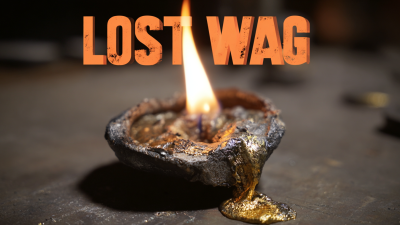
Investment casting, also known as lost-wax casting, is a precision manufacturing process used to create complex metal parts with high accuracy. This technique begins with a wax model of the desired part, which is then coated in a ceramic shell. Once the shell hardens, the wax is melted away, creating a mold for the molten metal. This process allows for intricate designs and exceptional surface finishes, making it popular in industries such as aerospace, automotive, and medical.
In addition to its precision, investment casting offers various material options, including steel, aluminum, and titanium, catering to different performance requirements. Furthermore, investment casting is well-suited for both low and high-volume production runs, making it a versatile choice for manufacturers. As companies seek to optimize their production methods and improve product performance, understanding the applications and benefits of investment casting becomes crucial in choosing the right foundry to meet specific needs. Whether for components that require lightweight characteristics or those needing corrosion resistance, investment casting can deliver tailored solutions to a wide array of industrial challenges.
Key Factors to Consider When Choosing a Foundry
Choosing the right investment casting foundry is critical for the success of your project. When assessing potential foundries, consider their experience and expertise in your specific industry. A foundry that specializes in your materials and manufacturing processes can significantly impact the quality and efficiency of production. Additionally, look into their certifications and quality assurance practices, which ensure that the foundry adheres to industry standards and can deliver precision parts consistently.
Tips: Speaking directly to previous clients can provide valuable insights into a foundry’s performance, reliability, and customer service. Ask about their turnaround times and how they handle any issues that might arise during production.
Another essential factor is the foundry's technological capabilities. Advanced equipment and innovative techniques can enhance production quality and reduce lead times. Be sure to inquire about their casting methods, finishes, and post-casting processes. These factors will help determine if the foundry can meet your specific design and performance requirements.
Tips: Evaluate the foundry's communication practices during the initial discussions. Effective communication can save time and ensure that your project requirements are clearly understood and executed.
Evaluating the Capabilities and Technologies of a Foundry
When selecting an investment casting foundry, evaluating the capabilities and technologies they employ is crucial to ensuring that your specific needs are met effectively. Start by examining the foundry's experience in handling various materials, as different alloys and metals require distinct processing techniques. A foundry with expertise in working with a broad range of materials will provide greater versatility and more options for your projects. Additionally, inquire about their production capacities, including the size and complexity of the components they can manufacture, as well as their ability to scale production to meet your volume requirements.
Technological advancements play a significant role in the efficiency and quality of investment casting processes. Assess the foundry's investment in modern equipment, such as 3D printing and computer-aided design (CAD) software, which can enhance precision and reduce lead times. Moreover, an understanding of their quality control measures is essential; look for foundries that implement rigorous inspection protocols and certifications that align with industry standards. This comprehensive evaluation of capabilities and technologies will ensure that you choose a foundry that not only meets your immediate project needs but also supports long-term collaboration and innovation.
Assessing Quality Standards and Certifications in Investment Casting
When selecting an investment casting foundry, one of the most crucial aspects to consider is their quality standards and certifications.
The Investment Casting Institute emphasizes that adherence to specific industry standards, such as
ASTM and ISO certifications, can significantly impact the quality and reliability of cast parts.
Reports indicate that foundries meeting these standards not only enhance product integrity but also reduce the likelihood of defects, ultimately saving costs in the long run.
A study by the American Foundry Society states that facilities adhering to best practices can reduce production failures by up to 30%.
Before making a decision, it's essential to assess the foundry's quality control measures. Invest in a foundry that routinely engages in third-party audits and participates in continuous improvement programs.
Additionally, relevant certifications like AS9100 for aerospace parts or IATF 16949 for automotive applications are indicative of a commitment to maintaining the highest quality standards.
Such accreditations ensure that the foundry is equipped to meet demanding engineering requirements while maintaining stringent process controls.
Tips: Always ask for documentation of the foundry's certifications and quality control processes. This will not only give you insight into their operations but also reassure you of their commitment to high-quality output.
Moreover, consider asking for client testimonials or case studies that reflect the foundry’s performance in delivering quality parts consistently.
Analyzing Cost Considerations and Value for Your Investment
When selecting an investment casting foundry, understanding cost considerations and the value provided is crucial to making an informed decision. According to a report by the Investment Casting Institute, the average production cost for investment cast components can range between $5 to $30 per pound, largely influenced by factors such as material selection, complexity of the design, and production volume. Buyers should analyze their specific requirements, including the need for customizations or rapid prototyping, as these elements can significantly impact overall costs.
Additionally, it's essential to evaluate the total value offered by a foundry beyond the initial pricing. A 2022 study highlighted that quality control processes and the foundry's certifications can enhance the reliability of cast products, ultimately leading to lower long-term costs associated with rework and scrap rates. Foundries that invest in advanced technologies, such as 3D printing and automated inspection systems, not only improve the casting quality but also provide better lead times and reduced wastage. This investment in technology aligns with industry trends where businesses reported a 15% decrease in defect rates when utilizing modern casting methods, underscoring the importance of considering long-term value over short-term cost savings.


 +86 180 0293 5268
 CONTACT Shixin
 CONTACT Shixin
 CONTACT Shixin