2026 Top Trends in Precision Investment Casting Technology?
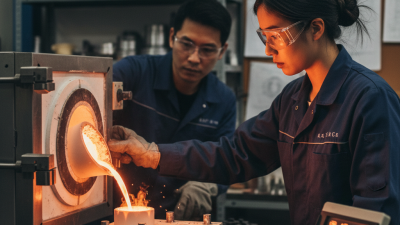
In 2026, the landscape of Precision Investment Casting is set to evolve significantly. This technology plays a vital role in manufacturing high-quality components across various industries. Innovations in materials and processes promise enhanced efficiency and precision. However, challenges persist in adapting to new techniques while maintaining traditional craftsmanship.
Adoption of AI and smart technologies will push boundaries. For instance, integrating AI in sourcing suppliers could streamline operations. Yet, some manufacturers may struggle to adapt. The blend of advanced techniques with established practices raises questions about skill retention. Balancing innovation and expertise will be a crucial conversation.
As the industry moves forward, the demand for quality and sustainability grows louder. Precision Investment Casting must not only meet client satisfaction but also enhance environmental responsibility. So while progress is commendable, there remains a need for critical reflection on the industry's future path.
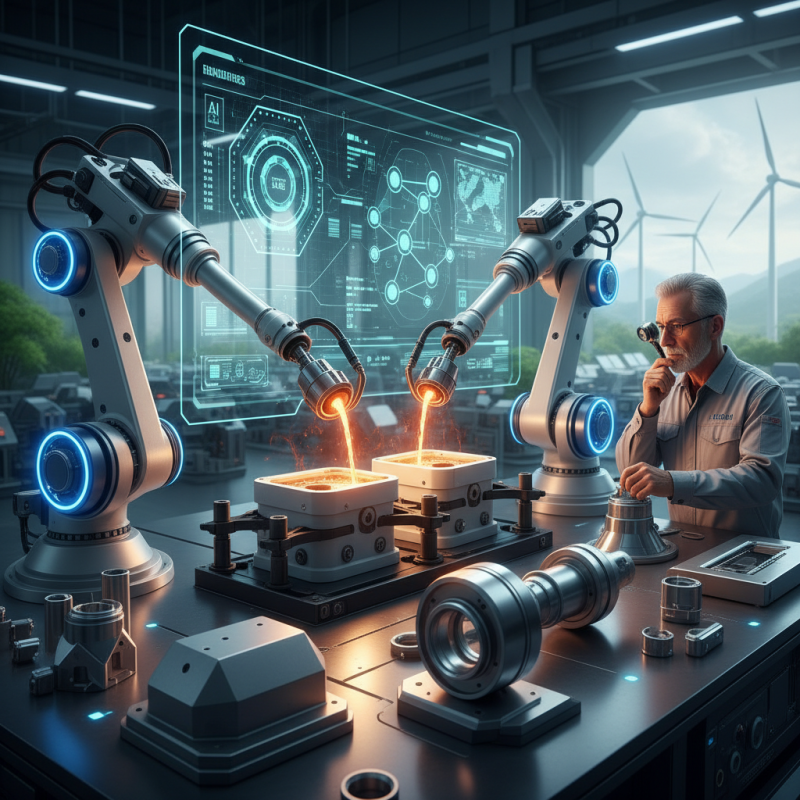
Advancements in Alloy Development for Precision Investment Casting
The realm of precision investment casting is evolving rapidly, particularly in alloy development. New technologies are enabling the production of more complex and intricate designs. This flexibility allows manufacturers to meet specific performance standards that traditional casting methods can't achieve.
A key area of advancement is in the development of high-performance alloys. These materials can withstand extreme temperatures and corrosion, making them ideal for aerospace and automotive applications. The quest for lighter and stronger materials is driving this innovation. For example, aluminum and titanium alloys are gaining traction due to their strength-to-weight ratios.
When exploring alloy options, consider the environment of the final product. Understanding thermal and mechanical stress can guide better material choices.
Tips: Always test new alloys under real-world conditions. Be prepared for unexpected challenges. Continuous feedback is crucial for improvement. Regularly review your findings and adjust your processes accordingly.
2026 Top Trends in Precision Investment Casting Technology
| Trend |
Description |
Benefits |
Material Type |
| Advanced Alloy Compositions |
Development of new metal alloys to improve strength and reduce weight. |
Increased performance and fuel efficiency in aerospace applications. |
Titanium Alloys |
| 3D Printing Integration |
Use of 3D printed patterns for more complex geometries. |
Complex designs without increased cost or time. |
Various Metals |
| Environmentally Friendly Materials |
Development of eco-friendly alloys and processes. |
Reduced carbon footprint and compliance with regulations. |
Recycled Alloys |
| High-Temperature Alloys |
Alloys designed to withstand extreme temperatures. |
Enhanced durability in automotive and aerospace applications. |
Nickel-Based Alloys |
| Smart Manufacturing |
Incorporation of AI and IoT in casting processes. |
Improved efficiency and quality control. |
Various Metals |
The Role of 3D Printing in Enhancing Investment Casting Processes
3D printing is transforming investment casting technology. By creating precise patterns, it allows for complex designs that were once unattainable. Traditional casting often limits creativity. With 3D printing, designers can explore intricate geometries and lightweight structures. This leads to reduced material waste and a more sustainable approach.
However, challenges remain. Not all 3D printed materials are suitable for casting. Some might not withstand the heat or pressure. There is also the need for post-processing to ensure surface quality. These factors can complicate production timelines and costs.
Collaboration between engineers and designers is crucial. Frequent iterations help refine the process. Continuous feedback can lead to significant improvements. The integration of 3D printing with investment casting holds great promise. Yet, ongoing research is vital to overcome existing barriers. This is an evolving field, and staying adaptable is key.
2026 Top Trends in Precision Investment Casting Technology
This chart illustrates the projected percentage of adoption for various trends in precision investment casting technology by the year 2026, highlighting the significant role of 3D printing integration as a leading trend.
Impact of Automation and Robotics on Precision Casting Efficiency
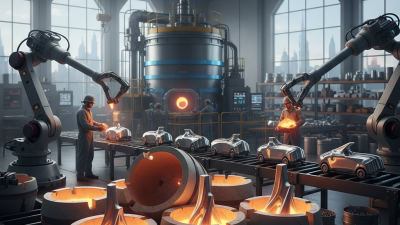
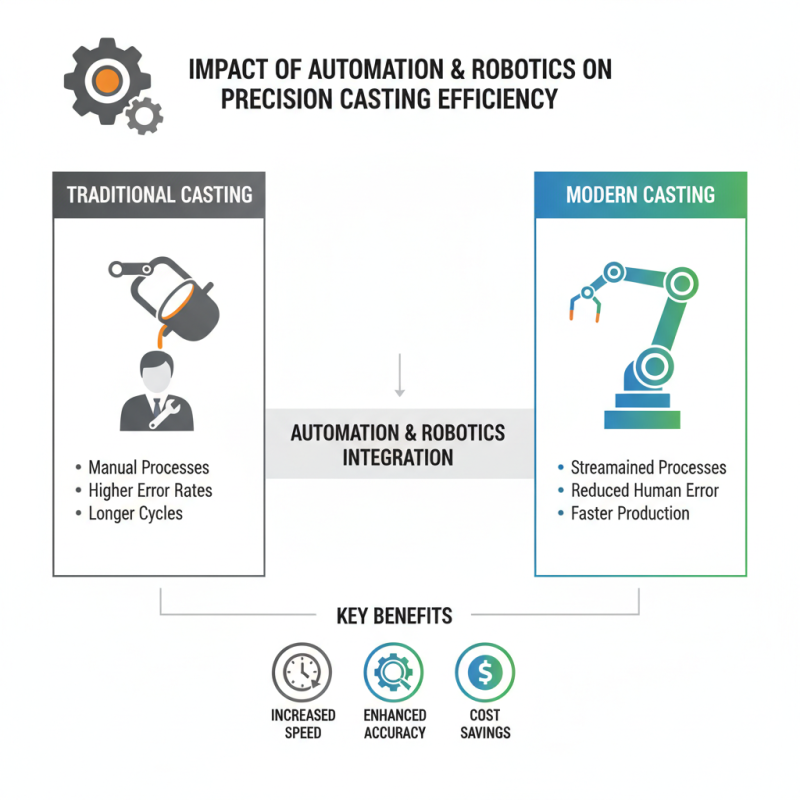
Automation and robotics are reshaping precision investment casting. These technologies streamline processes and enhance efficiency. With the rise of smart machines, manufacturers can achieve faster production cycles. Reduced human intervention cuts down error rates and time delays.
Robots are capable of repetitive tasks without fatigue. They perform intricate movements with consistent precision. This reliability leads to higher product quality, reducing waste in materials. Yet, the transition to automated systems poses challenges. Not all facilities are equipped for new technologies. Training personnel is essential yet can be time-consuming.
Precision casting requires a balance between technology and human oversight. While automation improves efficiency, the human touch remains vital in quality control. Over-automation may lead to complacency, where operators rely solely on machines. Constant evaluation and adaptation are necessary to ensure the longevity of both machines and craftsmanship.
Sustainability Trends in Material Usage for Investment Casting Industries
The investment casting industry is leaning towards sustainability. Emerging trends highlight the importance of using recyclable materials. By incorporating recycled metals, manufacturers can reduce waste significantly. This shift not only benefits the environment but also cuts down on raw material costs.
Some companies still rely on traditional casting materials. These methods can contribute to environmental degradation. Transitioning to greener alternatives is essential. For instance, biodegradable binders are gaining traction. They replace harmful substances, enabling cleaner production processes. However, adapting to these changes can be slow for many.
Innovation in materials is crucial for sustainable practices. New alloys can enhance durability while being eco-friendly. Yet, the industry faces challenges in sourcing these materials. Some companies struggle to balance costs with sustainability. The journey towards fully embracing eco-friendly concepts is ongoing.
Emerging Markets and Global Demand for Precision Investment Cast Components
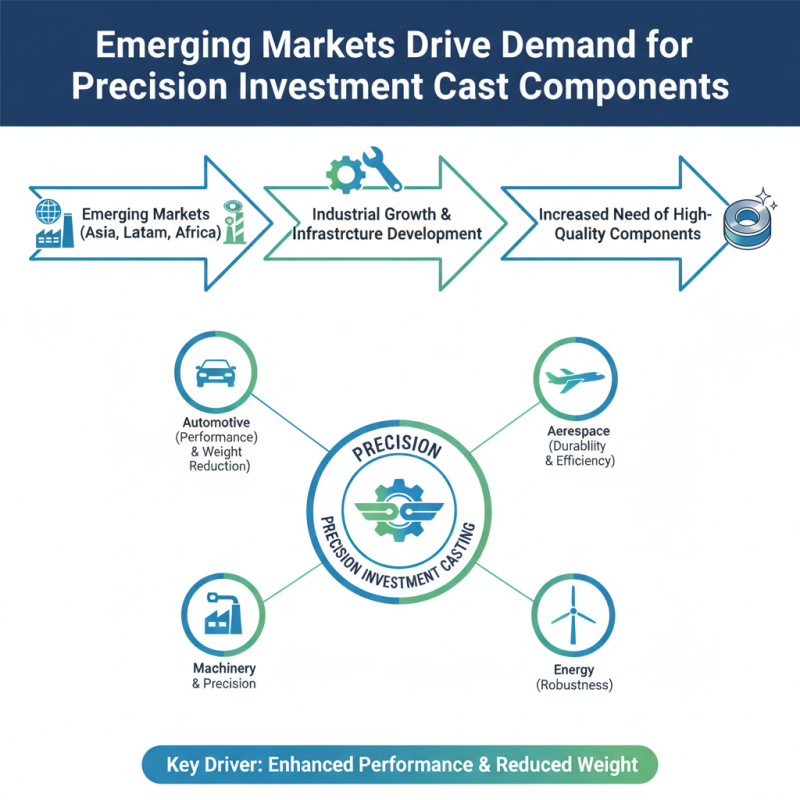
Emerging markets are fueling global demand for precision investment casting components. Countries in Asia, Latin America, and Africa are witnessing industrial growth. This growth increases the need for high-quality, durable components. Industries such as automotive, aerospace, and machinery are major drivers. These sectors require precision parts to enhance performance and reduce weight.
Investors should consider these emerging markets for opportunities. Understanding local regulations and cultural nuances is crucial. Also, forming strategic partnerships with local manufacturers can enhance supply chains. However, monitoring quality control will be essential in ensuring product standards. It is challenging to maintain consistency across different production sites.
Tips for investment casting success include focusing on innovation. Investing in advanced technologies like 3D printing can streamline processes. Regular training for employees will improve skills and adapt to new techniques. Remember, staying ahead in technology may require a shift in traditional practices. This industry is evolving rapidly, so flexibility is key.



 +86 180 0293 5268
 CONTACT Shixin
 CONTACT Shixin
 CONTACT Shixin