Aerospace Machining Tips for Global Buyers Success
In the competitive realm of aerospace, precision and efficiency are paramount. Aerospace machining plays a crucial role in crafting parts that must withstand extreme conditions. Success in this industry requires more than just machinery; it demands a strategic approach from global buyers. Knowledge of sourcing, quality assurance, and supplier relations is essential.
Navigating the complexities of aerospace machining can be challenging. Often, buyers encounter unexpected hurdles such as fluctuating prices and quality inconsistencies. It's vital to have clear communication with suppliers and establish stringent quality metrics. Buyers must be proactive and adapt to changing market dynamics. Even seasoned professionals can find themselves questioning their strategies.
Ultimately, the goal is to foster reliable partnerships that enhance operational efficiency. Continuous learning and reflection on past decisions can lead to improved purchasing strategies. Embracing both the strengths and shortcomings of the aerospace machining process can pave the way for long-term success in an ever-evolving market.

Aerospace Machining: Understanding the Global Market Dynamics
The aerospace machining industry faces unique global market dynamics. According to a recent report by MarketsandMarkets, the aerospace machining market is projected to grow at a CAGR of 5.2% from 2021 to 2026. This growth is driven by increasing demand for lightweight materials and advanced machining technologies. Understanding these trends is crucial for global buyers.
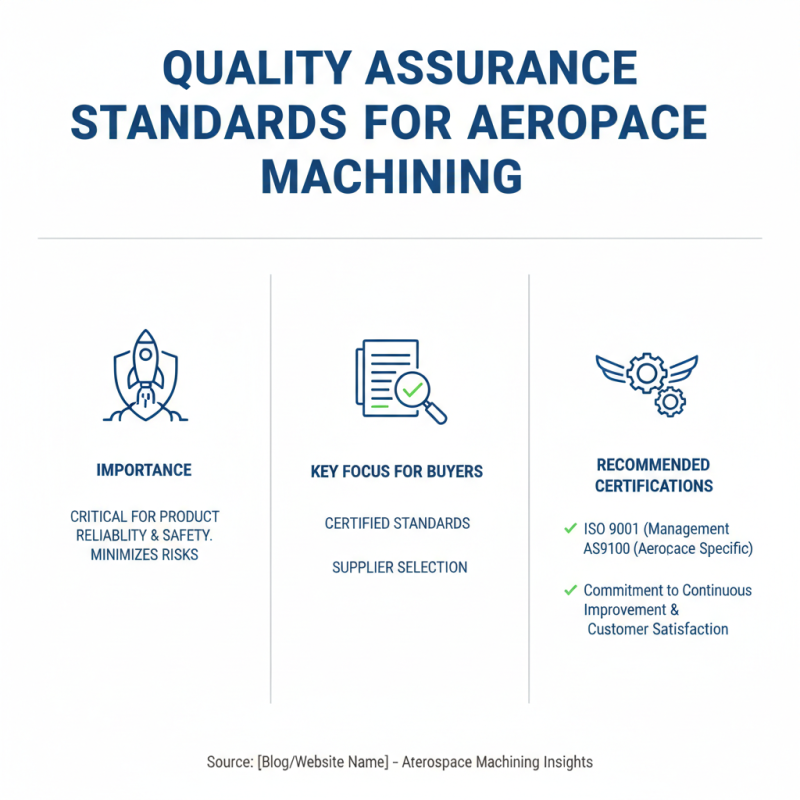
Investing in modern machining technologies is essential. Buyers should consider adopting CNC machines. These machines enhance precision and efficiency in manufacturing. Additionally, look at suppliers who prioritize quality certifications. Reports indicate that 75% of aerospace companies expect suppliers to meet stringent quality standards. This fact emphasizes the importance of partnering with reliable sources that demonstrate commitment to quality.
Navigating the complexities of global supply chains presents challenges. Fluctuations in material costs and geopolitical factors can affect pricing and availability. Buyers must stay informed about market trends and adjust their strategies accordingly. One key tip is to build strong relationships with multiple suppliers. This reduces risk and ensures stability in procurement. Remember, maintaining flexibility and adaptability is vital in today’s fast-paced market.
Aerospace Machining Industry Overview
Identifying Key Suppliers in Aerospace Machining Industry
In the aerospace machining industry, identifying key suppliers is essential for global buyers. Understanding the specific needs of this sector helps in selecting the right partners. Key criteria include precision, reliability, and technological capability. Buyers should prioritize suppliers who can demonstrate experience in aerospace standards.
Many suppliers claim excellence but lack solid certifications. Investigate their past projects and client reviews. A strong reputation is often built on successful deliveries and quality assurance. Look for suppliers involved in industry certifications and compliance with safety regulations. This can significantly reduce risks in the supply chain.
Networking within industry events offers another layer of potential insights. Personal connections can lead to valuable information about trustworthy suppliers. Test suppliers through smaller projects first. This step allows buyers to evaluate their performance. A hands-on approach helps in discerning reliability in machining capabilities. Reflecting on these experiences can guide better decisions for future partnerships.
Essential Machining Techniques for Aerospace Components
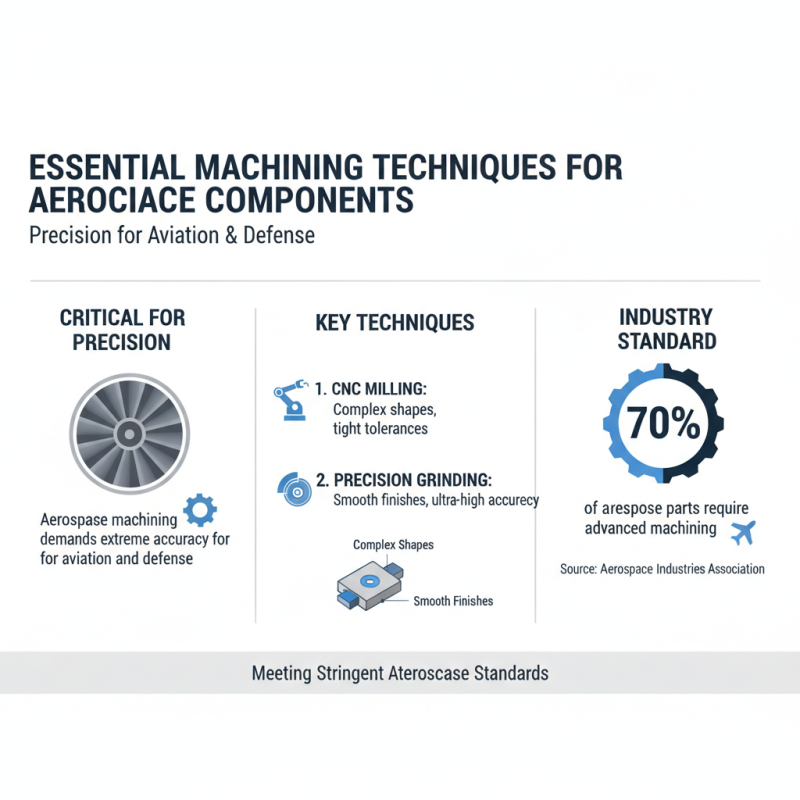
Aerospace machining is critical for the precision required in aviation and defense industries. Machining techniques like CNC milling and precision grinding are essential for component accuracy. According to the Aerospace Industries Association, 70% of aerospace parts require advanced machining processes to meet stringent standards.
Different alloys, such as titanium and Inconel, require specialized techniques. These materials are challenging to machine due to their hardness. A study published by the International Journal of Aerospace Technologies highlights that using appropriate cutting tools can enhance efficiency by up to 40%. This detail underscores the importance of selecting the correct tooling and machining strategy.
However, not all machining operations are optimized. Many manufacturers still face challenges in waste reduction and process consistency. Continuous monitoring and the use of advanced software can lead to greater reliability in aerospace machining. Industry experts suggest that investing in training for operators is crucial, as skilled labor significantly impacts production quality and safety.
Strategic Sourcing Tips for Buyers in Aerospace Manufacturing
Navigating the aerospace manufacturing sector requires keen insight and strategic sourcing capabilities. Buyers must comprehend the intricate dynamics of the global market. Identifying reliable suppliers is a critical first step. Establishing strong relationships can lead to better pricing and consistent quality in machined parts.
Working with suppliers requires clear communication. Buyers should set precise specifications and timelines. Misunderstandings can lead to costly delays. When evaluating suppliers, focus not only on price but also on their reputation. A supplier's track record in quality control and delivery timelines is often more telling than cost alone. Be diligent in assessing their certifications and industry standards compliance.
Buyers also need to be prepared for fluctuations in demand. The aerospace sector can be unpredictable. Having flexibility in sourcing strategies is essential. Consider diversifying your supplier base to avoid disruptions. A mixed sourcing strategy may provide a safety net during volatile times. The aerospace industry is a complex battlefield where informed decisions can lead to success.
Aerospace Machining Tips for Global Buyers Success - Strategic Sourcing Tips for Buyers in Aerospace Manufacturing
| Tip |
Description |
Importance |
Actionable Steps |
| Understand Material Specifications |
Familiarize with the specific materials used in aerospace machining to ensure compliance and quality. |
High |
Review material data sheets and engage with suppliers for clarity. |
| Supplier Assessment |
Evaluate potential suppliers based on their capabilities and certifications. |
Critical |
Utilize a checklist for supplier evaluation, including audits and quality assurance processes. |
| Cost Management |
Monitor and control costs throughout the sourcing process to stay within budget. |
High |
Conduct market research to gauge fair pricing and negotiate effectively. |
| Utilize Advanced Technologies |
Leverage the latest machining technologies for efficiency and precision. |
Medium |
Invest in training for staff on new technologies and consider equipment upgrades. |
| Quality Control Measures |
Implement stringent quality control protocols to meet aerospace standards. |
Essential |
Develop and enforce a comprehensive quality management system. |



 +86 180 0293 5268
 CONTACT Shixin
 CONTACT Shixin

 CONTACT Shixin