Top 10 Benefits of Cnc Machined Parts for Modern Manufacturing?
In today's rapidly evolving manufacturing landscape, CNC machined parts are revolutionizing production processes. As expert Jane Doe, a leading figure in precision engineering, states, “CNC machined parts enhance efficiency while ensuring high quality.” This speaks volumes about their crucial role in modern manufacturing.
CNC machined parts offer numerous advantages. Firstly, they allow for intricate designs that were once difficult to achieve. Manufacturers can now create complex geometries with precision and repeatability. Additionally, the automation involved reduces human error significantly. Yet, despite these benefits, challenges persist. Not all manufacturers adapt to CNC technology seamlessly, leading to disparities in production quality.
Moreover, the integration of CNC machined parts in manufacturing can be daunting. Training staff and updating equipment require time and investment. The initial costs might discourage some. However, the long-term benefits—like increased productivity and lower waste rates—often outweigh these hurdles. Embracing CNC technology is a step toward optimizing operations, but it demands commitment and continual improvement.
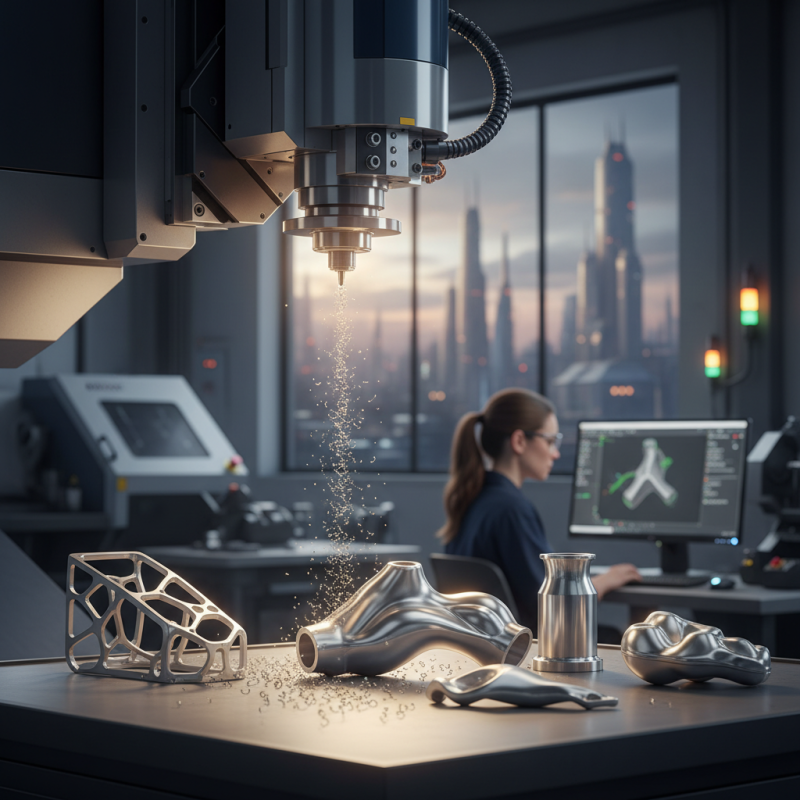
CNC Machining: Revolutionizing Precision in Manufacturing
CNC machining has transformed manufacturing. It enables high precision, which is crucial for modern production needs. According to a recent industry report, CNC machined parts can achieve tolerances as tight as ±0.001 inches. This level of accuracy is vital for industries such as aerospace and medical devices. With increased competition, companies must rely on precision to ensure product reliability.
The technology is not limited to large-scale operations. Even small manufacturers benefit. They can produce intricate designs with less waste. A study indicated that using CNC machining can reduce material waste by as much as 30%. This efficiency also allows for quicker turnaround times, an essential factor in today’s fast-paced market.
However, CNC machining is not without challenges. The initial setup costs can be high. Smaller companies may struggle with investment in advanced technology. Additionally, programming and maintenance require skilled workers, which can be a barrier. The constant evaluation of machining processes is necessary for continual improvement. Despite its high precision, the technology still requires thoughtful implementation to fully leverage its advantages.
Enhanced Efficiency Through Automation in CNC Machining
CNC machining has transformed modern manufacturing through enhanced efficiency. Automation plays a crucial role in this transformation. With CNC machines, the production process reduces human error. They create precise parts consistently, saving time and resources. This translates into faster turnaround times for projects, allowing companies to meet market demands more effectively.
However, automation brings challenges. Not all operators are trained to manage these complex machines. Some may struggle with troubleshooting when issues arise. This can lead to production delays, which reduce the overall efficiency gains. While machines work tirelessly, human insight remains vital. It is essential to balance automation with skilled oversight to achieve optimal results.
Incorporating automated CNC processes can streamline operations significantly. Yet, manufacturers must remain vigilant. Relying solely on technology can lead to complacency. Teams need continuous training and development to keep pace with evolving technologies. This combination of automated efficiency and human creativity can drive innovation while addressing potential pitfalls.
Cost-Effectiveness of CNC Machined Parts in Production
CNC machined parts are increasingly recognized for their cost-effectiveness in modern manufacturing. Industry reports show that companies can save up to 30% on production costs by utilizing these parts. This efficiency stems from reduced waste during manufacturing. CNC technology optimizes material usage, which minimizes excess scrap.
Moreover, CNC machining allows for faster production times. Parts can be produced with high precision in a matter of hours. A study by a manufacturing research firm indicated that lead times are reduced by up to 50% when using CNC machines. This rapid turnaround can directly impact overall project budgets and timelines. However, one challenge remains. Initial setup costs for CNC machines can be significant. This barrier makes it less accessible for small manufacturers.
Another important aspect is maintenance. While CNC machines are reliable, they require regular upkeep. Companies must factor in these costs when considering their implementation. Additionally, skilled operators are essential. A shortage of trained personnel can affect operational efficiency. Despite these challenges, CNC machined parts still present significant advantages for cost-effective production.
Top 10 Benefits of CNC Machined Parts for Modern Manufacturing
| Benefit |
Description |
Cost-Effectiveness |
| Precision |
CNC machining offers high precision, enhancing the quality of parts. |
Reduces waste and minimizes the need for rework. |
| Flexibility |
Ability to produce complex shapes and designs easily. |
Allows for diverse product lines without costly new tools. |
| Speed |
Rapid production times significantly cut lead times. |
Increases throughput and reduces labor costs. |
| Consistency |
CNC machines produce consistent parts over time. |
Ensures high quality and reliability across batches. |
| Material Variety |
Compatible with a wide range of materials. |
Flexibility in material selection impacts production costs positively. |
| Less Manual Labor |
Automation reduces the need for manual intervention. |
Decreases labor costs and human error. |
| Scalability |
Easily scale production up or down as needed. |
Cost-effective for both small and large runs. |
| Reduced Time to Market |
Faster prototyping leads to quicker market entry. |
Competitive advantage through speed enhances profitability. |
| Long-term Cost Savings |
Lower operational costs contribute to savings. |
Reduction in material waste leads to long-term efficiencies. |
| Innovation |
Encourages experimentation with new designs and materials. |
Increases market opportunities and can lead to new revenue streams. |
Design Flexibility and Customization Options in CNC Processes
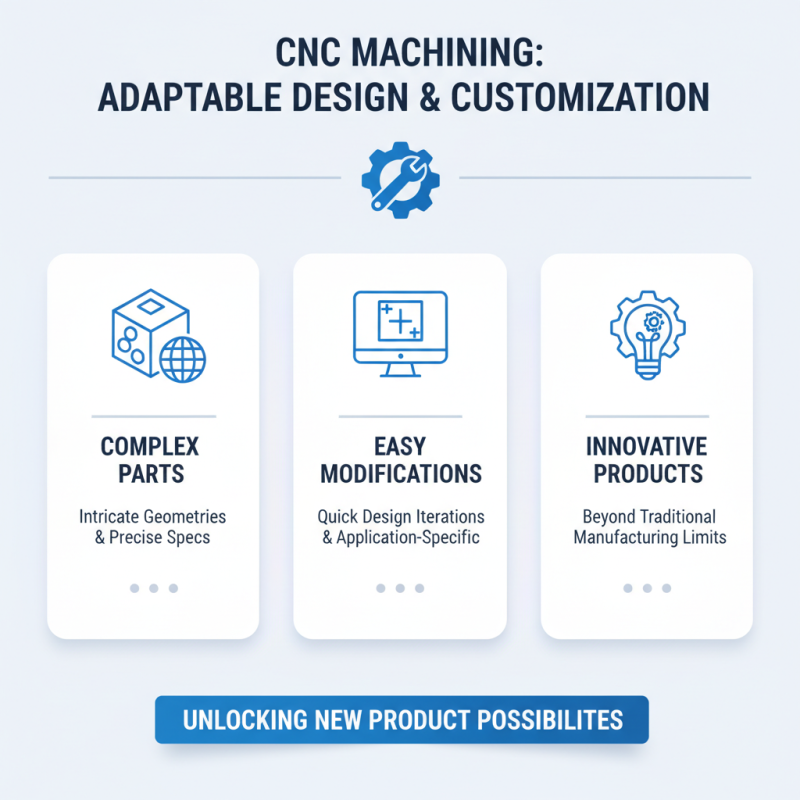
CNC machining offers significant design flexibility and customization options. This technology allows manufacturers to create complex parts with precise specifications. Designers can easily modify the geometry of parts to fit specific applications. This adaptability can lead to innovative product designs that wouldn’t be feasible with traditional manufacturing methods.
Customization is a hallmark of CNC processes. Manufacturers can quickly adjust parameters like size, shape, and material without extensive retooling. This efficiency can lead to faster production times. However, there can be challenges. Communicating design changes can sometimes result in misunderstandings. Misalignment between the designer's vision and the machinist's execution is a risk that warrants attention.
Moreover, while CNC machining allows for production of intricate designs, it may not always be cost-effective. The initial setup can be expensive. Small production runs may not justify the investment in CNC equipment. Balancing cost and creativity is an important reflection point for designers and manufacturers. They must consider the practical implications of their elaborate visions against economic realities.
Improved Quality Control and Consistency in CNC Machining
CNC machining has transformed the manufacturing landscape. Improved quality control is a key advantage. In a recent industry study, 80% of manufacturers reported significant gains in product consistency when using CNC processes. This technology minimizes human error and enhances precision.
CNC machines operate within tight tolerances, often achieving accuracy levels of ±0.01 mm. Such precision leads to parts that fit seamlessly into assemblies. However, reliance on automation can also be a double-edged sword. If maintained poorly, machinery can yield defects that affect large batches. Regular calibration and monitoring are essential to mitigate this risk.
Consistency is not just about accuracy. It also involves repeatability. A survey found that manufacturers experienced up to 90% less variation in product quality. Yet, achieving this consistency requires robust programming and testing protocols. Companies must invest in staff training and machine upkeep. Disregarding these aspects can lead to inconsistencies that undermine the benefits of CNC machining.
Top 10 Benefits of CNC Machined Parts for Modern Manufacturing



 +86 180 0293 5268
 CONTACT Shixin
 CONTACT Shixin
 CONTACT Shixin