Leave Your Message

What are the Benefits of Steel Casting Parts for Industries?

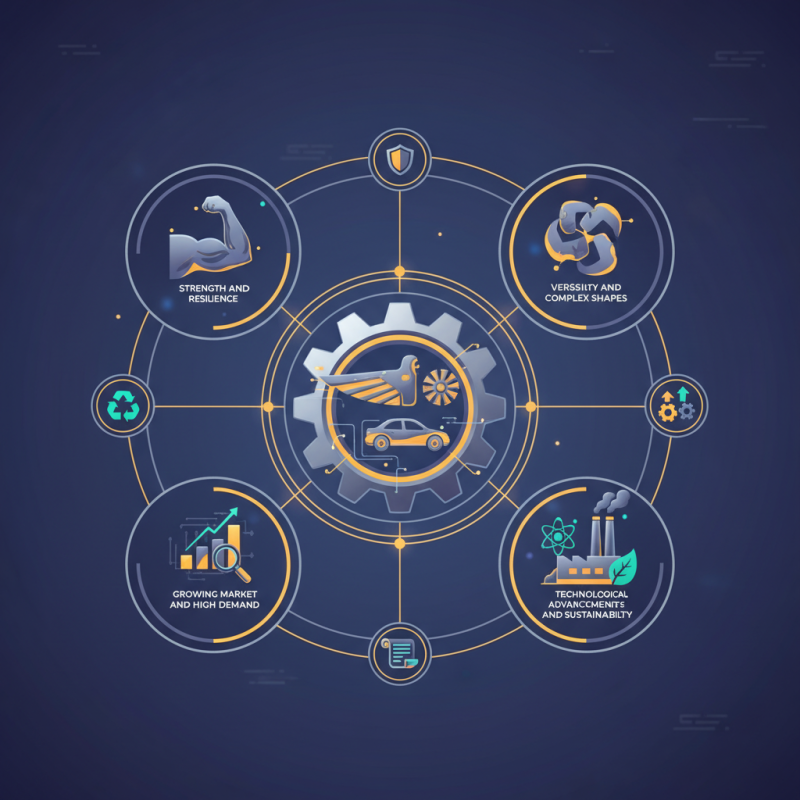
Steel Casting Parts play a crucial role in various industries. The global steel casting market was valued at over $20 billion in 2022. This figure is expected to grow due to the increasing demand for durable materials. Industries such as automotive and aerospace rely on steel castings for their strength and resilience. According to John Smith, a leading expert in steel manufacturing, "Steel Casting Parts are essential for building robust and long-lasting products."

The versatility of Steel Casting Parts is another advantage. They can be used in complex shapes and sizes, enhancing design possibilities. Reports indicate that 75% of manufacturers prefer steel castings for critical components. This reflects confidence in their quality and performance. However, there are challenges. Some casting processes lead to defects that may impact functionality. Continuous improvement is necessary to overcome these hurdles.

Technological advancements are revolutionizing how Steel Casting Parts are produced. Innovations in production methods will likely increase efficiency. Still, sustainability remains a concern. The industry must address the environmental impact of steel casting. Overall, the future looks promising, but careful attention is required to maintain standards and practices.
What are the Benefits of Steel Casting Parts for Industries?

Benefits of Steel Casting in Manufacturing High-Strength Parts

What are the Benefits of Steel Casting Parts for Industries?

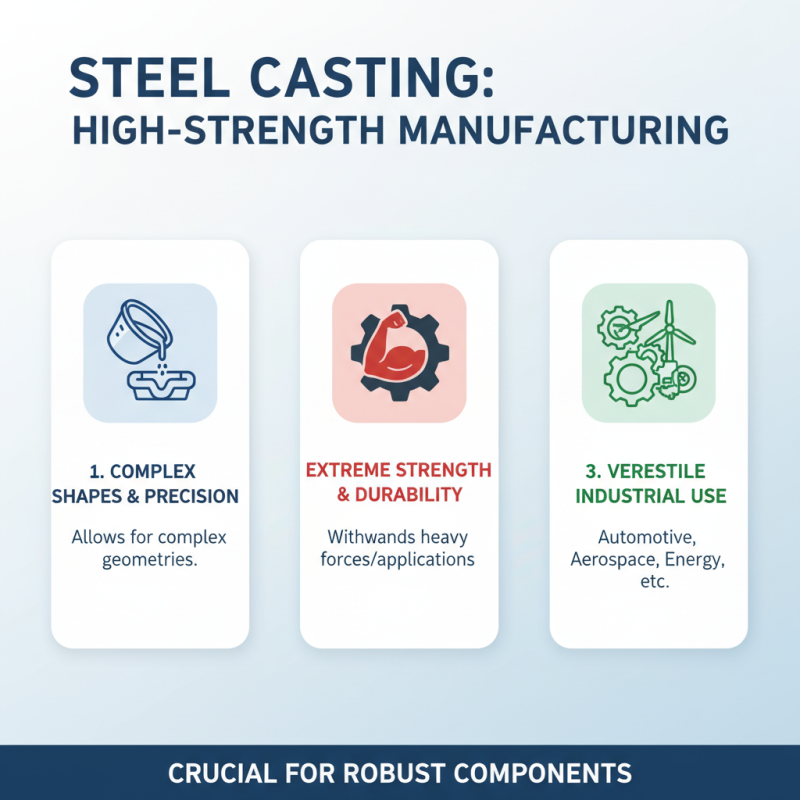
Steel casting plays a crucial role in manufacturing high-strength parts across various industries. This process allows for the production of complex shapes that require high precision. Steel castings can withstand extreme forces, making them ideal for heavy-duty applications.

The durability of steel casting greatly enhances the lifespan of components. This means less frequent replacements and lower overall costs. However, achieving the desired quality can be challenging. Some castings may contain defects, which can compromise strength. Continuous improvement is essential in monitoring and refining production techniques.

Additionally, steel casting supports the manufacturing of lightweight parts without sacrificing strength. By design, these parts contribute to energy efficiency in industrial equipment. Yet, it's important to address the environmental impact of steel production. Sustainable practices must be implemented to ensure a balance between efficiency and ecological responsibility.
Cost-Effectiveness of Steel Casting Compared to Alternative Materials

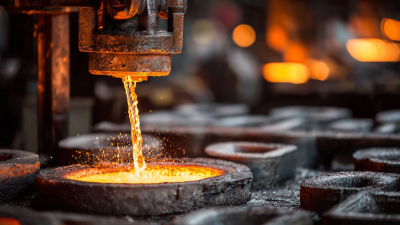
Steel casting offers significant cost advantages over alternative materials. The efficiency of steel casting allows for complex shapes to be produced with reduced waste. Many industries appreciate these savings. Manufacturing parts through steel casting often results in lower labor costs, too.

While the initial investment in steel molds can be high, the long-term benefits often surpass this concern. Steel parts are durable, leading to fewer replacements. This longevity is a crucial factor for manufacturing budgets. Industries frequently find that they save money over time.

Some caution is necessary, though. Not all projects benefit equally from steel casting. Factors like design complexity and volume play a role. Sometimes, alternative materials might be a better fit for specific applications. It's wise to evaluate all options before making a decision.

Improved Tolerance and Precision in Steel Casting Processes

What are the Benefits of Steel Casting Parts for Industries?

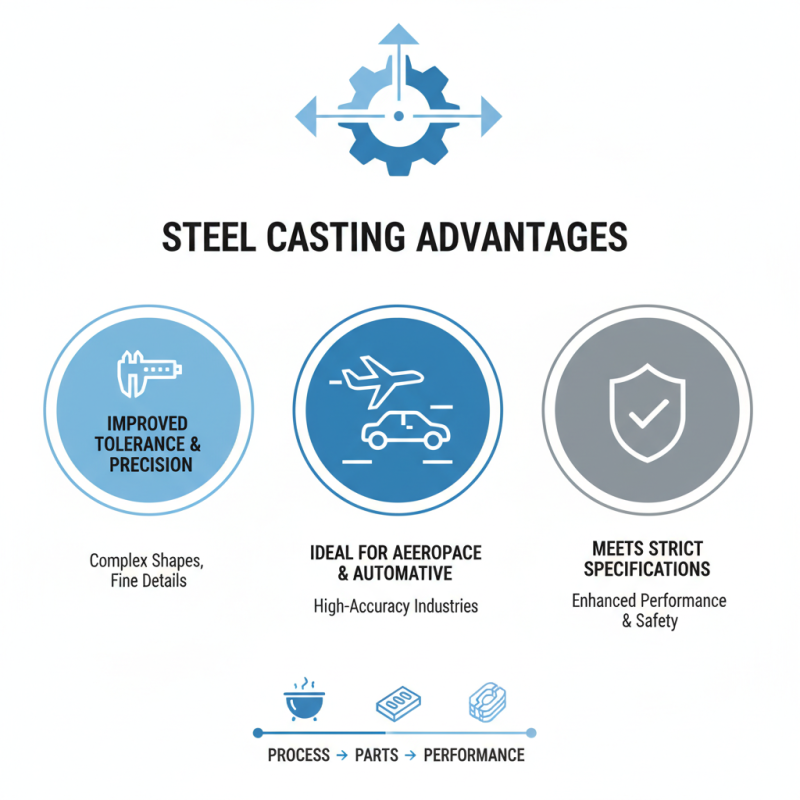
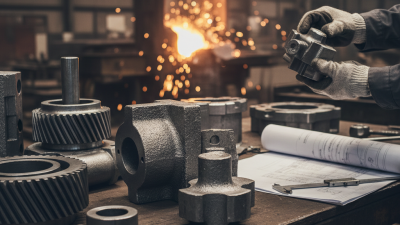
Steel casting processes are known for their improved tolerance and precision. The methods used can create complex shapes with fine details. This capability caters to industries requiring high accuracy, like aerospace and automotive. Parts produced can meet strict specifications, enhancing performance and safety in operations.

Precision in steel casting allows manufacturers to reduce waste. Each part is made to fit well with its intended assembly. However, achieving this level of accuracy demands rigorous quality control. Mistakes can happen, and minor flaws might go unnoticed. Regular inspections are necessary to maintain standards, but this requires time and resources.

Moreover, the complexity of steel casting poses challenges. Molds can wear out or become imprecise over time. This can affect the end product. Industry players need to adapt by refining their processes continually. Investing in technology might be a solution, yet it requires careful planning and budget considerations. Balancing cost and quality remains a critical point for many manufacturers.

Enhanced Durability and Longevity of Steel Casting Components

Steel casting parts are known for their enhanced durability and longevity. These components can withstand extreme conditions. Industries rely on them for their strength. The solid structure offers resistance to wear and tear. This quality is vital in heavy machinery and automotive applications.

The process of steel casting contributes to improved performance. It creates a dense and uniform material. This minimizes weaknesses found in other manufacturing methods. When parts are subjected to stress, they show resilience. Long-lasting components reduce downtime and maintenance costs for businesses.

However, not all applications benefit equally from steel casting. Some parts may not need this level of strength. Evaluating the specific requirements is crucial. Companies must consider both advantages and limitations. This reflection can lead to better decisions regarding material choice. In the end, choosing the right component involves weighing durability against cost and functionality.

What are the Benefits of Steel Casting Parts for Industries? - Enhanced Durability and Longevity of Steel Casting Components

Benefit Description Industries Utilized Example Applications
Enhanced Durability Steel casting parts have high resistance to wear, erosion, and fatigue. Automotive, Construction, Marine Engine blocks, Gearboxes, Ship propellers
Cost-Effectiveness Reduction in material waste and durability reduces replacement costs. Manufacturing, Oil & Gas, Aerospace Pipes, Valves, Aircraft components
Complex Shapes Capability to produce intricate designs not possible with other methods. Heavy Machinery, Robotics, Defense Custom machine parts, Defense equipment
High Tolerance Ability to maintain strict tolerances in manufacturing processes. Electronics, Medical, Transportation Precision instruments, Surgical tools
Corrosion Resistance Special alloys can provide high resistance to corrosion. Chemical, Food Processing, Water Treatment Storage tanks, Pipes, Pumps

Eco-Friendly Aspects of Steel Casting and Recycling Opportunities

Steel casting is gaining popularity due to its eco-friendly aspects and recycling opportunities. According to industry reports, around 90% of steel products are recyclable. This statistic highlights how sustainable steel casting processes can significantly reduce waste.

Steel casting not only conserves resources but also lowers energy consumption. The recycling process uses 74% less energy than producing new steel from raw materials. This shift leads to less greenhouse gas emissions, which is vital in combating climate change. However, many industries still overlook these benefits. Education on the recycling value of steel can improve compliance and adoption.

**Tip**: Evaluate your current material use. Consider switching to steel casting for a greener approach. Focus on recycling initiatives. Embrace innovative methods to repurpose scrap metal.

Moreover, the steel casting industry must reflect on its challenges. Aging infrastructure can hamper effective recycling. Without investments in modern techniques, the eco-friendly potential remains untapped. Addressing these issues can lead to better practices and a stronger industry.