2026 Best Stainless Investment Casting Options for Global Buyers?
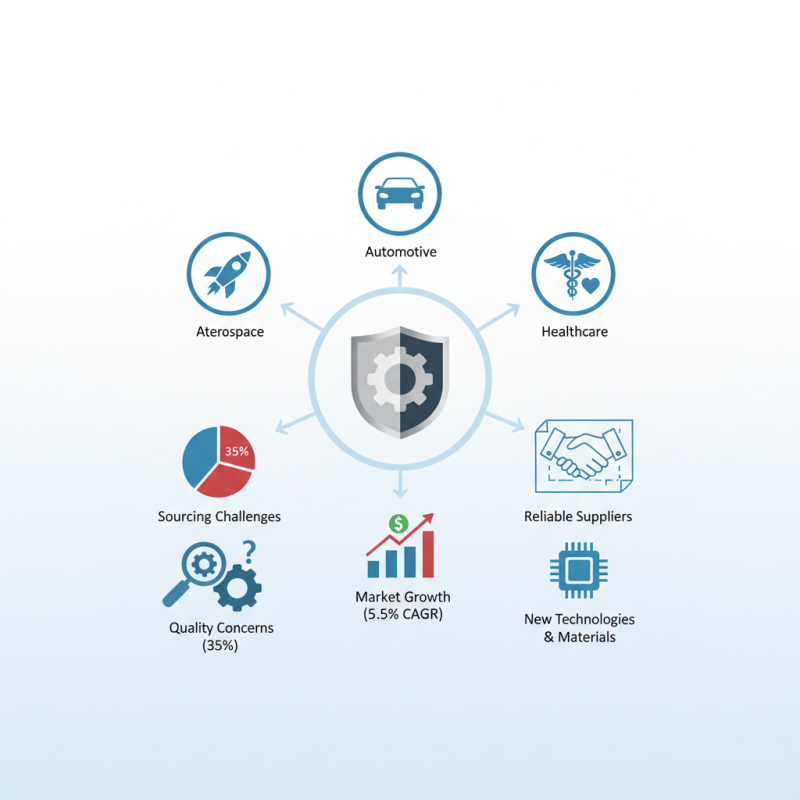
Stainless Investment Casting has emerged as a vital manufacturing technique for various industries. According to a report by Research and Markets, the global investment casting market is expected to grow at a CAGR of 5.5% from 2021 to 2027. This growth highlights the increasing demand for precision-engineered components made from stainless steel. Industries such as aerospace, automotive, and healthcare heavily rely on stainless investment casting for its durability and excellent corrosion resistance.
However, producing high-quality stainless investment castings requires expertise and stringent quality control measures. Many buyers face challenges in sourcing reliable suppliers globally. A recent survey by the American Foundry Society indicates that 35% of companies struggle with fluctuating quality standards from different suppliers. It's crucial for buyers to evaluate potential partners carefully. Selecting the right supplier can ensure the casting process meets specific requirements while optimizing costs.
The landscape of stainless investment casting is constantly evolving. New technologies and materials are introduced regularly. Yet, not all advancements are effective or applicable. Buyers must remain vigilant and informed about trends to make educated decisions. Understanding the challenges and opportunities in the stainless investment casting market is key for success in sourcing.
2026 Overview of Stainless Steel Investment Casting Market Trends
In 2026, the stainless steel investment casting market is expected to experience notable shifts. Industry analysts predict an increased demand for lightweight and corrosion-resistant components. These materials are essential in sectors such as automotive, aerospace, and energy. Buyers are seeking reliable suppliers that can provide high-quality castings with quick turnaround times. Customization is becoming a priority. Clients often want specific designs tailored to their needs.
As trends evolve, sustainability becomes a focal point in manufacturing processes. More companies are turning towards environmentally friendly methods. This transition presents challenges. Many traditional practices are deeply rooted. Implementing eco-friendly techniques requires time and investment. Yet, the effort could lead to significant long-term benefits.
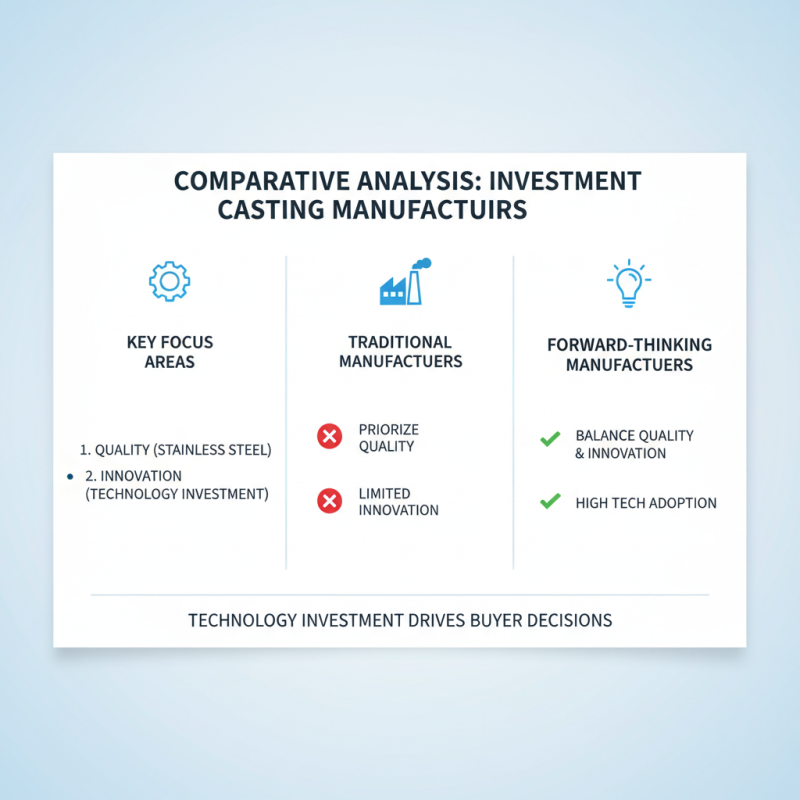
Moreover, competition is fierce. New entrants in the market bring innovation. Their fresh ideas can disrupt established practices. Buyers must stay informed about emerging technologies. Staying ahead is crucial. Understanding these trends can enhance decision-making, leading to better sourcing strategies in the stainless investment casting sector.
Key Factors Influencing Choices for Global Buyers of Investment Castings
When global buyers seek investment castings in stainless steel, several key factors come into play. First, material specifications matter significantly. Buyers must look for corrosion resistance, strength, and durability. These properties ensure the castings can withstand various environments and conditions over time.
One often overlooked aspect is supplier reliability. A trustworthy supplier contributes to better quality control and timely delivery. Establishing a solid relationship can lead to more favorable pricing and service. Don't hesitate to ask for references or case studies demonstrating past performance.
**Tips:** Research the supplier’s track record carefully. Check for customer reviews and industry certifications. Engage in conversations with providers to gauge their expertise and responsiveness.
Furthermore, the cost of investment castings cannot be ignored. While lower prices can be tempting, they might compromise quality. Consider the total cost of ownership, factoring in maintenance and life expectancy. Sometimes, a higher initial investment leads to better long-term savings.
**Tips:** Calculate potential long-term costs before making a decision. Balance cost with quality to find an option that offers true value. Trust in your instincts when something feels off.
Top Stainless Steel Alloys Used in Investment Casting for 2026
As global demand for stainless steel investment casting rises, understanding the best alloys is crucial. In 2026, a few alloys stand out due to their unique properties. The most popular type for casting is 316 stainless steel. It offers excellent corrosion resistance and is ideal for marine and chemical applications. Industry reports indicate that 316 accounts for about 30% of all stainless investment castings.
Another prominent alloy is 304 stainless steel. Known for its versatility, it is widely used in food processing and kitchen equipment. However, while 304 has good formability, it does not perform as well as 316 in harsher environments. Recent studies show that 304 makes up approximately 25% of the market but often requires additional coatings or treatments to enhance its durability.
Interesting developments also arise in the use of duplex stainless steel. This alloy combines austenitic and ferritic structures, enhancing strength and resistance. Yet, its higher complexity in casting may lead to imperfections. According to industry stats, duplex alloys represent around 15% of global investment castings but are often seen as less reliable due to these challenges. These factors are critical for buyers considering their options in the evolving market landscape.
Sustainability Practices in Stainless Steel Investment Casting Industry
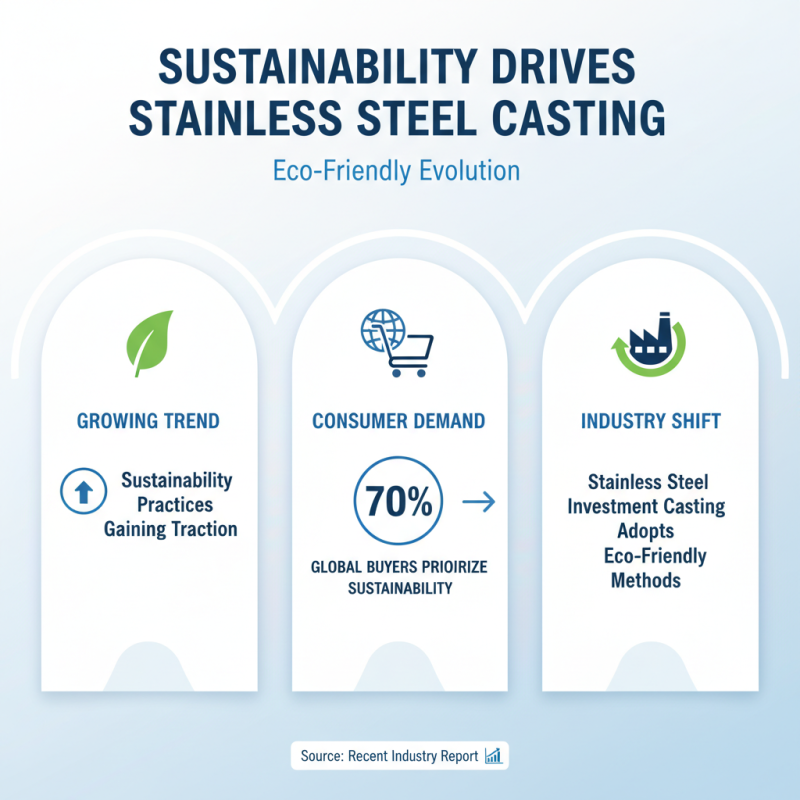
Sustainability practices are gaining traction in the stainless steel investment casting industry. This shift is driven by increasing consumer demand for eco-friendly products. A recent report indicates that nearly 70% of global buyers prioritize sustainability when choosing suppliers.
Currently, many manufacturers are integrating recycled materials into their processes. Utilizing scrap stainless steel can reduce energy consumption by up to 30%. However, the challenge lies in maintaining the quality of products. While recycled materials can be cost-effective, they often require stringent quality controls to ensure performance standards.
Energy efficiency is another area ripe for improvement. The casting process traditionally consumes significant power. Implementing renewable energy sources can mitigate carbon footprints. Industry data shows that companies adopting such measures saw a decrease in emissions by around 25%. Yet, many still rely on fossil fuels due to initial costs and infrastructure constraints. The pathway to sustainability in stainless steel casting remains complex, marked by opportunities and challenges.



 +86 180 0293 5268
 CONTACT Shixin
 CONTACT Shixin
 CONTACT Shixin