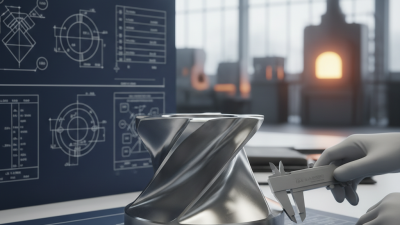
2026 How to Choose High Tech Investment Casting Solutions?
In today's competitive market, choosing the right solutions for High Tech Investment Casting can be challenging. With advancements in technology, manufacturers face various options. It is essential to understand the unique requirements of your projects. Taking the time to research can lead to better investments and outcomes.
High Tech Investment Casting offers precision and flexibility. However, many companies struggle to identify the features that align with their needs. In this landscape, evaluating the capabilities of suppliers is critical. Not all solutions provide the same level of quality or innovation, and navigating through them can be overwhelming.
Considerations such as material compatibility and production efficiency are vital. You might find that some options appear appealing at first. Yet, they may not deliver on promises during actual production. Prioritizing reliable vendors and proven technologies often leads to more successful results. Reflecting on past experiences can guide your decisions today and future-proof your operations.
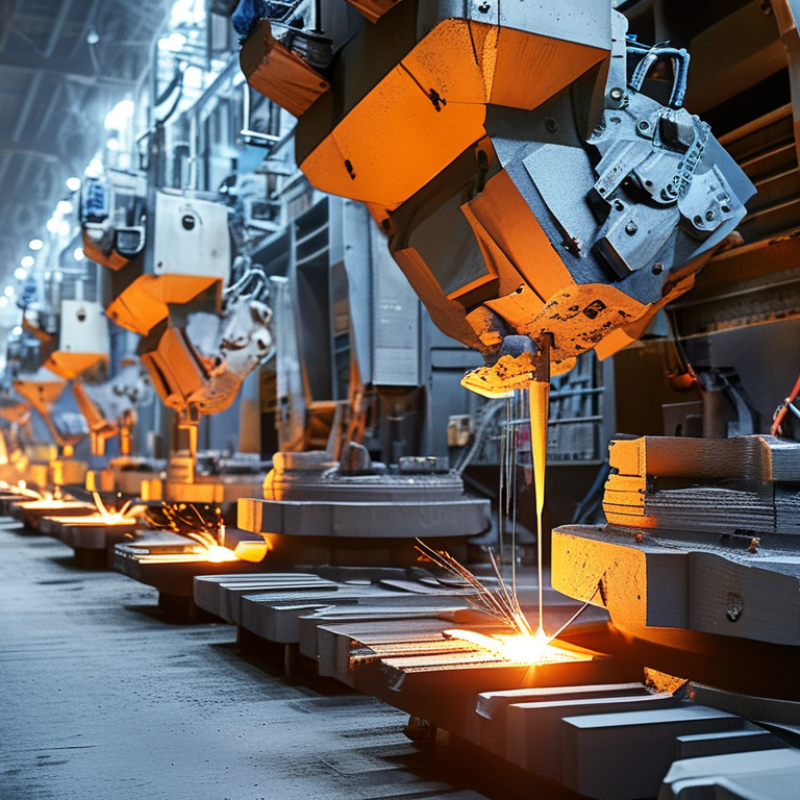
High Tech Investment Casting: Overview of Key Technologies in 2026
High-tech investment casting is evolving rapidly in 2026. Key technologies like 3D printing, advanced alloys, and automation are shaping the industry. According to a recent report by Grand View Research, the global investment casting market is projected to reach $20 billion by 2028. This growth highlights the importance of adopting modern techniques.
3D printing is making waves in this space. It reduces lead times significantly and allows for complex geometries previously deemed impossible. For instance, intricate cooling channels can now be integrated into cast parts, enhancing efficiency. However, the technology still has limitations, such as the cost of materials and the need for precision in design.
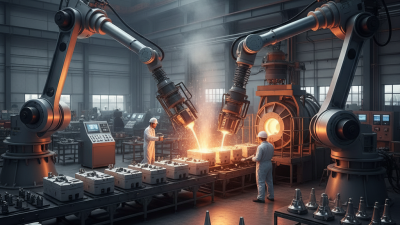
Automation also plays a crucial role. Robotic arms streamline the casting process and minimize human error. However, transitioning to automated systems can be challenging. Companies may encounter resistance from workers accustomed to traditional methods. Balancing innovation with workforce dynamics is essential for a smooth transition. The goals of performance and cost-effectiveness remain critical as the industry moves forward. Exploring these technologies deeply is vital for making informed investment decisions.
Evaluating Material Selection for Optimal Performance in Investment Casting
When it comes to investment casting, selecting the right materials is crucial for performance and durability.
Materials directly influence the casting's strength, weight, and resistance to wear.
According to the Foundry Research Institute, about 40% of casting failures derive from suboptimal material choices.
This highlights the importance of thorough evaluation during the material selection process.
A variety of alloys and composites are available, each with specific properties suited for different applications.
For instance, aluminum alloys are popular for their lightweight and strength, making them ideal for automotive parts.
In contrast, stainless steel offers excellent corrosion resistance, suitable for medical instruments.
The choice should also consider environmental factors, as certain materials may degrade faster when exposed to specific conditions.
Innovative materials are emerging, like advanced ceramics and polymer composites.
However, they often come with higher costs and require reflective assessment of their performance against traditional materials.
A detailed assessment of performance data and lifecycle benefits is essential.
Providers can benefit from consulting industry reports, noting that users should be cautious of claims without substantial evidence.
Cost-Benefit Analysis of Modern Investment Casting Equipment
Investment casting has been a significant process in manufacturing, allowing for intricate designs with high precision. However, selecting the right high-tech solutions requires a thorough cost-benefit analysis. Modern equipment can drastically reduce production time and costs. A report by the International Journal of Precision Engineering and Manufacturing notes that advanced machinery can increase productivity by up to 50%. This efficiency translates into lower operational costs in the long run.
Yet, the initial investment in high-tech equipment can be substantial. Companies must evaluate the return on investment (ROI). According to a survey by Modern Casting, 40% of businesses reported that their ROI on new casting technology improved within two years. But not all investments yield positive results. The risk of adopting new technology should not be underestimated. A detailed analysis of operational needs is crucial.
Moreover, while technology can enhance product quality, it may also introduce complexities. Training personnel to operate sophisticated machines requires time and resources. A misstep in training can lead to setbacks. Therefore, balance is essential. High-tech solutions can offer remarkable advantages, but understanding the full lifecycle costs is vital. Industry trends show that a well-executed investment casting strategy often pays dividends, but only when backed by thorough research and consideration.
Emerging Trends in Automation and Robotics for Investment Casting
Automation and robotics are reshaping the landscape of investment casting. The integration of advanced technologies streamlines production processes, enhancing efficiency. For instance, robotics can perform repetitive tasks with precision, reducing human error and labor costs.
Emerging trends show a growing reliance on automated systems. Smart sensors collect real-time data, improving quality control through constant monitoring. These innovations can create more intricate designs that were once impossible. However, the shift towards automation raises questions about job displacement. While automation increases productivity, it may lead to reduced employment opportunities in traditional roles.
Investors should be aware of these dynamics. Embracing automation must come with a strategy for workforce transition. Ensuring that staff can adapt to new technologies is crucial for sustainable growth. The investment casting industry stands at a crossroads, balancing technological advancement with human element considerations. This balance will define its future.
Emerging Trends in Automation and Robotics for Investment Casting (2026)
Sustainability Practices in High Tech Investment Casting Solutions
Sustainability is becoming essential in high-tech investment casting. Many manufacturers are exploring eco-friendly materials and processes. These practices safeguard the environment while enhancing production efficiency.
Using recyclable materials can significantly reduce waste. Some companies now recycle metal scraps back into production. This not only cuts costs but also minimizes environmental impact. Innovative methods like 3D printing are gaining traction. They allow for intricate designs with less material waste.
However, challenges remain. Transitioning to greener methods can be costly. Smaller companies may struggle to adopt these technologies. Balancing cost-efficiency with sustainability efforts is crucial. Regular assessments of practices are necessary for continuous improvement.



 +86 180 0293 5268
 CONTACT Shixin
 CONTACT Shixin
 CONTACT Shixin