How to Choose Metal Parts Manufacturing Methods for Your Project?
In the world of Metal Parts Manufacturing, choosing the right production method can significantly impact your project's success. Expert engineer John Smith once stated, "Selecting the best method can save time and costs." His insight highlights the necessity of a thoughtful approach.
Various manufacturing techniques exist, from casting to CNC machining. Each method has unique benefits and drawbacks. For instance, while 3D printing offers design flexibility, it might not be the most cost-effective. Sometimes, the latest technology may not be suitable for every project.
Understanding the project requirements is essential. Consider factors like material type, tolerances, and the production scale. Careful evaluation leads to better decisions. However, it's common to overlook crucial details in the rush to choose a method. Taking time for reflection can pave the way for more informed choices in Metal Parts Manufacturing.
Factors to Consider for Choosing Metal Parts Manufacturing Methods
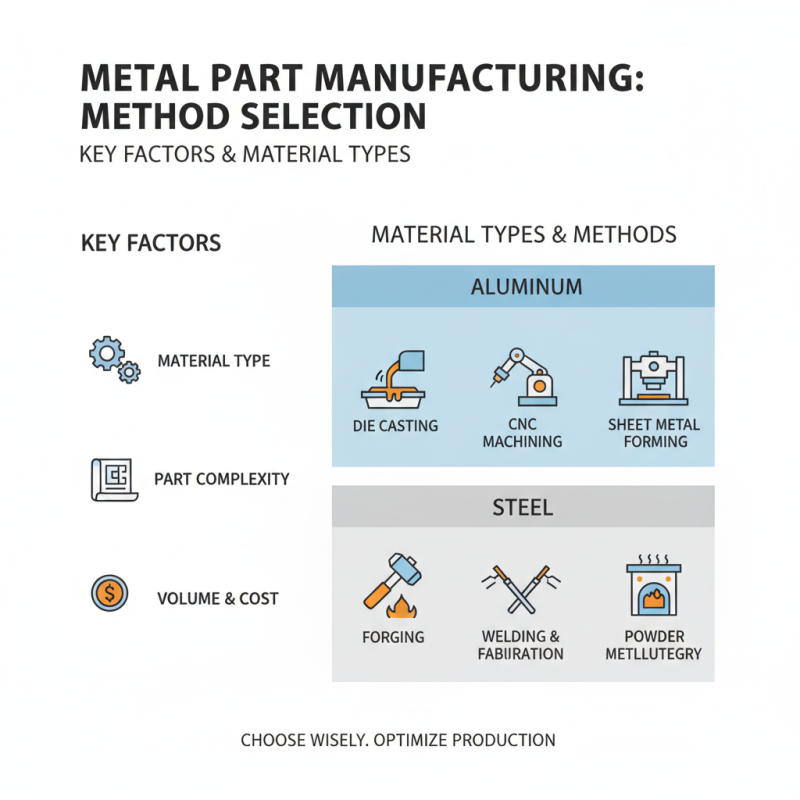
Choosing the right manufacturing method for metal parts is crucial. Several factors influence this decision. Material type is one of the most significant considerations. Different metals behave differently during processing. For instance, aluminum requires distinct techniques compared to steel. Understanding these requirements is vital.
Cost is another critical factor. Some methods, like casting, can reduce material waste. Others might lead to higher expenses due to labor intensity. Evaluate the overall budget before moving forward. Lead time plays a role as well. Some methods can produce parts quickly, while others involve longer preparation stages. Weigh these elements carefully.
Design complexity cannot be overlooked. Intricate designs might necessitate advanced manufacturing processes. Simpler shapes may suit basic methods better. Reflect on the designs you’ve created. Do they align with your chosen method? Each metal part project is unique. Ensure your choices reflect the specific needs and constraints of your project.
Common Metal Manufacturing Processes and Their Applications
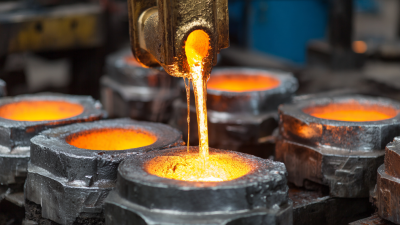
Choosing the right metal manufacturing process is crucial for any project. Different processes yield different results, depending on the requirements of your design. For instance, processes like casting allow for complex shapes. It involves pouring molten metal into molds, which cool down to form solid parts. However, this method can sometimes produce imperfections. These may require additional finishing steps.
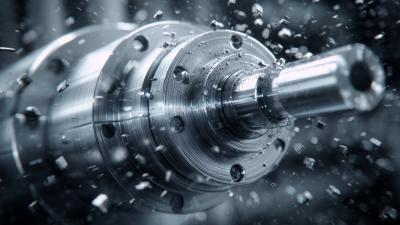
On the other hand, machining is another common process. It includes cutting, drilling, and shaping metal to meet precise specifications. This method tends to generate high-quality parts. Yet, it's often more time-consuming and can result in material waste. Businesses must weigh the benefits and drawbacks seriously.
Another option is fabrication. This technique involves assembling metal structures from various parts. It’s perfect for larger projects. Still, fabrication can introduce alignment issues. Ensuring every piece fits together seamlessly is a challenge. This decision-making process is not straightforward, and taking the time to reflect on each method is essential.
Cost Analysis: Comparing Metal Fabrication Techniques for Budgeting
When embarking on a metal parts manufacturing project, cost is often a primary concern. Different fabrication techniques vary significantly in price. For instance, methods like machining can be precise but may come with higher costs due to tooling and labor. On the other hand, techniques like sheet metal fabrication are often more affordable and can be efficient for larger volumes. However, the price advantages may lead to compromises in customizability.
It's essential to conduct a thorough cost analysis of each technique. Consider factors such as material costs, labor expenses, and the need for any specialized equipment. A project might benefit from a more costly method in terms of durability and performance. But this often requires a careful examination of project goals and budgets. Sometimes, a cheaper option may not meet the required specifications. Re-evaluating your needs could reveal fallback positions that save money but compromise quality.
Additionally, there’s the environmental aspect to consider. More economical methods can produce more waste or require more energy. This can lead to hidden costs related to disposal or emission compliance. Taking the time to weigh these factors against the initial quotes can lead to wiser budgeting. Reflecting on past experiences help refine future project planning. Making informed choices based on detailed analysis can significantly impact both costs and project outcomes.
How to Choose Metal Parts Manufacturing Methods for Your Project? - Cost Analysis: Comparing Metal Fabrication Techniques for Budgeting
| Manufacturing Method |
Typical Materials |
Cost per Unit |
Production Rate (units/hour) |
Best Use Case |
| Laser Cutting |
Aluminum, Steel, Stainless Steel |
$10 |
50 |
Complex Shapes |
| CNC Machining |
Steel, Titanium, Brass |
$25 |
20 |
Precision Parts |
| Metal Stamping |
Stainless Steel, Copper |
$5 |
100 |
High Volume Production |
| Welding |
Aluminum, Steel |
$15 |
30 |
Assembly Work |
| 3D Metal Printing |
Titanium, Aluminum |
$50 |
5 |
Custom Orders |
Material Selection: Impact on Manufacturing Method Choice
When selecting metal parts for manufacturing, material choice plays a crucial role. Different materials offer varying properties. For example, aluminum is lightweight but may lack strength compared to steel. Each metal type has distinct characteristics, impacting manufacturing methods.
Consider how certain metals respond to heat. Some materials, like titanium, handle high temperatures well. Others may warp or lose strength. This factor can determine the appropriate fabrication method. Laser cutting works well with many metals. However, it may be less effective on certain alloys. Therefore, understanding material behavior is essential.
Fabrication also influences material selection. Some processes require specific strength or flexibility. For instance, precision machining often needs materials that can withstand stress. On the other hand, casting can utilize less expensive metal options. Reflecting on these details helps prevent costly mistakes in production.
Manufacturing Methods Impact on Material Selection
Quality Control Measures in Metal Parts Production Techniques
In metal parts production, quality control is paramount. Effective measures ensure that parts meet specifications and customer expectations. Regular inspections should occur at various production stages. Visual checks for surface defects work well. However, relying solely on visuals may miss hidden flaws.
Testing methods like tensile or fatigue testing are essential. They provide insights into the material's durability. Sometimes, these tests can produce surprising results. A part that seems perfect may fail under stress. It’s vital to analyze these failures to improve future processes.
Documentation of each stage is crucial. Tracking potential issues can prevent them from recurring. Yet, it is common to overlook this step. Poor record-keeping can lead to misunderstandings about quality standards. Investing time in proper documentation pays off in the end. Quality control measures, while sometimes tedious, are the backbone of successful metal parts manufacturing. Workers must be engaged in these practices. Failing to do so can lead to inconsistency and wasted resources.



 +86 180 0293 5268
 CONTACT Shixin
 CONTACT Shixin
 CONTACT Shixin