How to Choose Precision Parts Machining Services for Your Project?
In the realm of manufacturing, choosing the right Precision Parts Machining services is critical. John Doe, a leading expert in this industry, emphasizes, "Quality machining is the cornerstone of successful production." This statement rings true as the right choice can significantly impact your project’s outcome.
Navigating the selection process can be challenging. Precision Parts Machining requires attention to detail and a clear understanding of specific project needs. Many manufacturers promise precision, but not all deliver. Evaluating potential partners involves understanding their experience, expertise, and equipment capabilities.
Visualizing the components you need machined can guide your decision-making. Consider the tolerances required and the materials involved. Always ask for samples. Reflections on past projects can also reveal how previous choices affected outcomes. It is vital to weigh cost against quality. In this competitive landscape, compromise can lead to disappointing results.
Understanding the Importance of Precision Parts Machining Services
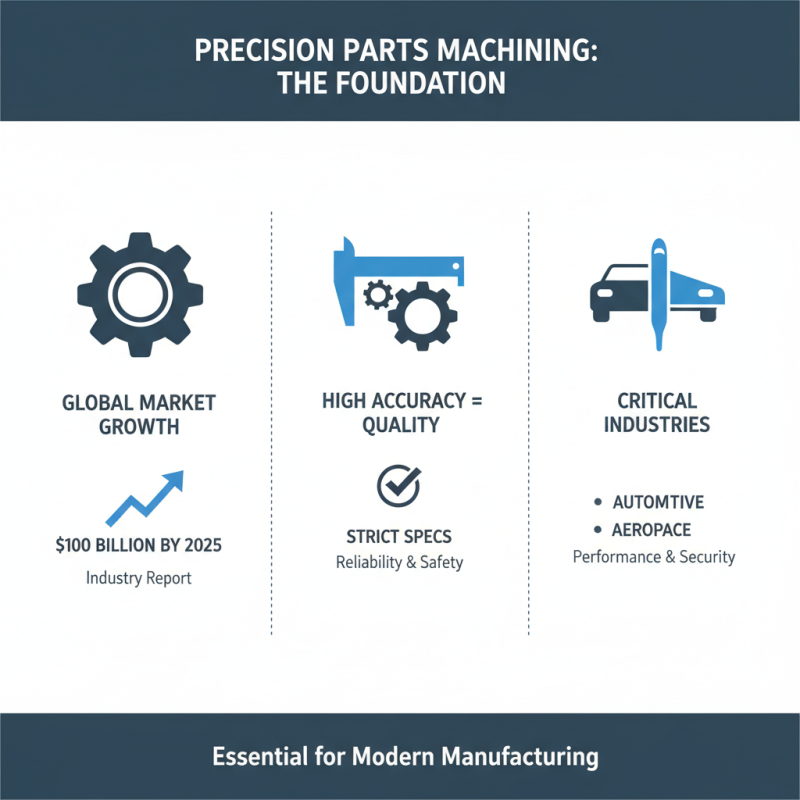
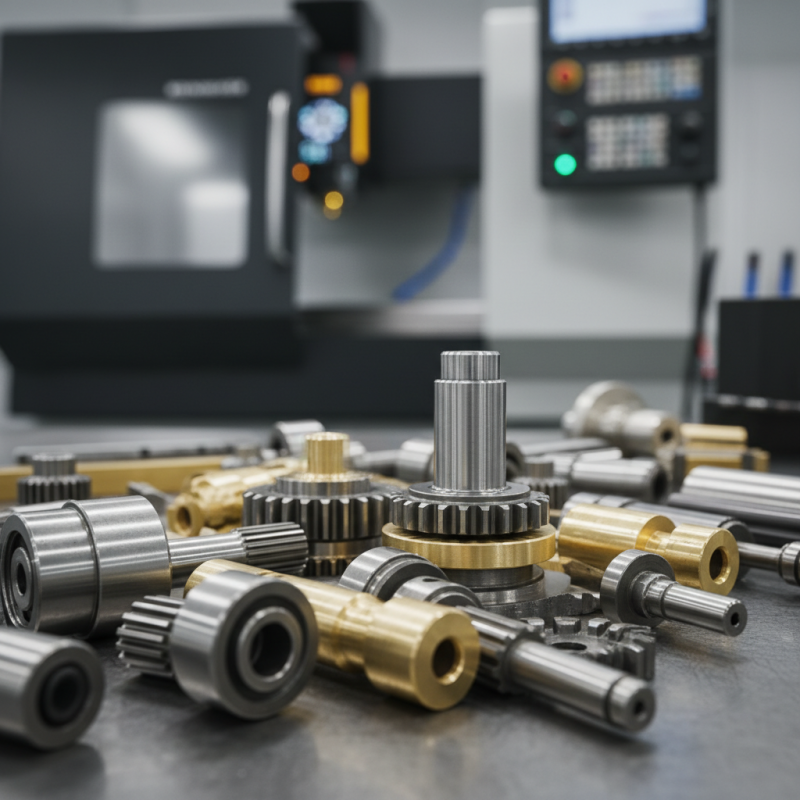
Precision parts machining services play a crucial role in various industries. According to a recent industry report, the global precision machining market is expected to reach $100 billion by 2025, highlighting its growing importance. High accuracy in machining ensures that components meet strict specifications and quality standards. The automotive and aerospace sectors, in particular, rely heavily on precision parts for safety and performance.
Selecting the right machining service requires careful consideration. One key factor is the technology used. Advanced machinery can produce intricate designs with minimal human error. However, not all companies invest equally in technology. Some may still use outdated methods. This can lead to inconsistencies in quality. A study revealed that about 20% of machined parts fail quality checks. Understanding a company’s technology and processes is vital to avoid such pitfalls.
Moreover, expertise in materials is essential. Different projects may require specific materials, affecting durability and functionality. A lack of knowledge about material properties can result in poor outcomes. Precision machining often involves working with metals like titanium or aluminum, each with unique characteristics. Research indicates that about 15% of projects face delays due to material issues. Therefore, thorough evaluation of potential partners is necessary.
Identifying Your Project Requirements for Machining Services
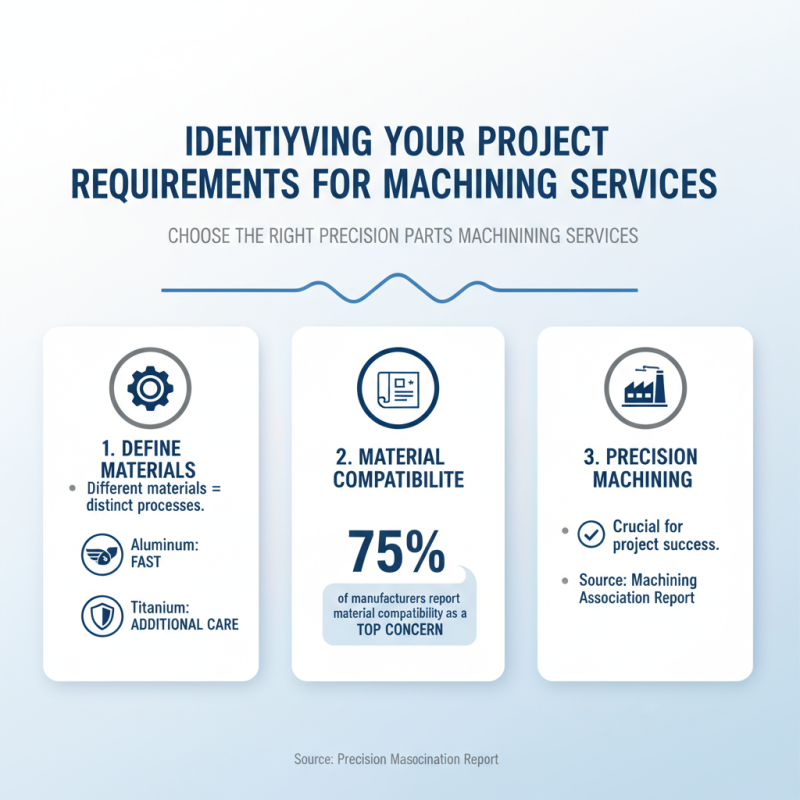
Identifying your project requirements is crucial for choosing the right precision parts machining services. Start by defining the materials you need. Different materials require distinct machining processes. For example, aluminum can be machined quickly, while titanium may need additional care. According to a report by the Precision Machining Association, around 75% of manufacturers report material compatibility as a top concern.
Next, consider the tolerances required for your components. Tight tolerances will demand more advanced machinery and skilled operators. A study by the Manufacturing Institute indicates that parts with tolerances tighter than ±0.001 inches significantly increase production costs. Make sure your project can justify these expenses before proceeding.
Tips: Always ask for quotes from multiple suppliers to compare costs. Be clear about your exact needs. Miscommunication can lead to errors, which could be costly.
Don't overlook the quantity of parts needed. Low volumes may not attract the best pricing from suppliers. However, large orders can result in delays if not managed correctly. Being open about your expected production volume can help machining services better align with your deadlines. Keep in mind, suppliers that are overly eager to accommodate may be cutting corners elsewhere.
Evaluating Potential Machining Service Providers
When evaluating potential machining service providers, it's crucial to assess their capabilities. One key factor is their technology. Advanced CNC machines and software can significantly impact precision. According to a report by the Association for Manufacturing Technology, over 65% of companies consider machine capabilities a top priority. This metric highlights the importance of investing in updated technology.
Another aspect to evaluate is the company's previous work. A provider's portfolio gives insight into their experience with similar projects. However, not all portfolios tell the same story. Look for specific examples where they successfully met tight tolerances. This can reveal their skill in handling demanding specifications.
Additionally, consider customer feedback. Reviews can provide a glimpse into the provider's reliability and service quality. A 2022 survey indicated that nearly 70% of customers prioritize service responsiveness. Take note of any recurring issues mentioned in reviews. This could indicate potential challenges during your project. Observing these details can aid in making an informed decision. Precision is key, and the right choice can make a significant difference in your project’s success.
How to Choose Precision Parts Machining Services for Your Project?
| Criteria |
Description |
Importance Level |
| Experience |
Years in the machining industry and types of projects handled. |
High |
| Quality Certifications |
Certifications such as ISO 9001 that ensure quality standards. |
High |
| Capabilities |
Machining processes offered (CNC, drilling, milling, etc.). |
Medium |
| Lead Times |
Expected delivery times for various projects. |
Medium |
| Pricing |
Cost structures and potential for competitive pricing. |
High |
| Client References |
Feedback and testimonials from previous clients. |
Medium |
| Customer Support |
Quality of customer service and technical support. |
High |
Comparing Cost and Quality of Machining Services
When selecting precision parts machining services, cost and quality are critical factors. Industry data reveals that machining costs can vary significantly depending on material, complexity, and volume. A recent report indicated that costs can range from $50 to over $150 per hour, depending on the service provider. This tells us that cheaper services might cut corners, leading to quality issues.
Quality assurance is crucial. Reportedly, over 30% of projects face delays due to quality control problems. Investing in higher-quality machining services can prevent this. Precision is not just about the price. It’s about reliability and durability. For instance, parts that meet tighter tolerances not only perform better but also last longer. Short-term savings may translate into long-term costs.
When comparing potential providers, ask for detailed quotes. Understand what each quote includes. A lower price might exclude vital steps in the manufacturing process, impacting quality. Scrutinize their quality certifications. Many companies claim high standards, but not all can back it up. It’s essential to reflect on what good quality truly means for your project.
Assessing Turnaround Time and Customer Support Options
When choosing precision parts machining services, assessing turnaround time is crucial. You’ll want a provider who can meet your deadlines. A fast turnaround can enhance your project delivery. Yet, remember that speed should not compromise quality. Inadequate time may lead to errors. Ensure the service doesn’t rush through crucial steps.
Customer support is equally essential. You need a team that is accessible and responsive. Communication can prevent misunderstandings about your specifications. Look for companies that offer multiple channels for assistance. A quick response can save you time and frustration. Consider asking for support after hours, too, as emergencies can arise.
Stay observant of how potential service providers handle inquiries. Are they patient and informative? This can hint at future interactions. If they take too long to respond now, it may persist later. Ultimately, the right support can make or break your experience. Choose wisely to foster a collaborative partnership.
Turnaround Time and Customer Support Evaluation for Precision Parts Machining Services



 +86 180 0293 5268
 CONTACT Shixin
 CONTACT Shixin
 CONTACT Shixin