How to Choose the Right Investment Casting Steel for Your Project?
Choosing the right Investment Casting Steel is crucial for project success. This decision can impact production efficiency, product quality, and overall costs. According to a report by the Investment Casting Institute, the global market for investment casting is projected to reach $23 billion by 2028. This significant growth demonstrates the importance of selecting suitable materials.
Experienced industry expert John Smith emphasizes, "The choice of Investment Casting Steel can make or break a project." This statement highlights the weight of this decision. With varying grades and properties, understanding your specific needs is essential. Missteps in selection can lead to increased lead times and unplanned expenses.
Material specifications and steel compositions must align with project requirements. Factors like strength, corrosion resistance, and machinability vary among different steel types. Choosing incorrectly can result in performance issues and safety concerns. Investing time in material research pays off. The right Investment Casting Steel enhances both reliability and functionality in end products.
Understanding the Basics of Investment Casting Steel
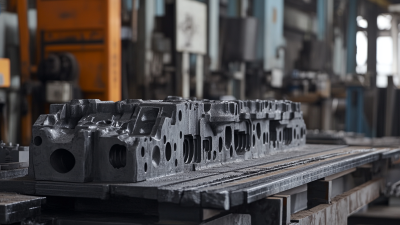
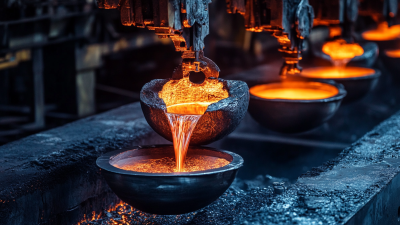
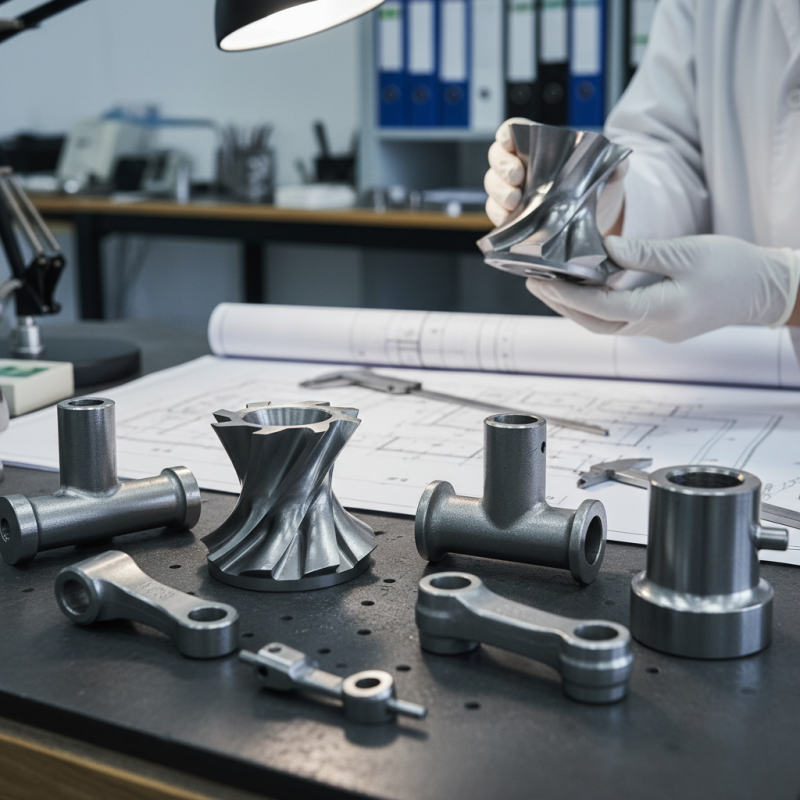
Investment casting steel is essential for many projects. It starts with understanding its properties. This process involves creating a wax pattern, covering it with ceramic, and pouring molten steel into the mold. The result is a precise shape that retains small details. This method allows complex geometries that traditional methods struggle with.
When selecting the right steel, consider the specific requirements of your project. Different alloys offer varied strengths and corrosion resistance. For instance, stainless steel provides durability in harsh environments. On the other hand, carbon steels can be a cost-effective solution for less demanding applications. Test samples early can highlight potential issues.
The balance between quality and cost is vital. It's easy to overlook the importance of testing and refining your choice. Sometimes, the specifications change after initial designs. This can lead to a need for further adjustments, which may not always be straightforward. Engaging experienced manufacturers can help address these challenges. Their insights can guide you toward the best materials for your needs.
Identifying Your Project Requirements and Specifications
Choosing the right investment casting steel begins with understanding your project needs. Consider the environment where the final product will be used. Will it face high temperatures, corrosion, or mechanical stress? Identify the specific demands of your application. Knowing these factors will help narrow down your options.
Next, pay attention to the specifications of your project. What are the weight and size constraints? Is there a need for precise tolerances? Evaluating these details is crucial. Discussing with engineers or fabricators can provide insights that might not be obvious at first glance. Sometimes, a dip in quality can arise from overlooked specifications. Make sure your choices align with the end goals of performance and durability.
Don’t forget to reflect on the desired aesthetic qualities as well. The finish of the steel can affect not only appearance but functionality too. Simple choices can sometimes lead to complex issues later on. Balancing strength and design is essential. Take time to review all specifications thoroughly to avoid mistakes that can alter project timelines or increase costs.
Comparing Different Types of Investment Casting Steels
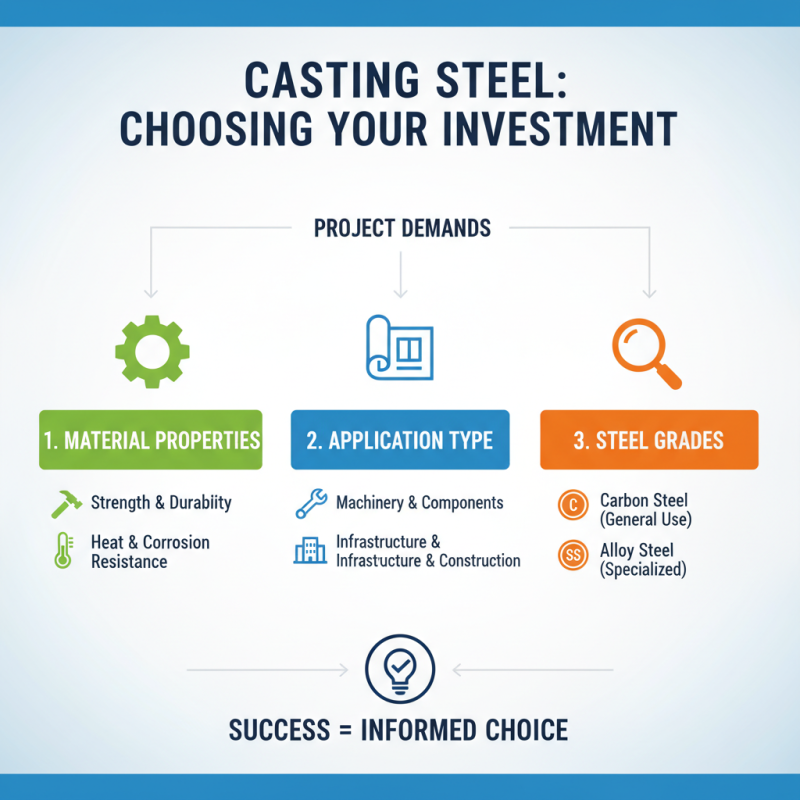
Choosing the right investment casting steel can be challenging. Different projects demand different materials. Each type of casting steel has unique properties and applications. Understanding these differences is crucial for success.
Carbon steel is a popular choice for its strength and affordability. It can handle high stress, making it suitable for various mechanical parts. However, it may not withstand extreme temperatures as well as other options. On the other hand, alloy steels contain elements like chromium and nickel. These additions enhance strength and corrosion resistance. Alloy steels are ideal for harsh environments but may be more expensive.
Stainless steel is another common option. It offers excellent corrosion resistance, making it perfect for food processing or medical industries. Yet, it can be less ductile compared to other steels. When selecting materials, designers often debate their choices. Getting it right takes careful consideration and testing. Each project may require a different approach.
Evaluating Performance Characteristics of Casting Steels
When selecting investment casting steel, evaluating performance characteristics is crucial. Steel’s mechanical properties can differ widely. Strength, ductility, and hardness are key metrics. Each project may have unique demands. A steel's tensile strength indicates its ability to withstand pulling forces. High strength often means less deformation under load.
Cost can be an issue. Sometimes, a cheaper option may not meet the durability needed. This could lead to unexpected failures. Bending and fatigue resistance need careful consideration as well. Is the steel tough enough? Sometimes, it’s hard to find the right balance between cost and performance.
Surface finish matters too. A smoother finish can enhance the part’s performance. It can also reduce friction, leading to longer lifespan. However, achieving that finish may require extra processing time or costs. Understanding these characteristics helps in making informed decisions. Choosing steel isn't just about clinical specifications; it’s often about the specifics required by the end application.



 +86 180 0293 5268
 CONTACT Shixin
 CONTACT Shixin
 CONTACT Shixin