What is Cnc Machined Part and Why is it Important for Buyers?
Cnc machined parts are crucial in modern manufacturing. These components are produced through advanced processes to ensure precision and reliability. According to a 2023 industry report by Grand View Research, the global CNC machining market is expected to surpass $100 billion by 2025. This highlights the growing demand for customized and high-quality manufactured parts.
Expert John Smith, a leader in CNC technology, states, "Cnc machined parts are the backbone of many industries." Manufacturers rely on these parts for everything from aerospace to medical devices. Their importance lies not just in their functionality but also in their ability to meet strict industry standards.
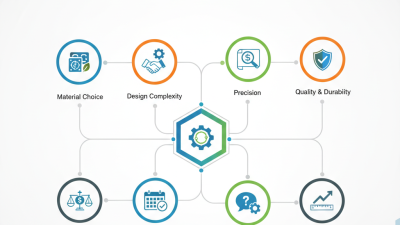
However, sourcing the right Cnc machined parts can be challenging. Buyers must consider factors like material quality, production capabilities, and supplier expertise. Missteps in selecting the right components can lead to costly delays and inferior products. Understanding the landscape of Cnc machined parts is vital for successful procurement and manufacturing processes.
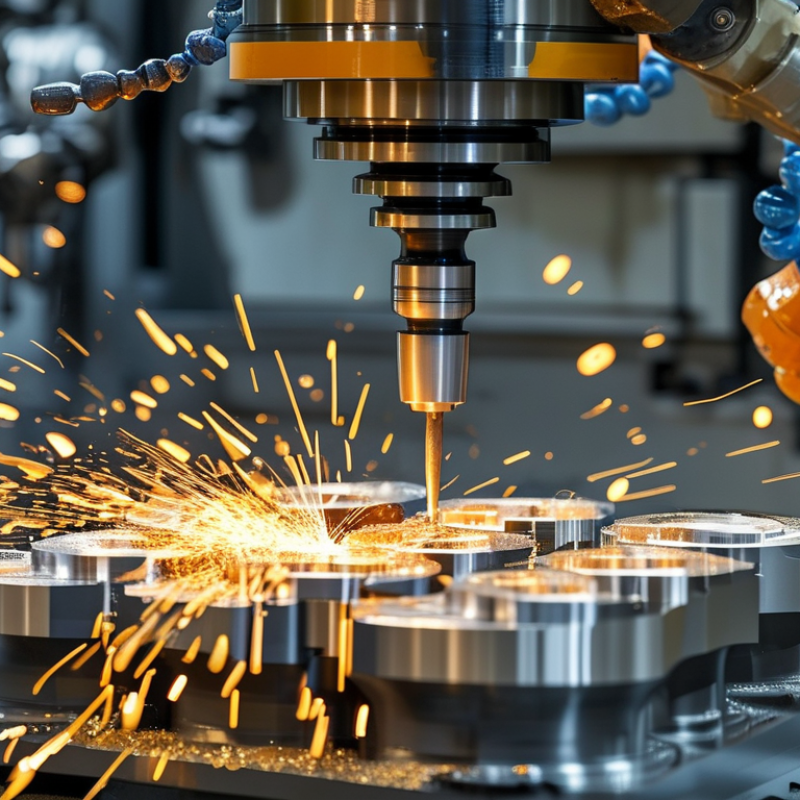
What is CNC Machining and How Does It Work?
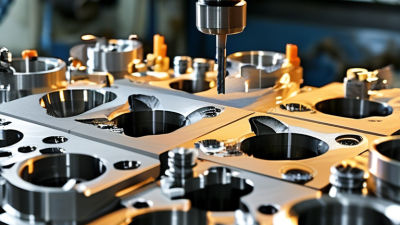
CNC machining stands for Computer Numerical Control machining. It utilizes computer software to control machine tools. This process creates precise parts and components from a variety of materials. The machines follow programmed instructions to ensure accuracy, repeatability, and complex geometries.
CNC machining operates through a series of steps. First, a digital design is created using CAD software. This design then translates into G-code, a language understood by CNC machines. Once the machine receives the code, it performs operations like drilling, milling, and turning. This method reduces human error and enhances efficiency in production runs.
Despite its advantages, CNC machining does have limitations. The initial setup costs can be high, and skilled operators are essential for optimal performance. Additionally, the technology may not be suitable for very large parts or intricate designs. Buyers must weigh these factors carefully to make informed decisions.
CNC Machined Parts Production Overview
This chart illustrates the production volume of various materials used in CNC machining. Understanding the distribution of different materials helps buyers make informed decisions regarding sourcing and cost efficiency.
Understanding CNC Machined Parts and Their Applications
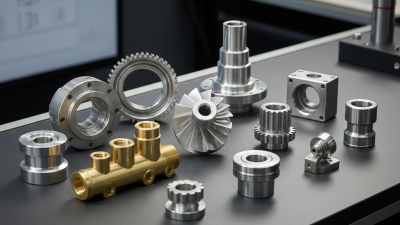
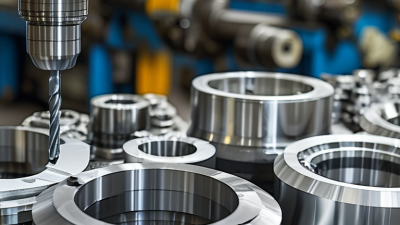
CNC machined parts play a crucial role in various industries. These parts are created using a computer-controlled machining process. This allows for precise and complex shapes to be made from different materials. Engineers can produce components with tight tolerances, which is vital for functionality. High accuracy ensures that parts fit together properly, reducing the need for adjustments.
Applications of CNC machined parts are diverse. They are widely used in automotive, aerospace, and medical industries. For instance, aircraft components require reliability and precision. Any flaw can lead to safety risks. Medical devices also depend on exact specifications to function correctly. However, companies must consider the cost and time of production. Rapid prototyping and mass production present challenges, and sometimes unexpected delays occur.
Select suppliers who understand your specific needs. Quality control is essential, but not always guaranteed. Engaging with experienced professionals can help clarify potential issues. Understanding the material properties and machining processes further enhances production quality. Always keep an open line of communication with manufacturers to address concerns and expectations.
The Importance of Precision in CNC Machined Parts
Precision is paramount in CNC machined parts. According to a report by the International Journal of Advanced Manufacturing Technology, 75% of manufacturers emphasize the need for high precision in components. This is crucial for industries such as aerospace, medical devices, and automotive, where even minor tolerances can lead to significant failures. The focus on precision not only enhances functional performance but also impacts safety and reliability.
Measuring accuracy in CNC machining is critical. A deviation of just 0.001 inches can affect machinery operations, causing delays and increased costs. For example, a slight miscalculation can render parts unusable. Moreover, the Institute for Supply Management found that 40% of buyers reported dissatisfaction due to precision issues. These statistics highlight that maintaining stringent quality control processes is not just an option but a necessity for manufacturers aiming to remain competitive.
Investing in advanced CNC technology can enhance precision. However, not all companies prioritize this investment. Some may overlook the need for regular equipment calibration. This can lead to inconsistencies in production runs. Continuous improvement processes should be a focus. Addressing precision concerns in CNC machined parts ensures long-term customer satisfaction and reduces costs associated with rework and returns.
Key Factors Buyers Should Consider When Purchasing CNC Machined Parts
When considering CNC machined parts, buyers must assess several key factors to ensure optimal purchase decisions. The material selection is vital; it impacts durability and weight. Aluminum, for example, is popular for its lightweight properties and corrosion resistance. According to a report by Grand View Research, the global CNC machining market is expected to reach USD 100 billion by 2025, highlighting the rising demand for quality components.
Precision is another crucial factor. A tolerance deviation of just 0.001 inches can lead to significant issues in assembly and functionality. This level of precision is often achieved through advanced machinery and experienced technicians. Furthermore, buyers should evaluate the supplier’s capabilities. A reliable supplier can offer not only quality but also faster turnaround and adherence to strict standards.
Cost should be balanced with quality. Cheaper options may compromise durability, causing long-term expenses in repairs or replacements. Buyers often overlook this aspect. Investing in quality, even at a higher upfront cost, can lead to greater savings down the road. Therefore, a thorough evaluation of potential suppliers and their track record is essential for informed purchasing.
Common Materials Used in CNC Machining and Their Benefits
CNC machining is central to manufacturing today. The choice of materials significantly impacts the quality and functionality of the machined parts. Common materials used in CNC machining include aluminum, stainless steel, and plastic. Each material comes with its unique benefits.
Aluminum is lightweight yet strong. It's also corrosion-resistant, making it ideal for aerospace and automotive applications. For those needing durability, stainless steel is a popular choice. It offers excellent strength and is also resistant to rust and stains. Plastics, such as acrylic or nylon, are often chosen for their versatility and cost-effectiveness. They can be molded into complex shapes, allowing for creative designs.
**Tips:** When selecting a material, consider the part’s end-use. A lighter material may work better for aerospace components, while a heavier one is preferable for machinery parts. Always evaluate the environmental factors your product will face.
Using the right CNC machining material can determine project success. It’s essential to understand the pros and cons of each. Rushing this decision can lead to flaws in design or function. Take time to review your options carefully.
What is Cnc Machined Part and Why is it Important for Buyers? - Common Materials Used in CNC Machining and Their Benefits
| Material |
Benefits |
Common Applications |
| Aluminum |
Lightweight, good corrosion resistance, excellent machinability |
Aerospace, automotive, consumer electronics |
| Steel |
High strength, durability, versatility |
Construction, machinery, tools |
| Titanium |
High strength-to-weight ratio, corrosion resistance |
Medical devices, aerospace, marine applications |
| Brass |
Good machinability, low friction, corrosion-resistant |
Plumbing, electrical components, musical instruments |
| Plastic (e.g. Nylon, PTFE) |
Lightweight, good chemical resistance, electrical insulation |
Consumer goods, automotive parts, electrical housings |



 +86 180 0293 5268
 CONTACT Shixin
 CONTACT Shixin
 CONTACT Shixin