Leave Your Message

CNC Machining Parts What You Need to Know Before Buying?

When considering purchasing CNC machining parts, it is vital to understand key factors that influence their quality and suitability. According to industry reports, the global CNC machining market is expected to reach $100 billion by 2025, growing at a CAGR of 6%. This growth indicates a rising demand for precision components across various sectors.

In the realm of manufacturing, the importance of reliable CNC machining parts cannot be overstated. They play a critical role in ensuring the efficiency and effectiveness of production lines. However, not all suppliers offer the same level of quality or expertise. Reports indicate that nearly 30% of companies face challenges due to poor machining standards. Selecting the right manufacturer involves assessing their technological capabilities, material options, and engineering support.

In your journey to acquire CNC machining parts, it’s essential to reflect on what you truly need. Are the specifications clearly defined? Is the supplier’s reputation established? A lack of diligence here can lead to costly errors. Thus, thorough research and consideration of expert insights can pave the way for a successful investment.
CNC Machining Parts What You Need to Know Before Buying?

Understanding CNC Machining: A Comprehensive Overview

CNC Machining Parts What You Need to Know Before Buying?

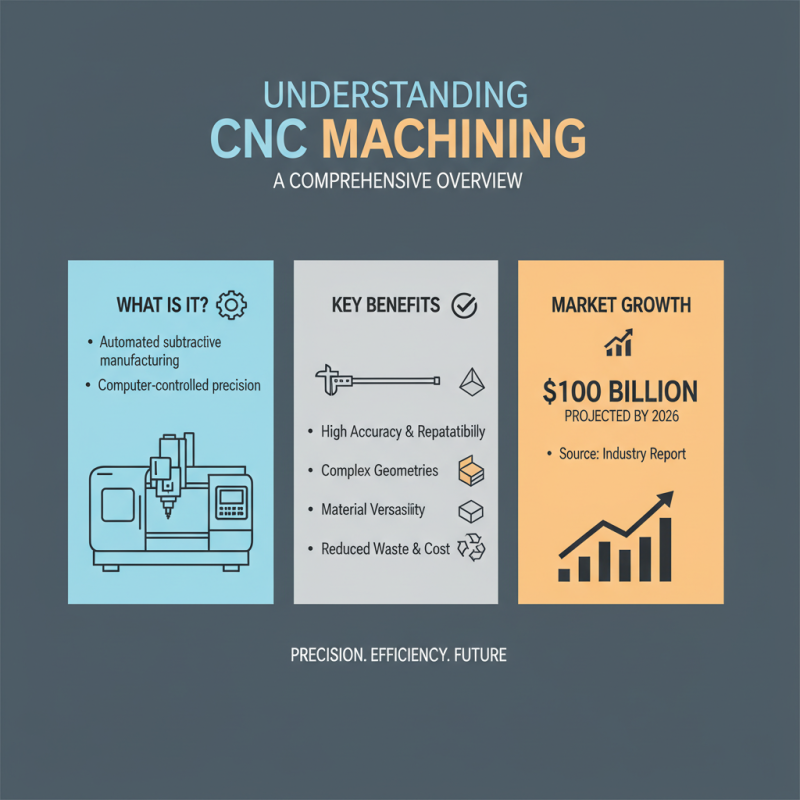
CNC machining has become a cornerstone of modern manufacturing. It allows for precise and efficient production of complex parts. According to a recent industry report, the CNC machining market is projected to reach $100 billion by 2026. Such growth emphasizes the importance of understanding this technology before making a purchase.

Different CNC processes serve various application needs. Milling, turning, and electrical discharge machining (EDM) are popular options. Each has distinct benefits. For instance, milling is ideal for creating complex shapes, while turning excels with cylindrical parts. Knowing your project's specifications is crucial. Detailed requirements lead to better decisions.

Furthermore, choosing the right materials impacts the final product quality. Aluminum, steel, and plastics each behave differently during machining. Material properties affect tolerances and finishes. A study revealed that up to 30% of CNC machining issues arise from material selection. Ensuring compatibility with your design is essential. Reflect on potential trade-offs in durability versus cost.

Key Factors Influencing CNC Machining Parts Selection

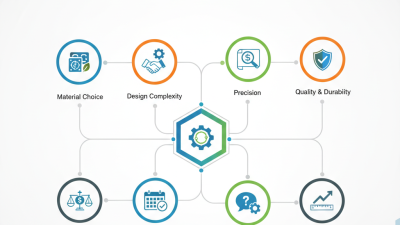
When selecting CNC machining parts, various factors come into play. Material choice is crucial. Different materials impact durability, weight, and cost. Understanding the specifics of materials like aluminum, steel, and plastics is necessary. Each has its advantages and limitations. For example, aluminum is lightweight and corrosion-resistant but might not withstand heavy loads as steel does.

Precision and tolerances are another key element. CNC machining excels in precision, but not all parts require the same level. It’s essential to recognize the part’s function when deciding how tight tolerances need to be. Balancing precision with budget constraints can be challenging. Additionally, the complexity of the design should align with manufacturing capabilities. Complex geometries may require advanced CNC machines, increasing costs.

Lastly, consider lead times and production volumes. A large order may benefit from bulk pricing, but this comes with longer lead times. On the other hand, smaller batches allow for quicker delivery but can be more expensive per unit. Reflecting on these factors ensures a well-informed decision when purchasing CNC machining parts. Aim for quality, and don’t overlook the importance of supplier communication to resolve any uncertainties.

Materials Commonly Used in CNC Machining and Their Applications

When considering CNC machining, material selection is critical. Different materials yield various outcomes depending on the application. For instance, aluminum is a popular choice due to its lightweight and corrosion resistance. It accounts for about 60% of all CNC machining parts produced. Its versatility makes it suitable for industries from aerospace to automotive.

Plastic materials also hold significant value in CNC machining. They are lightweight, cost-effective, and have excellent mechanical properties. Reports show that plastic parts make up nearly 20% of CNC produced components. Common plastics like ABS and Nylon are preferred for their machinability and durability, especially in consumer products.

Steel remains a staple in heavy-duty applications. Its strength and toughness make it ideal for parts requiring high stress resistance. While steel can lead to longer machining times due to its hardness, advances in tooling technology have improved efficiency. However, sourcing high-quality steel can sometimes result in inflated costs, presenting a balancing act for manufacturers. Understanding these material attributes can lead to informed buying decisions in CNC machining.

CNC Machining Parts - Materials Commonly Used and Their Applications

Material Common Applications Advantages Disadvantages
Aluminum Aerospace, automotive parts, consumer electronics Lightweight, excellent corrosion resistance, high strength-to-weight ratio Can be prone to scratching, not as strong as some steels
Steel Construction, machinery, automotive components High strength, durability, cost-effective Heavy, can corrode if not properly treated
Stainless Steel Medical devices, kitchen equipment, automotive Excellent corrosion resistance, hygienic properties Higher cost, can be difficult to machine
Titanium Aerospace, medical implants, high-performance applications High strength, lightweight, excellent corrosion resistance Expensive, challenging to machine
Plastics (e.g., Nylon, Polycarbonate) Consumer products, automotive, electronics Lightweight, corrosion resistant, can be molded into complex shapes Less heat resistant, may deform under heavy loads

Cost Considerations When Purchasing CNC Machined Parts

CNC Machining Parts What You Need to Know Before Buying?

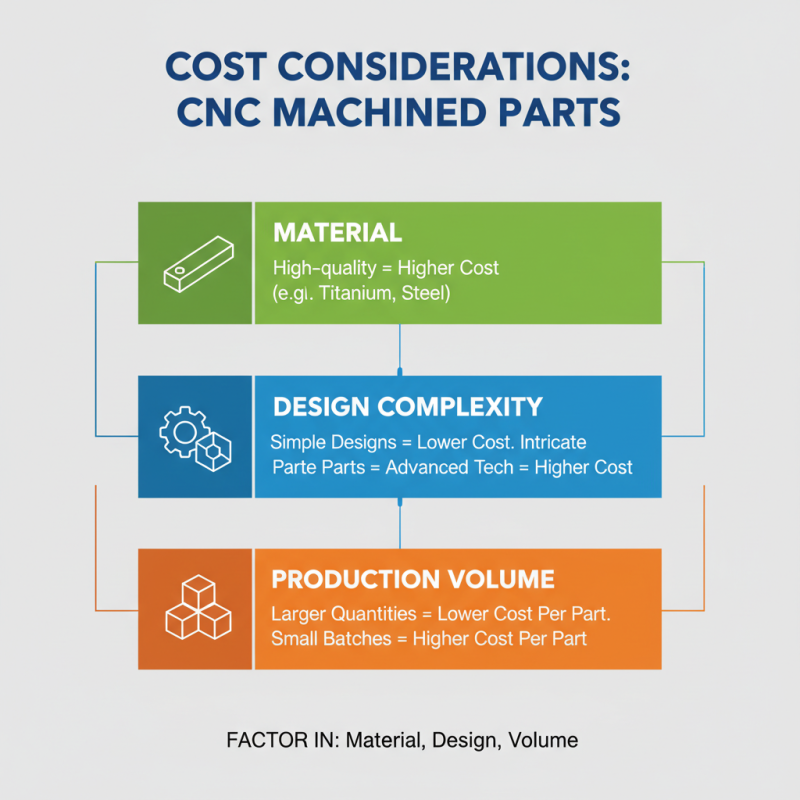
When considering CNC machined parts, cost is a crucial factor. Prices can fluctuate based on material, design complexity, and production volume. High-quality materials often come at a premium. Simple designs may cost less, while intricate parts require advanced technology, increasing the overall price.

Another important aspect is the production speed. Rushed jobs may lead to higher costs due to overtime or expedited shipping. It's wise to think about how much time you can afford for production. Lastly, always compare quotes from different manufacturers. Don't settle for the first offer. Assessing multiple options ensures you find the best balance between cost and quality. This can save you money and improve project outcomes.

Choosing the Right Supplier for CNC Machining Services

Choosing the right supplier for CNC machining services is crucial. The quality of parts can significantly impact your project. Start by researching suppliers with a strong reputation in the industry. Look for those with experience in your specific application. A supplier’s experience can be a game-changer.

Certifications are important. They demonstrate that a supplier adheres to industry standards. This ensures reliability and reduces the risk of errors. Some suppliers might lack crucial certifications. This could lead to complications down the line. Always verify their credentials before proceeding.

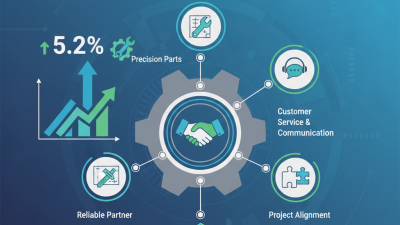
Communication is another key factor. A responsive supplier can make a significant difference. If a supplier is slow to respond, it may be a warning sign. Collaborating with a supplier who understands your needs will save time. Request samples or prototypes to evaluate quality. Sometimes, initial impressions can be misleading. Stay alert to potential red flags throughout the process.