What is Lost Wax Investment Casting and Its Benefits for Buyers?
Lost Wax Investment Casting is a time-honored manufacturing process. It offers precision and versatility for various industries. This method is particularly valued for its ability to produce intricate designs.
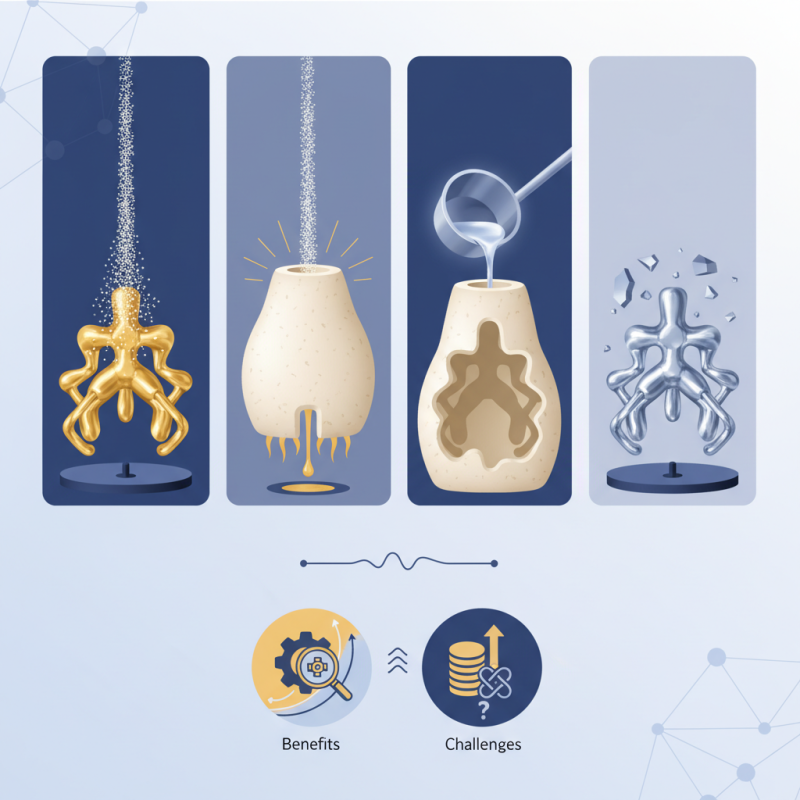
The process begins with crafting a wax model. This model is coated with a ceramic shell. Once heated, the wax melts away, leaving a cavity for metal. This technique allows for complex shapes that other methods struggle to achieve.
Buyers benefit significantly from Lost Wax Investment Casting. The final products exhibit excellent detail and surface finish. However, challenges exist; production costs can rise with complexity. Understanding these nuances is vital for informed decisions.
What is Lost Wax Investment Casting and Its Process Overview
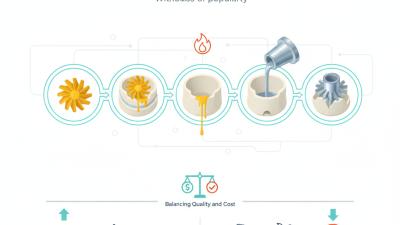
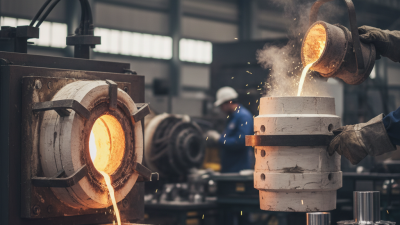
Lost wax investment casting is a sophisticated process for creating precise metal parts. This technique allows manufacturers to produce complex shapes with excellent surface finishes. The process begins with creating a wax model of the part desired. The model is then coated in a ceramic shell, which hardens when heated. Wax is then melted away, leaving a cavity in which molten metal is poured. This method can achieve tolerances of ±0.005 inches, which significantly reduces post-processing needs.
Industry reports indicate that investment casting can produce metal parts with up to 80% less wasted material compared to traditional methods. This efficiency not only benefits manufacturers but also appeals to environmentally conscious buyers. The versatility of materials—ranging from aluminum to steel—adds to its allure. Complex parts that were once difficult to produce can now be realized, opening new avenues for innovation.
Tips: Always consider the end application of the part. If surface finish is a priority, investment casting stands out. When seeking suppliers, review their certifications. Not all casting facilities maintain the same quality standards. Regular audits can reveal significant differences in capabilities.
Historical Development and Evolution of Lost Wax Casting Techniques
Lost wax casting, also known as precision casting, has roots tracing back thousands of years. The technique evolved from crude methods to sophisticated processes. Ancient artisans molded wax models, covering them with clay. Once heated, the wax would melt away, leaving a precise cavity. This approach helped in creating detailed artworks and tools.
Through history, cultures across the globe adapted lost wax techniques. In ancient Egypt, craftsmen produced intricate jewelry using this method. Similarly, the Chinese utilized it for bronze casting during the Shang Dynasty. Each iteration brought improvements, leading to today's advanced techniques. Yet, challenges remain. Maintaining quality while scaling production can be tricky.
Modern applications showcase the benefits of lost wax investment casting. Industries rely on its accuracy and ability to create complex shapes. However, the process requires expertise. One mistake can result in wasted materials and time. Buyers should consider these points when choosing this method. Ensuring skilled artisans oversee production is vital. Understanding its historical evolution provides insight into its reliability today.
Major Industries Utilizing Lost Wax Investment Casting Today
Lost wax investment casting is increasingly popular across various industries. This method allows for highly detailed and complex shapes. Industries such as aerospace rely on it for precision parts. The need for reliability and durability is critical in aerospace applications. Manufacturers focus on eliminating defects to meet strict standards.
The automotive sector also benefits from this casting technique. Engine components and transmission parts often use lost wax investment casting. This method reduces weight while maintaining strength. However, achieving the perfect balance between weight and strength can be challenging. Continuous improvements are necessary to address this balance effectively.
Medical devices are another area where lost wax investment casting shines. Components with intricate details are essential for these devices. Manufacturers face the challenge of ensuring sterility and safety. Each step in the casting process must be meticulously controlled. This attention to detail is crucial for patient safety and compliance with regulations. The intricate nature of medical applications pushes the boundaries of technology and craftsmanship.
What is Lost Wax Investment Casting and Its Benefits for Buyers?
| Industry |
Application |
Benefits |
| Aerospace |
Engine components, turbine parts |
High precision and strength |
| Medical |
Surgical instruments, implants |
Biocompatibility, detailed design |
| Automotive |
Engine blocks, exhaust manifolds |
Weight reduction, improved efficiency |
| Jewelry |
Custom designs, intricate patterns |
High detail, superior surface finish |
| Oil & Gas |
Valve components, pump housings |
Durability, resistance to corrosion |
Key Advantages of Lost Wax Investment Casting for Buyers
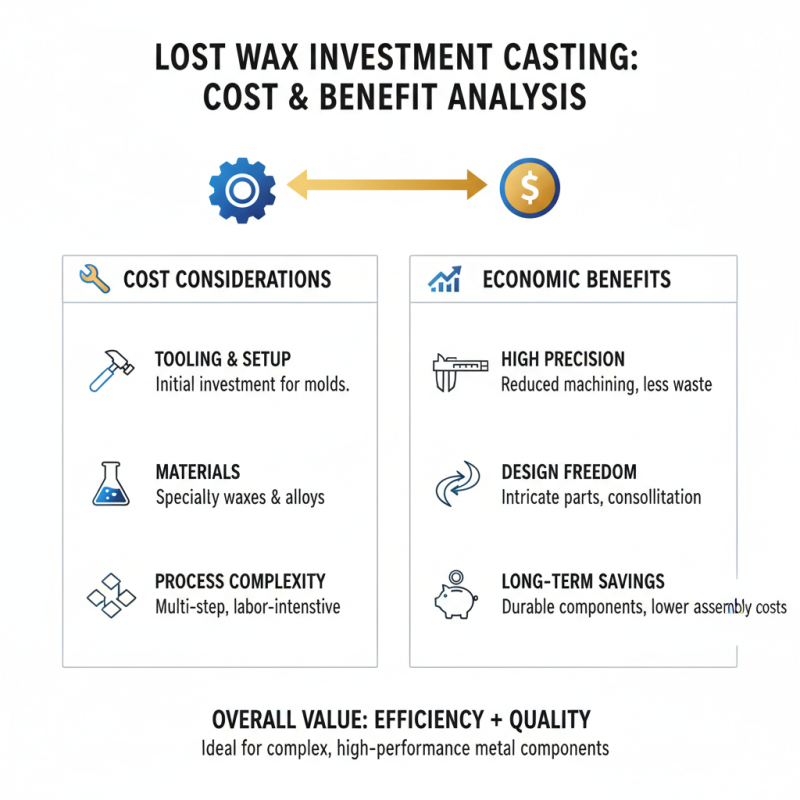
Lost wax investment casting is a precision manufacturing process used widely in various industries. It offers unique advantages that can significantly benefit buyers. One of the key advantages is the ability to produce intricate shapes with high tolerances. According to a report by the American Foundry Society, this method can achieve dimensional accuracy of ±0.005 inches. This precision reduces the need for secondary machining, saving time and costs.
Another important benefit is flexibility in material selection. Lost wax casting works well with metals like stainless steel, aluminum, and titanium, offering diverse options. A study by the Investment Casting Institute highlights that 70% of manufacturers prefer this process for its versatility in metal types, paving the way for innovative applications.
Tips: Always communicate your design requirements clearly. Detailed specifications help in achieving the best possible outcome. Consider working closely with the foundry during the prototyping phase. This collaboration can enhance the quality of the final product.
Quality can vary among suppliers. Thoroughly assess their capabilities and past performance. Feedback from other clients can provide insights into reliability. By taking these steps, buyers can minimize risks and ensure they receive high-quality products.
Benefits of Lost Wax Investment Casting



 +86 180 0293 5268
 CONTACT Shixin
 CONTACT Shixin
 CONTACT Shixin