2026 How to Master Stainless Investment Casting Techniques?
In the world of manufacturing, mastering techniques in Stainless Investment Casting is crucial for achieving precision. John Smith, a prominent expert in the field, once stated, "Success in Stainless Investment Casting relies on careful attention to detail." This highlights the importance of meticulousness in the casting process.
Stainless Investment Casting involves unique challenges. The choice of alloy affects the final product’s quality. Each step, from pattern creation to melting, requires skill and experience. Even seasoned professionals may overlook minor details. Such oversights can lead to defects that undermine the integrity of the casting.
As we delve into mastering these techniques, it's essential to recognize the learning curve. Mistakes often serve as valuable lessons. Moreover, staying updated with industry advancements can be daunting. Continuous education and practice are vital for anyone aiming to excel in Stainless Investment Casting. Embracing both successes and setbacks builds a deeper understanding of the craft.
Introduction to Stainless Investment Casting Techniques
Stainless investment casting is a sophisticated process used across various industries. It allows for the creation of complex geometries that are both durable and aesthetically pleasing. According to a report by Mordor Intelligence, the investment casting market size is expected to reach $23.5 billion by 2026, driven largely by advancements in stainless steel applications. This technique provides numerous advantages, such as minimal waste and reduced lead times, making it essential for manufacturers.
However, mastering stainless investment casting techniques is not without challenges. Many beginners struggle with achieving dimensional accuracy and surface finish. Even experienced practitioners often face difficulties due to variations in alloy composition. A study from Grand View Research noted that quality inconsistencies can lead to significant financial losses, emphasizing the need for continuous improvement and learning in this field.
Understanding the thermodynamic principles behind the casting process can help mitigate these issues. The metal's flow characteristics and cooling rates are critical. Castings that are not optimized can result in defects like porosity or warping. Regular training and skill development are crucial for everyone involved. Ultimately, mastering this technique demands a blend of technical knowledge and creative problem-solving, pointing to the importance of ongoing education in the industry.
Understanding the Basics of Stainless Steel Materials
Understanding stainless steel materials is crucial for mastering stainless investment casting techniques. Stainless steel alloys are commonly categorized by their compositions. These include a mix of chromium, nickel, and molybdenum. According to industry reports, over 70% of stainless steel used is austenitic. These grades exhibit excellent corrosion resistance, but they can be challenging to cast.
The mechanical properties of stainless steel play a significant role in casting. Factors like tensile strength and ductility vary widely. For instance, Type 316 stainless steel is often preferred for its superior toughness. However, high alloy content can lead to casting defects. Reports indicate that up to 30% of stainless castings may fail quality inspections. This highlights the need for thorough understanding and careful selection of materials.
Heat treatment is often necessary for stainless steel after casting. This process can affect hardness and strength. Many engineers still struggle with the right tempering techniques. Inconsistencies in heating can result in unwanted brittleness. A reported 15% of castings experience cracking due to improper heat treatment. These challenges underline the importance of mastering the basics of stainless steel materials for successful casting projects.
Step-by-Step Process of Investment Casting
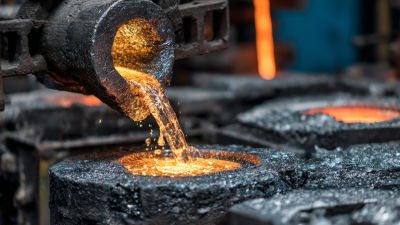
Investment casting is a fascinating technique for creating precise metal parts. The process begins with a wax pattern, which forms the basis of the final product. This pattern is coated with a ceramic material, resulting in a shell that defines the desired shape. After heating, the wax melts away, leaving a hollow shell ready for metal pouring.
Once the metal is poured into the shell, there's an essential waiting period for cooling. This phase often requires careful temperature management. Overcooling can lead to imperfections in the final cast. After cooling, the shell is broken away to reveal the metal part. Herein lies the challenge: removing the shell without damaging the intricate surfaces of the casting requires skill.
Finishing is a crucial step that can make or break the final product. This involves grinding, polishing, and sometimes machining to achieve the desired surface quality. Yet, common mistakes can happen. Over-polishing can lead to loss of detail. Successful investment casting demands practice, patience, and a keen eye for detail. Embracing imperfections and learning from them is part of the mastery journey.
Common Challenges and Solutions in Stainless Casting
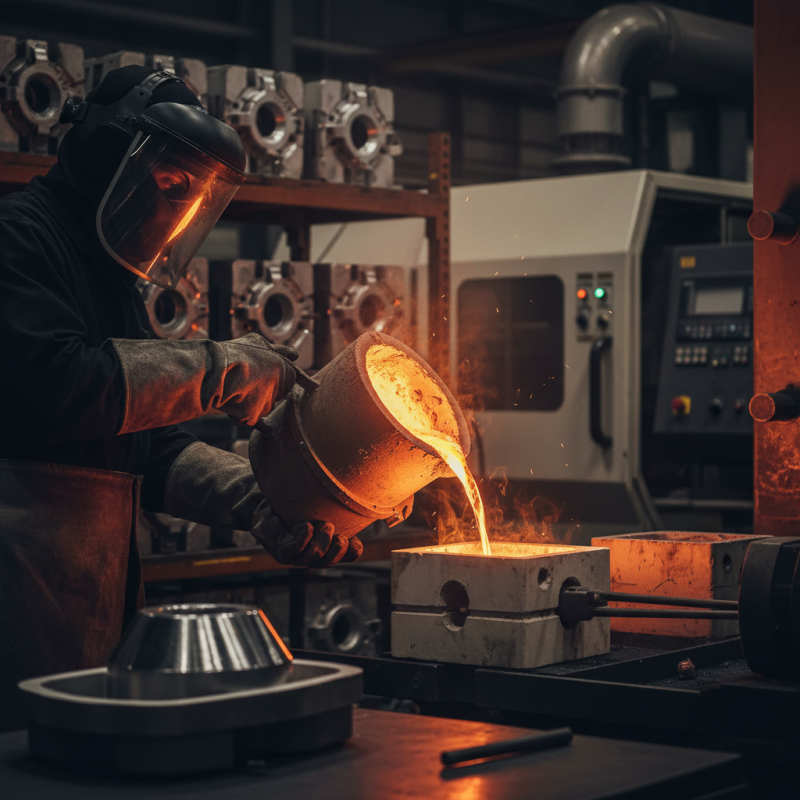
Stainless investment casting has become a popular method for producing complex metal parts. However, it is not without its challenges. One common issue is improper mold design. If the mold does not allow for adequate venting, trapped air can lead to defects. Designers must focus on airflow to improve the final product. Venting solutions can sometimes seem trivial but they play a crucial role in quality.
Another significant challenge is dimensional accuracy. Parts often shrink during cooling, and this can result in discrepancies. It's essential to account for these changes during the design phase. Many engineers overlook this aspect, leading to costly revisions later. Testing prototypes can reveal these issues early, saving time and resources.
Finally, surface finish is crucial in stainless casting. Inconsistent finishes can affect both aesthetic appeal and functionality. Operators may skip necessary polishing processes due to time constraints. This can lead to feedback from clients and rework later. Regular training on surface treatment techniques can help mitigate this problem. Addressing these challenges early on ensures smoother operations and higher-quality outcomes.
Best Practices for Quality Control in Investment Casting
Quality control in stainless investment casting is critical. According to recent industry reports, up to 30% of castings may fail due to flaws. Understanding best practices can help reduce this risk. Inspections are crucial during different stages. Implementing visual inspections and ultrasonic testing can catch early defects.
Process parameters must be strictly monitored. Temperature control, mold preparation, and drying times must align with specifications. A mere 5 degrees variation in temperature can lead to significant defects. Consistent training of operators is vital. Well-trained staff can identify issues quickly, minimizing production waste. Investing in staff development pays dividends in the long run.
However, challenges remain. Occasionally, even well-established casting practices lead to unpredictable defects. Variability in metal quality can result in unexpected outcomes. Exploring advanced technologies, such as AI for predictive maintenance, might enhance reliability. Continuous improvement in quality control processes is essential, but it requires constant evaluation and adaptation to new data.



 +86 180 0293 5268
 CONTACT Shixin
 CONTACT Shixin
 CONTACT Shixin