Top Precision Machining Parts for Enhanced Manufacturing Efficiency?
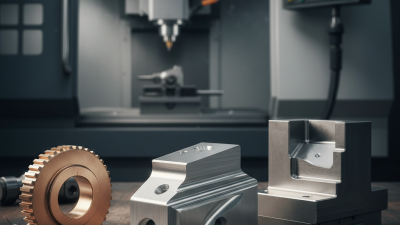
In today’s fast-paced manufacturing landscape, precision is paramount. Companies are striving for enhanced efficiency and quality. Precision Machining Parts play a critical role in achieving these goals. They provide unmatched accuracy and reliability, which are essential for modern production techniques.
These parts are designed with meticulous detail and advanced technology. They ensure that every component fits perfectly, reducing waste and time. Yet, reliance on precision machining isn’t without challenges. Not all manufacturers fully understand the intricacies involved in producing high-quality parts. Sometimes, the lack of knowledge can lead to subpar results.
Investing in precision machining requires a thorough understanding of materials and processes. As manufacturers seek to enhance their efficiency, they must consider their specific needs. Finding the right supplier who understands the complexities of precision machining parts is vital. This choice can determine the success of their manufacturing processes and overall product quality.
Key Characteristics of Precision Machining Parts
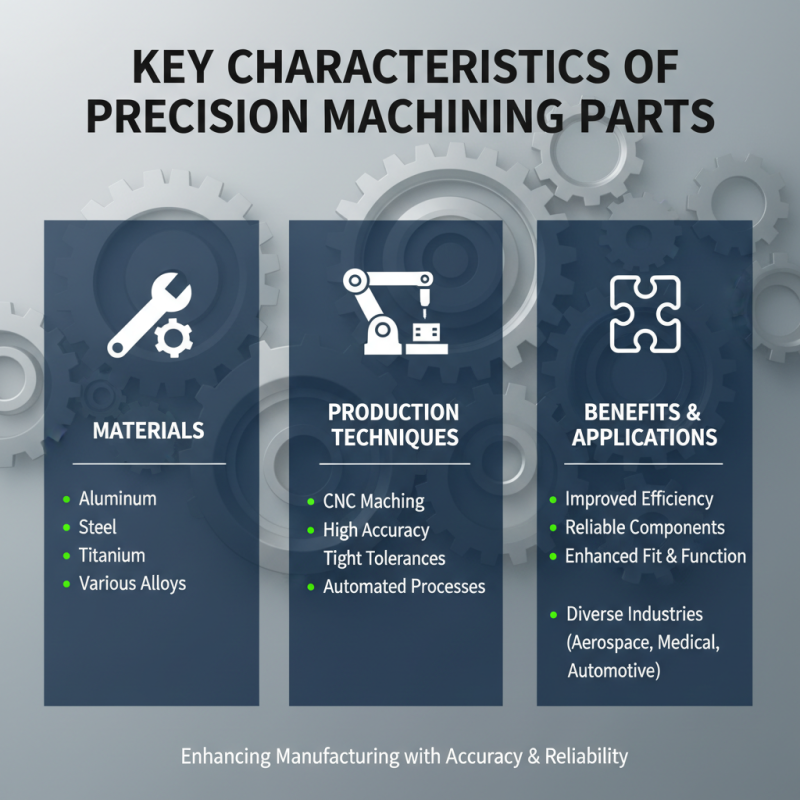
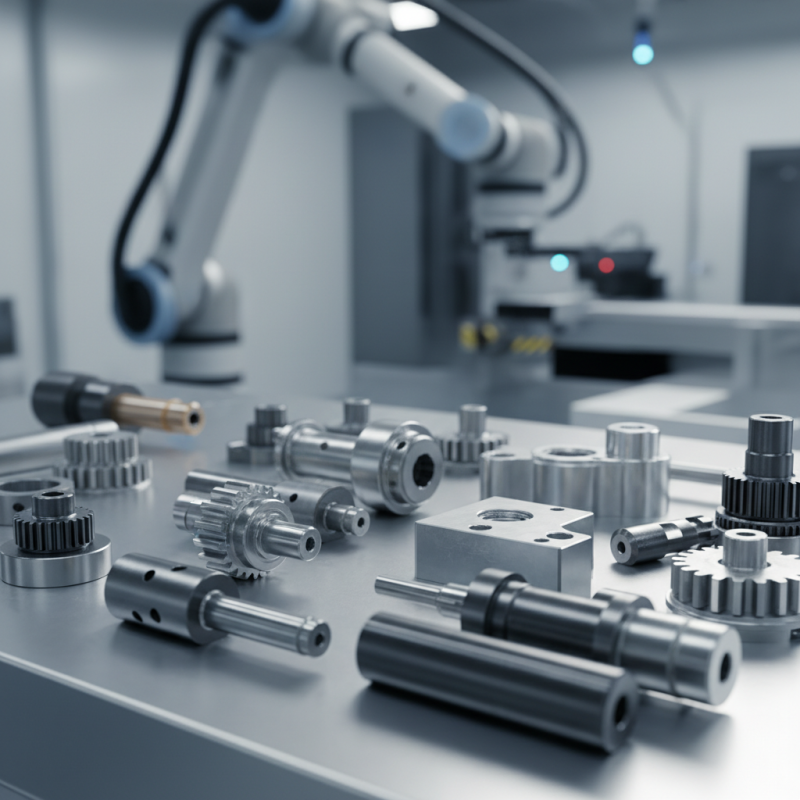
Precision machining parts are essential for enhancing manufacturing efficiency. These parts are often made from materials like aluminum, steel, or titanium. Their production involves techniques such as CNC machining, which ensures high accuracy. This process improves the fit and function of components, making them reliable for various applications.
Key characteristics of precision machining parts include tight tolerances and superior surface finishes. Tolerances can be as tight as ±0.001 inches. This level of precision enables better assembly and reduced wear over time. Surface finishes also contribute to performance. A smooth finish minimizes friction, which can enhance the lifespan of parts.
However, achieving such precision can be challenging. Variations in tools, material inconsistencies, or even machine calibration can lead to flaws. Continuous monitoring and quality checks are necessary but can strain resources. Yet, the benefits of precision parts often outweigh these challenges. They can lead to fewer production errors and ultimately cost savings for manufacturers.
Types of Precision Machining Processes and Their Applications
Precision machining involves various processes that enhance manufacturing efficiency. This sector relies on techniques like CNC machining, turning, and milling. Each method serves distinct purposes and applications. CNC machining is highly popular. It offers intricate designs and high repeatability. This is crucial for industries requiring precision components.
Turning is another essential process. It shapes materials by rotating them against cutting tools. This method is effective for cylindrical parts. It can produce items like shafts or custom fittings. These components are vital for mechanical assemblies and automotive applications. The flexibility of turning can lead to efficient production runs.
Milling, too, plays a significant role in precision machining. Utilizing rotary cutters, it removes material from a workpiece. This allows for complex shapes and features. While milling can be resource-intensive, the results are often worth the effort. Balancing efficiency and precision is not always straightforward. Manufacturers must assess the trade-offs carefully to achieve optimal results.
Materials Commonly Used in Precision Machining
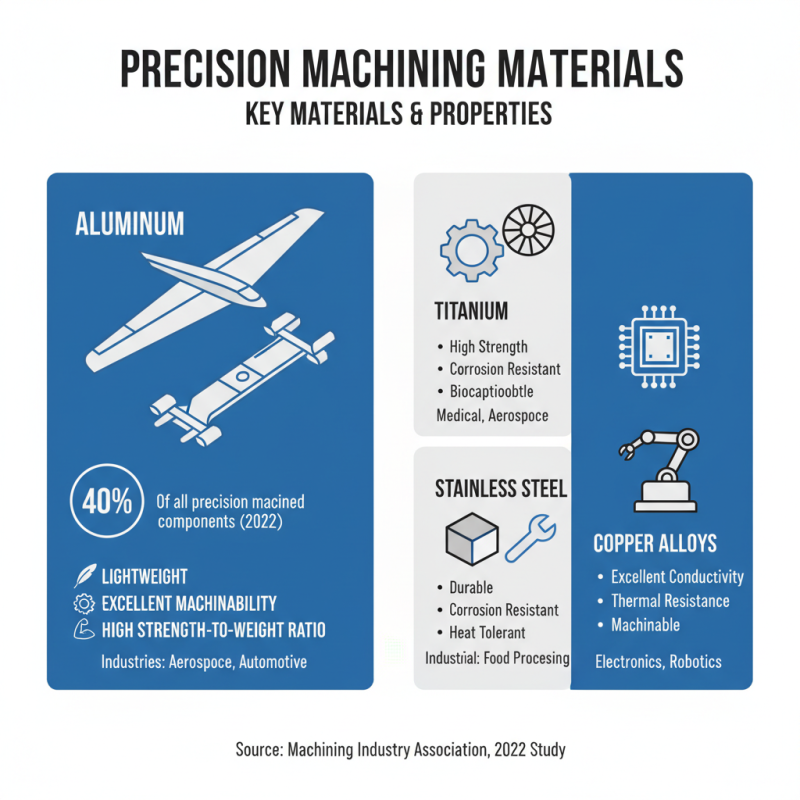
Precision machining relies heavily on various materials, each with unique properties that enhance manufacturing efficiency. Aluminum, for instance, is widely favored for its lightweight nature and excellent machinability. According to a 2022 study by the Machining Industry Association, aluminum accounts for nearly 40% of precision machined components. Its high strength-to-weight ratio makes it ideal for industries such as aerospace and automotive.
Steel remains a staple in precision machining due to its durability and versatility. Tool steel and stainless steel are used extensively in high-stress applications. Reports indicate that 35% of precision parts are crafted from different steel grades. These materials are favored for their hardness and resistance to deformation, although they require careful handling to avoid tool wear.
However, not all materials are without challenges. For example, titanium is gaining traction owing to its strength and corrosion resistance. Yet, its machining can be problematic due to the high cutting forces needed and potential for tool damage. Balancing the choice of material with machining capabilities is crucial for manufacturers. Understanding the properties of materials can lead to improved production efficiency, but it also requires continual assessment of methods and processes in the precision machining landscape.
Advantages of Precision Machining in Manufacturing Efficiency
Precision machining is pivotal in enhancing manufacturing efficiency. This process enables the creation of highly accurate parts, which significantly reduces waste. According to industry reports, companies utilizing precision machining can achieve up to a 30% reduction in material waste. This not only saves costs but also contributes to more sustainable manufacturing practices.
A key advantage of precision machining is its ability to produce intricate designs. Complex components can be manufactured with tight tolerances. Reports indicate that such precision can improve product lifespan by up to 25%. These improvements help manufacturers meet rising consumer demands for high-quality products.
**Tip:** Always assess your machining capabilities. Not every production run requires extreme precision. Balancing cost and accuracy is essential.
Moreover, precision machining can reduce the time needed for assembly. Parts that fit perfectly minimize the hassle of adjustments during assembly. This efficiency can lead to faster production cycles, ultimately enabling quicker go-to-market times. However, it’s crucial to review whether the investment in advanced technologies pays off in efficiency gains.
**Tip:** Consider training staff on new machinery. Skill gaps can lead to inefficiencies, undermining the benefits of upgraded equipment.
Future Trends in Precision Machining Technology
The landscape of precision machining technology is evolving rapidly. Industry reports suggest that automation and advanced tooling will significantly enhance manufacturing efficiency. For instance, around 70% of manufacturers are expected to adopt advanced robotics by the end of 2025. This shift could reduce production time and minimize human error.
Another emerging trend is the use of data analytics in machining processes. By leveraging machine learning, companies can analyze production data to improve precision. A recent study indicated that organizations employing these technologies have increased their operational efficiency by up to 30%. However, the integration of such technologies is not without challenges. Many companies still struggle with the high initial investment and the need for skilled workers.
In addition to automation and analytics, sustainable practices are gaining traction. Reports show that about 50% of precision manufacturers are looking into eco-friendly materials. This trend not only meets regulatory demands but also resonates with environmentally conscious consumers. However, transitioning to sustainable alternatives can increase production complexity and costs. The balance between efficiency, cost, and sustainability remains a critical area for reflection.
Top Precision Machining Parts for Enhanced Manufacturing Efficiency
| Part Type |
Material |
Tolerances (mm) |
Applications |
Future Trends |
| CNC Machined Components |
Aluminum |
±0.01 |
Automotive, Aerospace |
Increased automation |
| Die-Cast Parts |
Zinc Alloys |
±0.02 |
Consumer Electronics |
3D printing integration |
| Precision Gears |
Steel |
±0.005 |
Robotics, Machinery |
Smart manufacturing |
| Hydraulic Parts |
Cast Iron |
±0.03 |
Heavy Equipment |
AI-driven quality control |
| Optical Components |
Glass |
±0.01 |
Medical Devices |
Advanced coatings technology |



 +86 180 0293 5268
 CONTACT Shixin
 CONTACT Shixin
 CONTACT Shixin