Top Steel Casting Parts for Global Buyers in 2026?
The demand for Steel Casting Parts is expected to surge in 2026. As industrial sectors evolve, buyers seek high-quality components that ensure durability and performance. Key markets include automotive, aerospace, and heavy machinery. These industries heavily rely on the precision offered by steel casting.
However, challenges persist in the production of Steel Casting Parts. Manufacturers face pressure to reduce costs while maintaining quality standards. Issues like supply chain disruptions and raw material price fluctuations complicate this landscape. Buyers need to remain vigilant about sourcing reliable suppliers to mitigate risks.
The evolution of technology plays a significant role in steel casting. Innovations in casting techniques enhance efficiency and reduce waste. Yet, the industry must embrace these advancements while reflecting on the importance of sustainable practices. Commitment to quality and sustainability will define successful suppliers in this competitive market.
Top Steel Casting Parts for Global Buyers in 2026: Overview
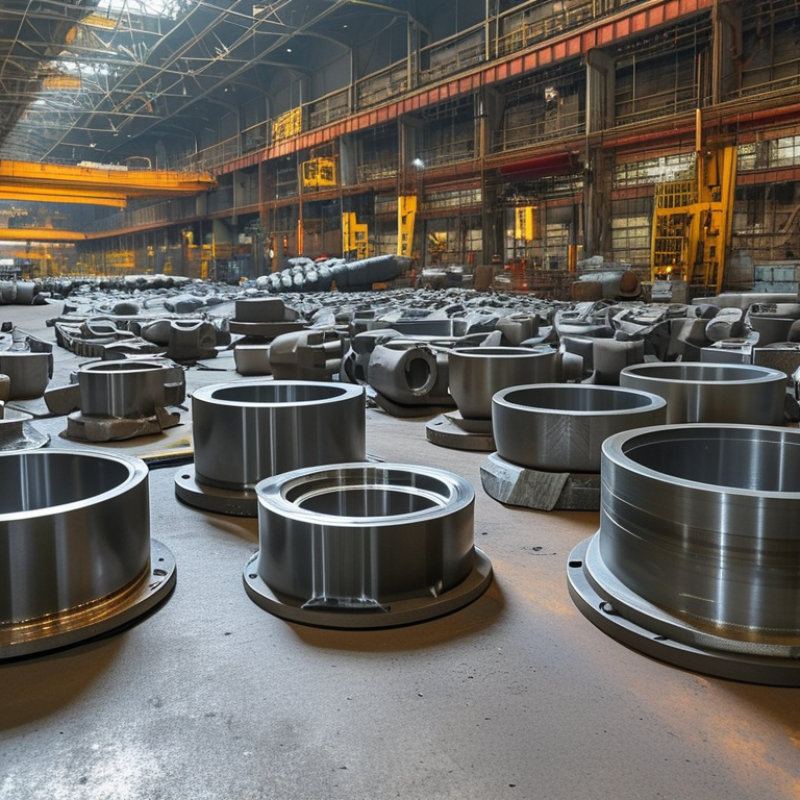
As global demand for steel casting parts grows, understanding market needs becomes crucial. In 2026, the emphasis will be on precision, durability, and efficiency. These components are vital in various industries, from automotive to machinery. Buyers must focus on sourcing parts that meet strict quality standards while also considering production efficiency.
Attention to detail is essential. Manufacturers must ensure their processes allow for customization and adaptability. Steel casting can address specific engineering challenges, increasing competitiveness. However, a commitment to continuous improvement is necessary. Identifying areas for enhancement will cultivate trust and reliability among clients.
Supply chain dynamics will also play a significant role. Buyers should be aware of potential disruptions and seek reliable partnerships. Transparency in sourcing can mitigate risks, fostering stronger relationships. As the landscape evolves, staying informed and adaptable is key for buyers looking to thrive in this industry.
Key Industries Driving Demand for Steel Casting Parts in 2026
In 2026, several key industries will notably boost the demand for steel casting parts. The automotive sector continues to be a primary driver. As electric vehicles rise in popularity, manufacturers require lighter yet durable components. Steel casting parts play a crucial role in achieving this balance. Innovations in design and technology are expected, allowing for better performance under stress.
The energy sector is another significant influence. As countries invest in renewable energy infrastructure, steel castings are essential in wind turbines and solar panels. These components must withstand harsh conditions, ensuring longevity and reliability. High standards in manufacturing are vital, as the energy output relies on the strength of these parts.
Additionally, the construction industry cannot be overlooked. Projects increasingly need robust steel castings for critical infrastructure. From bridges to buildings, these parts are essential for safety and stability. The challenges lie in material selection and production efficiency, prompting ongoing improvements in the casting processes. Emphasizing quality while meeting the surge in demand remains an ongoing struggle.
Factors Influencing Steel Casting Quality and Selection for Buyers
In 2026, global buyers will face various factors influencing steel casting quality and selection. Material properties, manufacturing processes, and cutting-edge technologies play crucial roles in achieving desired results. For instance, the American Foundry Society highlights that proper alloy selection can enhance wear resistance, while advanced casting techniques can lead to reduced production times.
One key factor is the consistency in manufacturing. Variations in temperature can affect the final product's strength and durability. According to a recent report from Deloitte, nearly 30% of production defects arise from temperature fluctuations during casting. Buyers need to assess suppliers' processes to ensure precise temperature controls and quality assurance measures.
When selecting a steel casting provider, buyers should also consider certifications and industry standards. Suppliers that adhere to ISO and ASTM standards often deliver higher-quality products. Look for providers with a transparent quality management system. This not only ensures compliance but also builds trust in their capabilities.
Understanding these factors will help buyers make informed decisions in the ever-evolving global market. Exploring recent trends can also uncover new materials or methods that could improve performance. Prioritize communication with potential suppliers to clarify any uncertainties. Doing so can foster strong partnerships backed by reliability and expertise in the steel casting industry.
Emerging Technologies in Steel Casting Manufacturing for 2026
Emerging technologies in steel casting manufacturing are set to reshape the industry landscape by 2026. Advanced automation and robotics are driving efficiency. Implementing these technologies can significantly reduce production time by up to 30%. Moreover, they minimize material waste during the casting process, aligning with sustainability goals. According to a recent industry report, automated casting processes can lead to a 20% reduction in operational costs.
Additive manufacturing is another transformative trend. This technique allows for the creation of complex geometries that traditional methods cannot achieve. It enhances design flexibility, making it invaluable for customized solutions. Recent data suggests that the global market for additive manufacturing in steel casting could reach $5 billion by 2026, underscoring its growing relevance.
While these advancements hold promise, challenges remain. The adoption of new technologies often requires substantial investment and skilled labor. Companies must also navigate the learning curve involved in integrating these systems. Addressing these issues thoughtfully is essential for long-term success. Balancing innovation with practical execution can ensure that the industry evolves responsibly.
Top Steel Casting Parts for Global Buyers in 2026
| Part Type |
Application |
Material Used |
Technology Trend |
Projected Growth (%) |
| Gearbox Casings |
Automotive |
Alloy Steel |
3D Printing |
15% |
| Pump Housings |
Oil & Gas |
Ductile Iron |
Digital Twin |
10% |
| Valve Bodies |
Industrial Equipment |
Carbon Steel |
IoT Integration |
12% |
| Marine Components |
Shipbuilding |
Stainless Steel |
Robotics |
8% |
| Railway Parts |
Transportation |
High Strength Steel |
Automation |
20% |
Sustainable Practices in Steel Casting: Meeting Global Buyer Expectations
In 2026, the steel casting industry faces a critical challenge: sustainability. As global buyers become more environmentally conscious, the demand for sustainable practices is surging. Steel casting manufacturers must adapt their operations. They should minimize waste and energy usage while maintaining quality.
Implementing recycled materials is one way to meet these expectations. Using scrap steel not only lowers the carbon footprint but also reduces production costs. Many foundries are exploring green energy sources, such as solar or wind power. This transition is not just beneficial for the environment; it can enhance market competitiveness as well.
Still, the industry must grapple with challenges. Adapting to new technologies can be costly. Some companies may resist changing traditional methods. There is also concern about the reliability of new materials. Striking a balance between innovation and proven practices remains a significant hurdle. Steel casting must evolve but also reflect on its core values and capabilities.
Top Steel Casting Parts for Global Buyers in 2026



 +86 180 0293 5268
 CONTACT Shixin
 CONTACT Shixin
 CONTACT Shixin