Top 10 Cnc Machining Parts Buyers Should Know About?
In the world of manufacturing, understanding CNC machining parts is crucial. They play a key role in various industries, including aerospace, automotive, and electronics. According to a recent report by Grand View Research, the global CNC machining market is expected to reach $100 billion by 2025, reflecting its growing importance in production efficiency.
Expert James Parker, a leading authority in CNC machining, once stated, "The quality of CNC machining parts directly impacts product performance." This highlights the need for buyers to know the critical aspects of these parts. Factors such as material selection, precision, and finishing techniques can influence the final product's success.
CNC machining parts are not a one-size-fits-all solution. Buyers often face challenges in sourcing quality components that meet specific requirements. Navigating these complexities requires a comprehensive understanding. With detailed insights and professional guidance, manufacturers can ensure they make informed decisions in this competitive landscape.
Understanding CNC Machining: A Comprehensive Overview
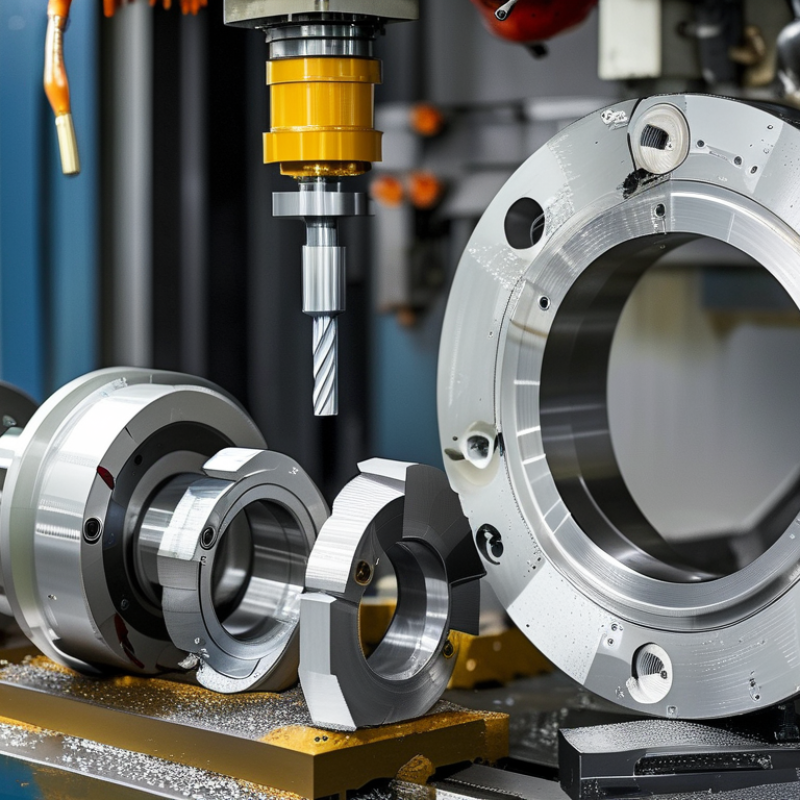
CNC machining is pivotal in industries ranging from aerospace to medical equipment. This technology enables precise shaping of materials. Understanding its key parts can help buyers make informed choices. Various factors influence the selection of CNC machined components.
One critical aspect to consider is material compatibility. Different materials offer distinct benefits. For instance, aluminum is lightweight but may not withstand high stress. Steel, on the other hand, is robust and durable, ideal for demanding applications. These choices affect performance and longevity.
When approaching your CNC machining needs, communication is vital. Clear specifications help manufacturers understand requirements. Share detailed drawings and dimensions. This minimizes errors and ensures accuracy in production.
For buyers, it’s crucial to question everything. Are the tolerances achievable? What’s the usual turnaround time? Addressing these concerns upfront can save time and costs later. Remember, ensuring quality often requires proactive engagement with your suppliers.
Top 10 CNC Machining Parts Buyers Should Know About
| Part Name |
Material |
Application |
Tolerance |
Finish Type |
| Bracket |
Aluminum 6061 |
Aerospace |
±0.01 mm |
Anodized |
| Gear |
Steel |
Automotive |
±0.02 mm |
Black Oxide |
| Housing |
Plastic ABS |
Consumer Electronics |
±0.05 mm |
Matte Finish |
| Connector |
Copper |
Electrical |
±0.01 mm |
Plated |
| Valve Body |
Brass |
Plumbing |
±0.02 mm |
Chromate Coated |
| Spindle |
High Carbon Steel |
Industrial Machinery |
±0.005 mm |
Ground |
| Plate |
Stainless Steel |
Medical Devices |
±0.02 mm |
Electropolished |
| Nozzle |
Aluminum 7075 |
Aerospace |
±0.01 mm |
Blasted |
| Clamp |
Polycarbonate |
Specialty Tools |
±0.03 mm |
Glossy Finish |
| Piston |
Aluminum Alloy |
Automotive |
±0.01 mm |
Anodized |
Key Factors to Consider When Purchasing CNC Machined Parts
When purchasing CNC machined parts, several key factors should guide your decision. Quality assurance is critical. Look for suppliers with ISO certification. This standard indicates a company’s commitment to quality management. In a survey by the International Organization for Standardization, 84% of businesses noted an improvement in operational efficiency after adopting ISO standards.
Price is another crucial factor. The cheapest option may seem appealing, but it might lead to higher costs in the long run. A report from IndustryWeek shows that poor-quality parts lead to an average of 30% increase in total lifecycle costs. Prioritize suppliers that offer a balance between cost and quality.
Lead time plays a vital role too. Delays in delivery can disrupt your production schedule. According to a study by the Institute for Supply Management, companies that manage their lead times effectively see a 20% reduction in downtime. Ask about production timelines upfront to avoid surprises later. Communication with your supplier throughout the process can also help address any potential delays early on.
The Importance of Material Selection in CNC Machining
Material selection plays a critical role in CNC machining. The right materials ensure the durability and functionality of the final product. Aluminum, steel, plastic, and titanium are some common options. Each material has unique properties that can affect the manufacturing process and outcome.
When selecting materials, consider the part's purpose. Will it face high stress or extreme temperatures? Understanding the requirements can guide you toward the best choice. Pay attention to the material’s machinability, strength, and corrosion resistance. These factors impact production efficiency and lifespan.
Tips:
- Always test materials in small batches before mass production.
- Consult with engineering staff for insights on material behavior.
- Keep an eye on evolving materials in the market; they may offer better solutions.
The consequences of poor material choice can be significant. Subpar materials can lead to product failures and increased costs. Therefore, take time to research. Gather information and weigh your options carefully. Continuous learning can improve your material selection process.
Common Types of CNC Machined Parts and Their Applications
CNC machining is crucial in modern manufacturing. It creates precision parts for various industries. Common types of CNC machined parts include brackets, housings, and gears. Each type serves specific applications. For example, aluminum brackets are often used in aerospace. They are known for their lightweight yet durable properties.
According to a report from the International Data Corporation, the CNC machining market is expected to grow by 7.2% annually until 2025. Many industries rely on CNC machined components. Automotive applications frequently utilize gears and shafts for enhanced performance. Aerospace companies depend on manufacturing tolerances that CNC machinery can provide. Engine components often require high precision.
However, it's important to evaluate the quality of CNC parts. Variability in production can impact durability. Not all suppliers adhere to strict quality controls. This inconsistency can lead to problems in critical applications. Buyers should scrutinize certifications and manufacturing processes. Working with experienced CNC experts ensures better insight into potential pitfalls. Understanding these aspects can lead to more reliable machining outcomes.
Evaluating CNC Machining Suppliers: What to Look For
When evaluating CNC machining suppliers, it’s crucial to assess their expertise and reliability. A supplier's experience in the industry often indicates their stability and skill. Look for companies that have been in business for several years. This longevity suggests that they can handle challenges effectively. A proven track record in producing high-quality parts is also essential.
Next, consider the range of services they offer. A capable supplier should provide various machining techniques and materials. This allows you to meet diverse project requirements. Ask about their quality control processes. Understand how they ensure accuracy and consistency in their products. Additionally, engaging with customer reviews can offer insights into their service quality. Satisfied clients usually reflect a supplier's reliability.
Keep in mind that not every supplier will meet your expectations. Some may excel in production but lack communication skills. Others might have great technology but insufficient experience with specific materials. It’s essential to weigh these factors before making a decision. Your choice should not only focus on capabilities but also on how well the supplier aligns with your project goals.
Top 10 CNC Machining Parts Buyers Should Know About



 +86 180 0293 5268
 CONTACT Shixin
 CONTACT Shixin
 CONTACT Shixin