Top CNC Machining Parts for Global Buyers Guide?
In the rapidly evolving landscape of industrial manufacturing, CNC machining parts play a crucial role. According to recent industry reports, the global CNC machining market is projected to reach $100 billion by 2026. This growth stems from increased demand across various sectors, including automotive, aerospace, and healthcare. Precision and efficiency are paramount in these industries, highlighting the importance of high-quality CNC machining parts.
Buyers today require not only accuracy but also reliability in the components they select. For example, well-engineered CNC parts enhance the functionality of complex machinery. However, sourcing these parts can pose challenges. The market is flooded with suppliers, making it tough to distinguish between quality offerings and subpar alternatives. Understanding the specific requirements for different applications becomes vital.
As we delve deeper into the top CNC machining parts globally, it’s essential to acknowledge that not every manufacturer meets industry standards. Flaws in production can lead to costly errors. Therefore, thorough research and a focus on established suppliers help mitigate risks. With this guide, we aim to simplify the procurement process, ensuring buyers make informed decisions in a competitive marketplace.
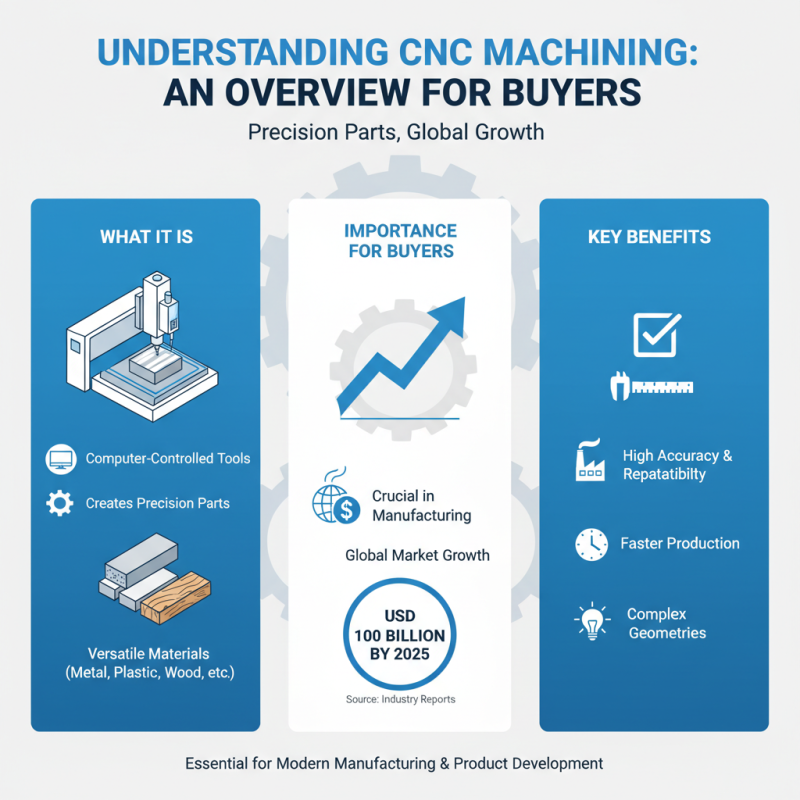
Understanding CNC Machining: An Overview for Buyers
CNC machining is a crucial process in the manufacturing industry. It involves the use of computer-controlled tools to create precision parts from various materials. The global CNC machining market is projected to reach USD 100 billion by 2025, according to industry reports. This growth highlights the importance of understanding CNC machining for global buyers.
One key aspect to consider is material selection. Components can be made from metals, plastics, or composites. Each material type affects the final product's durability, weight, and cost. For instance, aluminum is commonly used for its lightweight properties. However, it may not be suitable for high-stress applications. Hence, consulting experts can guide you in the right direction.
Tips: Always request samples before placing large orders. Evaluating prototypes can save time and money. Additionally, clarify tolerances with your supplier. Inconsistent specifications can lead to significant delays.
Another crucial factor is the machining process itself. It includes turning, milling, and grinding. Understanding these processes helps buyers make informed decisions. Different methods provide varied finishes and precision levels. A thorough understanding of these details allows buyers to avoid potential pitfalls. Remember, effective communication with manufacturers can alleviate many misunderstandings and optimize production.
Key CNC Machining Parts: Types and Functions Explained
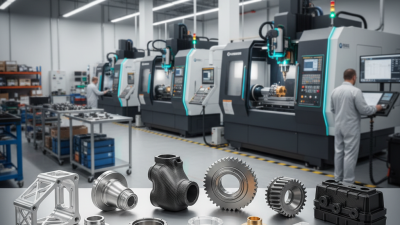
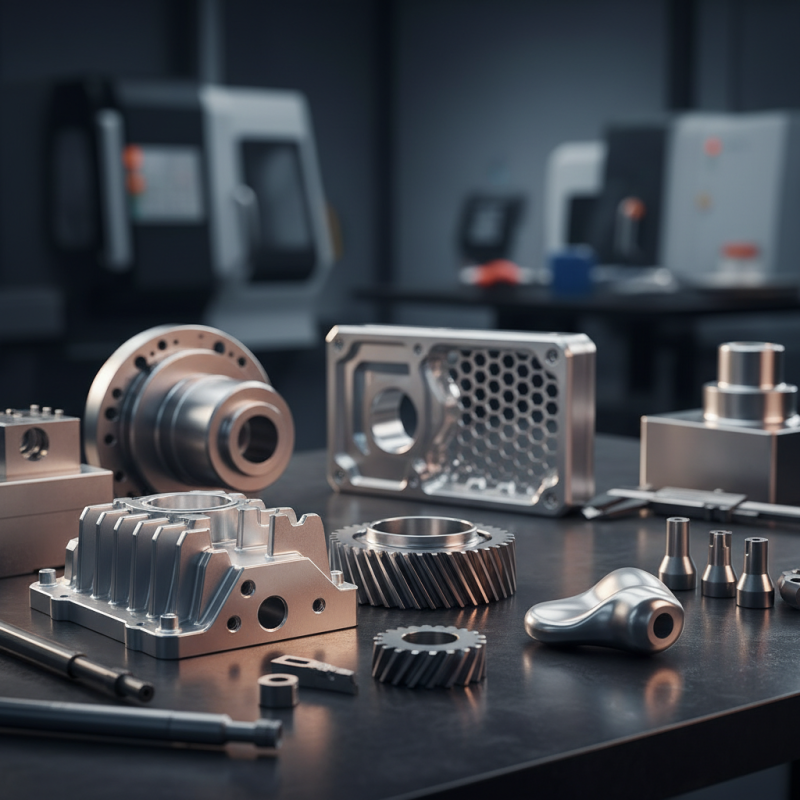
CNC machining parts are essential for many industries. Understanding their types and functions is crucial for buyers. Key components include shafts, housings, and brackets. Each serves a specific role in the overall assembly.
Shafts transfer motion and torque. They are often used in motors and gear systems. Housings provide support and protection for internal components. Durable materials are needed to withstand stress and strain. Brackets hold parts in place, offering stability in various applications.
Selecting the right parts can be challenging. One must assess not only the specifications but also the manufacturing process. Many factors can affect performance. Some parts may not meet the required tolerances, leading to failure. A reflective approach is vital for making informed choices.
Top CNC Machining Parts for Global Buyers Guide
| Part Type |
Material Used |
Common Applications |
Key Functions |
| CNC Machined Components |
Aluminum |
Aerospace, Automotive |
Precision shaping and cutting |
| Gears |
Steel |
Machinery, Automotive |
Power transmission |
| Brackets |
Stainless Steel |
Electronics, Robotics |
Support and positioning |
| Bushings |
Bronze |
Automotive, Manufacturing |
Reduce friction |
| CNC Turned Parts |
Plastic |
Medical Devices, Aerospace |
Complex shapes with tight tolerances |
Selecting the Right Materials for CNC Machining Parts
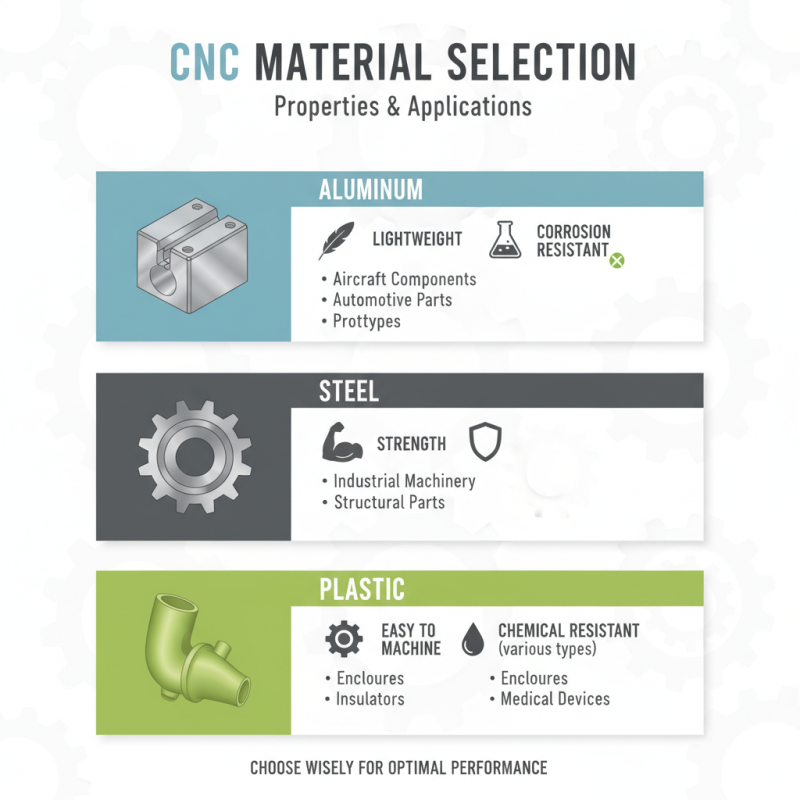
When selecting materials for CNC machining parts, understanding the properties of each material is crucial. Common choices include aluminum, steel, and plastic. Aluminum is known for its lightweight nature and excellent corrosion resistance. Steel offers strength and durability but can be prone to rust. Each material has unique characteristics that affect the machining process and the final product's quality.
Tips: Always consider the part's application. Will it endure high stress? Choose a stronger material like steel. For lightweight applications, aluminum might be the best option.
Plastic is often overlooked but has benefits like flexibility and lower cost. However, it can be less durable under extreme conditions. Not every project is straightforward. Sometimes, the chosen material may not perform as expected. Testing prototypes can help identify any weaknesses early.
Tips: Prototyping reveals hidden challenges. Don’t skip this step. It ensures reliability. Taking time for testing can save costs and time in the long run.
Quality Standards and Certifications in CNC Machining
In the world of CNC machining, quality standards and certifications play a crucial role. Buyers must ensure that the parts they purchase meet international standards. Certifications like ISO 9001 demonstrate a company's commitment to quality management. This is essential for maintaining trust between manufacturers and clients.
Buyers should verify certifications before finalizing contracts. It is not uncommon for vendors to misrepresent their quality standing. Understanding the certification processes can help identify reliable suppliers. Poor quality parts can lead to significant production delays and increased costs. Always request documentation to confirm compliance.
Tips for ensuring quality: Look for suppliers with multiple certifications. This often indicates a well-rounded commitment to quality. Also, consider their track record in the industry. Seeking testimonials can provide insights into their reliability.
Quality assurance should not be taken lightly. Inconsistent machining standards can lead to faulty products. Always keep an eye on your supply chain. Regular audits and inspections can mitigate risks. Developing a strong relationship with your supplier can also yield better outcomes.
Tips for Sourcing CNC Machining Parts from Global Suppliers
When sourcing CNC machining parts from global suppliers, clarity is key. Understanding specific requirements helps streamline the selection process. Begin by identifying the material, size, and precision you need. Each element plays a vital role in ensuring the part meets your standards. Consider the manufacturing processes involved. Different techniques can lead to variations in quality and finish.
Tip: Always request samples before finalizing orders. This step helps assess the supplier's quality. Quality inspection during production can save costs later. Communicating clearly with suppliers avoids misunderstandings. Discuss tolerances and lead times upfront to ensure alignment.
It’s essential to evaluate the supplier’s credentials. Look for certifications that demonstrate industry standards. This verification adds credibility and trust. Nonetheless, not every supplier will meet expectations. Some may lack timely communication or fail on quality checks. Thus, developing a strong relationship with your chosen supplier can lead to better outcomes. Reassessing your suppliers regularly can refine your sourcing strategy.
Top CNC Machining Parts Demand by Region



 +86 180 0293 5268
 CONTACT Shixin
 CONTACT Shixin
 CONTACT Shixin