Top 10 CNC Milling Parts China Buyers Should Know?
CNC milling parts play a crucial role in modern manufacturing. They allow businesses to achieve precision and efficiency. For buyers in China, understanding these parts can be overwhelming. The market is vast, and choices can seem endless. Yet, specific factors can guide you toward the right decision.
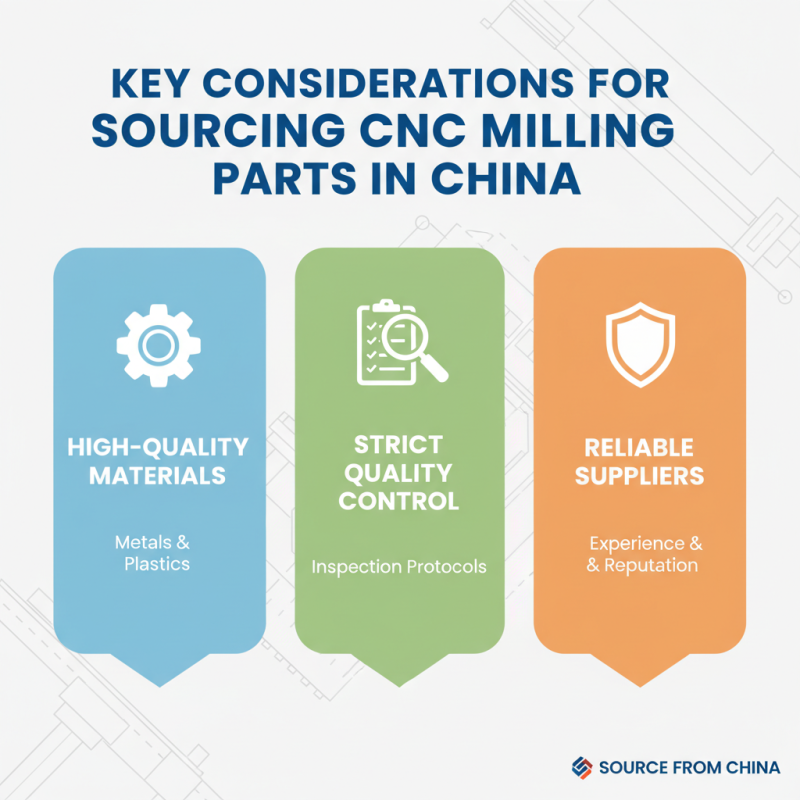
Quality is key. Not all CNC milling parts are created equal. Some suppliers prioritize cost over quality, leading to potential issues. These issues can affect production timelines and ultimately impact your bottom line. Understanding the features and specifications of CNC milling parts helps mitigate risks. A buyer who is informed can better identify reliable suppliers.
Additionally, navigating the landscape involves recognizing reputable brands. Some manufacturers have proven expertise in producing precise CNC milling parts. Others may have limited experience, which could lead to compromising quality. Investing time in research can save you frustrations down the line. Quality might be costly, but poor quality turns expensive quickly.
Essential CNC Milling Parts for Precision Engineering
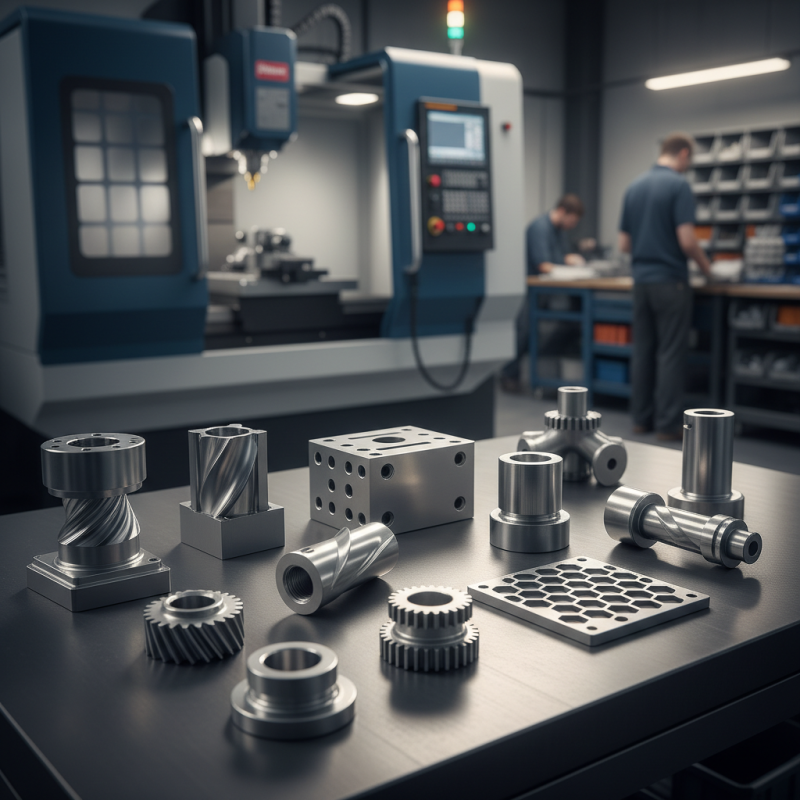
CNC milling is vital for precision engineering. It produces intricate parts with exact specifications. Professionals must select essential milling components carefully. This ensures reliability and performance in manufacturing.
Key CNC milling parts include end mills, cutters, and tool holders. End mills come in various shapes and sizes, enabling versatility in cutting. Cutters are critical for achieving specific geometries. Tool holders maintain the stability of tools during operation. Each component plays a unique role in the machining process. Not all parts are equally effective, so selecting high-quality tools matters.
Understanding the impact of these components can be hard. Sometimes, even experienced engineers overlook minor details. Tool wear and maintenance are common issues. Regular checks on tools can prevent unexpected downtime. Precision engineering demands diligence and attention to detail. Emphasizing proper selection and upkeep can greatly enhance outcomes.
Top Industries Utilizing CNC Milling Parts from China
CNC milling parts are essential in various industries, with significant demand stemming from sectors such as aerospace, automotive, and medical. These industries leverage precise machining for components that require high accuracy and durability. According to a recent report by MarketsandMarkets, the CNC machining market is expected to reach $100 billion by 2026, reflecting a robust growth rate of around 6% annually. This underscores the increasing reliance on CNC milling in production processes.
In aerospace, components like turbine blades and structural elements often utilize CNC milling, ensuring safety and performance standards. The automotive industry also heavily depends on CNC parts for engine components and transmission systems. A report by Deloitte notes that 60% of manufacturers in the automotive sector are investing in advanced machining technologies to increase efficiency. In the medical field, custom implants and surgical instruments need precision. The trends reveal that almost 45% of medical device manufacturers are prioritizing CNC machining to meet compliance and quality.
However, it’s crucial to recognize the challenges within these sectors. Quality control can be an ongoing issue, particularly with parts that demand both precision and reliability. Companies often face difficulties in maintaining consistent quality across batches. Furthermore, while the demand for CNC milling parts is rising, manufacturers must adapt to evolving technologies and customer expectations. Keeping pace with these changes is not always straightforward and requires ongoing investment and training.
Top 10 CNC Milling Parts China Buyers Should Know
| Part Name |
Material |
Typical Industries |
Applications |
Quantity (Units) |
| Gear |
Steel |
Automotive |
Transmission Systems |
5000 |
| Bracket |
Aluminum |
Electronics |
Mounting Components |
3000 |
| Shaft |
Stainless Steel |
Machinery |
Rotational Components |
2000 |
| Plate |
Mild Steel |
Construction |
Structural Uses |
1500 |
| Cover |
Plastic |
Consumer Goods |
Protective Housing |
4000 |
| Piston |
Aluminum |
Aerospace |
Engine Components |
700 |
| Gearbox Housing |
Cast Iron |
Automotive |
Protection for Gears |
600 |
| Valve |
Copper Alloy |
Oil & Gas |
Flow Control |
800 |
| Bracket |
Titanium |
Medical |
Surgical Applications |
1000 |
| Tubes |
Carbon Fiber |
Sports Equipment |
Lightweight Structures |
500 |
Factors Influencing the Quality of CNC Milling Parts
CNC milling parts are essential in various industries. The quality of these parts depends on several factors. Material selection plays a vital role. Using high-grade materials ensures durability and performance. Poor material can lead to defects, affecting the overall product.
Precision in machining is crucial. Advanced CNC machines offer better precision and repeatability. However, operators must be skilled. Lack of expertise can introduce errors, resulting in subpar components. Regular maintenance of machines is also necessary. Neglecting equipment care can compromise quality.
Surface finish is another factor. A smooth finish enhances functionality and aesthetics. Different treatments can improve toughness and corrosion resistance. Inconsistent surface quality may lead to customer dissatisfaction. It’s important to review each production batch carefully. Attention to these details ensures that quality remains high.



 +86 180 0293 5268
 CONTACT Shixin
 CONTACT Shixin

 CONTACT Shixin