Top 10 Metal Parts Manufacturing Companies in China Today?
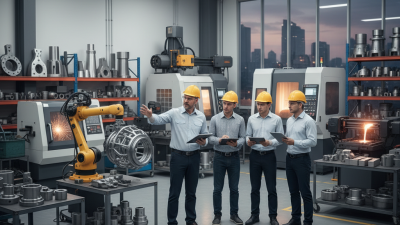
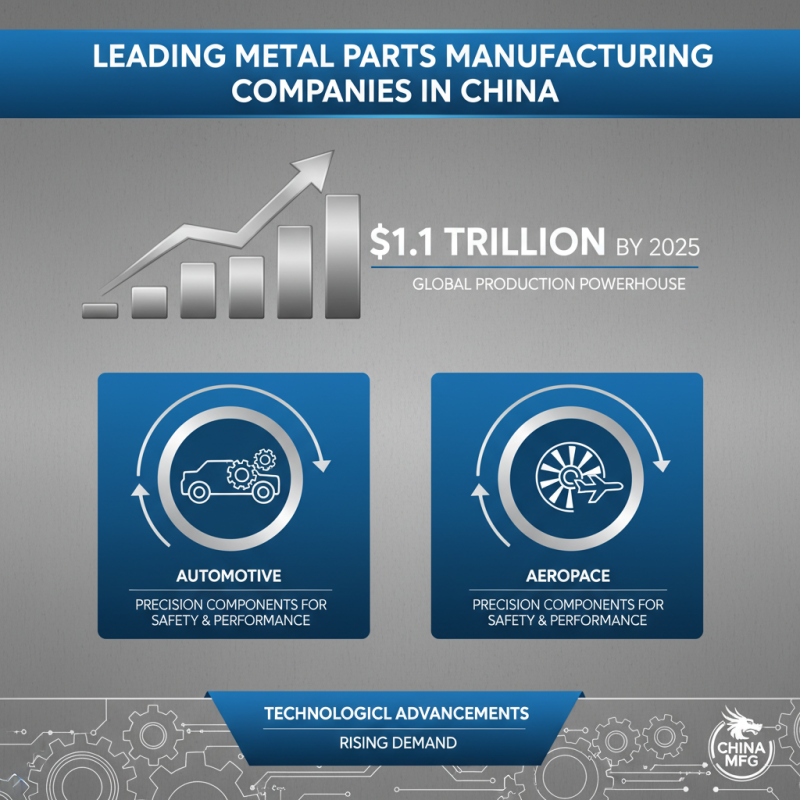
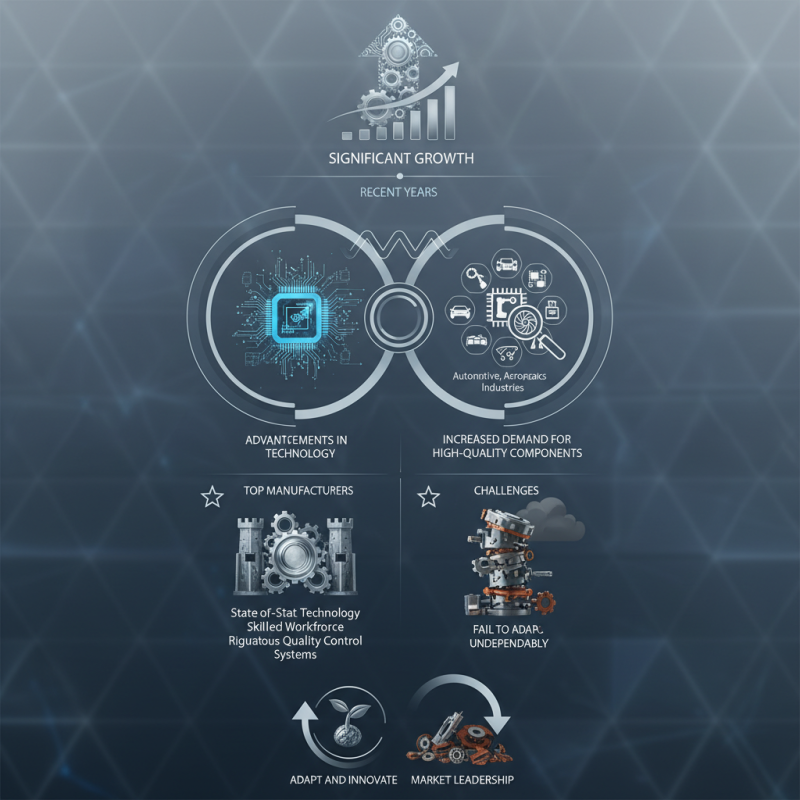
In recent years, the metal parts manufacturing industry in China has seen significant growth. This boom can largely be attributed to advancements in technology and an increase in demand for high-quality components. Many companies now specialize in producing a wide range of metal parts for various industries, including automotive, aerospace, and electronics.
Understanding which companies excel in this field is crucial for businesses seeking reliable partners. The top manufacturers in China are known for their state-of-the-art technology and skilled workforce. These companies implement rigorous quality control systems to ensure the products meet international standards. However, not all companies maintain this level of excellence. Some struggle with consistency and dependability, raising questions about their long-term viability.
As we explore the leading metal parts manufacturing companies in China today, it is essential to consider their strengths and areas for improvement. Companies that adapt and innovate will likely lead the market, while those that do not may face challenges. This overview aims to highlight both the successes and shortcomings in the industry, emphasizing the importance of continuous development and oversight.
Overview of Metal Parts Manufacturing in China
Metal parts manufacturing in China has seen robust growth. The country is now a global leader in this sector, thanks to its advanced technology and skilled labor force. Industries ranging from automotive to aerospace rely on these metal components for various applications. High precision and durability are crucial features that customers seek in metal parts.
To thrive in this competitive market, manufacturers must focus on quality and efficiency. Investing in modern machinery and techniques is essential. Emphasizing a streamlined production process can significantly reduce costs. Regular training for workers enhances both skills and productivity.
Tips: Quality control is vital. Every metal part must meet rigorous standards. Companies should regularly audit their processes to ensure compliance. Customer feedback is another valuable asset. Listening to clients can lead to improvements in product design and functionality. Continuous adaptation is necessary as market demands change.
Top 10 Metal Parts Manufacturing Companies in China Today
| Company Location |
Year Established |
Number of Employees |
Production Capacity (units/year) |
Main Products |
| Shenzhen |
2001 |
350 |
500,000 |
CNC Machined Parts |
| Shanghai |
1998 |
600 |
1,200,000 |
Metal Stamping Components |
| Guangzhou |
2010 |
200 |
300,000 |
Welded Assemblies |
| Hangzhou |
2005 |
400 |
700,000 |
Die-Casting Parts |
| Beijing |
2000 |
500 |
1,100,000 |
Precision Turned Parts |
| Nanjing |
2003 |
250 |
400,000 |
Forged Components |
| Suzhou |
2015 |
150 |
200,000 |
Machining Fixtures |
| Chengdu |
2008 |
300 |
600,000 |
Custom Fabricated Parts |
| Xi'an |
2012 |
180 |
350,000 |
Sheet Metal Parts |
| Wuhan |
2016 |
220 |
250,000 |
Industrial Metal Parts |
Key Factors Driving the Growth of Metal Parts Industry
The metal parts industry in China is witnessing remarkable growth. Several factors contribute to this expansion. The rising demand for automotive and aerospace components drives manufacturers to innovate continuously. Companies focus on enhancing precision and quality. This shift demands advanced machinery and expert knowledge.
Another key factor is the implementation of automation. Automated processes reduce costs and improve efficiency. Manufacturers are investing in robotics and AI technologies. These tools allow for high-volume production with minimal errors. Quality control remains a priority, making sure that every part meets stringent standards.
Sustainability also plays a crucial role in shaping the industry. More companies are adopting eco-friendly practices. This shift helps reduce waste and lower carbon footprints. However, the transition is not without challenges. Developing sustainable methods requires investment and time. The push for greener solutions invites both opportunity and reflection on current practices.
Comparative Analysis of Manufacturing Capabilities
In the dynamic landscape of manufacturing, evaluating metal parts companies in China reveals varied capabilities. Certain firms excel in precision machining, while others focus on high-volume production. This variance leads to diverse applications across industries, including automotive and aerospace.
When comparing manufacturing capabilities, one must consider the technology employed. Advanced CNC machines significantly enhance precision and efficiency. However, not every company invests equally in equipment upgrades. This discrepancy can impact product quality and lead times. Watch out for companies boasting cutting-edge technology without transparent documentation of their processes.
**Tips**: Always request samples before placing large orders. This allows for quality verification. Also, visit production facilities if possible. A physical inspection can reveal operational strengths and weaknesses.
In terms of workforce expertise, knowledge is key. Skilled labor enhances production quality but is not universally available. Companies with ongoing training programs often outperform others. However, finding qualified personnel can be a challenge in some regions. Assessing a company’s commitment to workforce development is crucial.
Comparative Analysis of Metal Parts Manufacturing Capabilities in China
Future Trends in China's Metal Parts Manufacturing Sector
The future of China's metal parts manufacturing sector is poised for significant transformation. Rapid advancements in technology are reshaping production methods. Automation and artificial intelligence are becoming integral. Factories are increasingly embracing smart manufacturing solutions. This transition aims to improve efficiency and reduce costs.
Challenges do persist. The reliance on outdated machinery can hinder progress. Many firms struggle with workforce adaptation to new technologies. Workers need continuous training to keep pace with innovations. Additionally, quality control remains a critical concern as production scales up. Ensuring that every part meets rigorous standards is vital for maintaining global competitiveness.
Sustainability is another crucial trend. Companies are seeking greener practices in their operations. This includes reducing waste and improving energy use. However, implementing these measures can be a complex process. Balancing economic growth with environmental responsibility is essential for long-term success. As the sector evolves, it must address these evolving challenges while embracing the opportunities that lie ahead.



 +86 180 0293 5268
 CONTACT Shixin
 CONTACT Shixin

 CONTACT Shixin