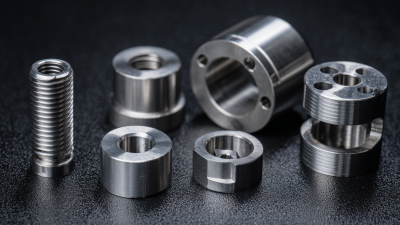
Top Quality Cnc Milling Parts for Global Buyers?
In today's competitive manufacturing landscape, the demand for high-quality CNC milling parts is on the rise. Industry expert Dr. Emily Johnson emphasizes, "Precision and quality are the cornerstones of successful CNC milling." As global buyers seek reliable suppliers, understanding the nuances of CNC milling parts becomes essential. These components are critical in various sectors, from automotive to aerospace.
CNC milling involves intricate processes that demand both skill and advanced technology. The quality of these parts can greatly influence the performance and durability of the final product. However, not all suppliers adhere to strict quality standards. Some might offer lower prices but compromise on precision. This variation can lead to significant challenges, including production delays and increased costs.
Navigating the market for CNC milling parts requires careful consideration. Buyers must evaluate potential suppliers based on their experience and trustworthy credentials. A commitment to quality and attention to detail can make a substantial difference. As Dr. Johnson warns, overlooking these factors might result in purchasing parts that ultimately fail to meet expectations.
Top Quality CNC Milling Parts: An Overview
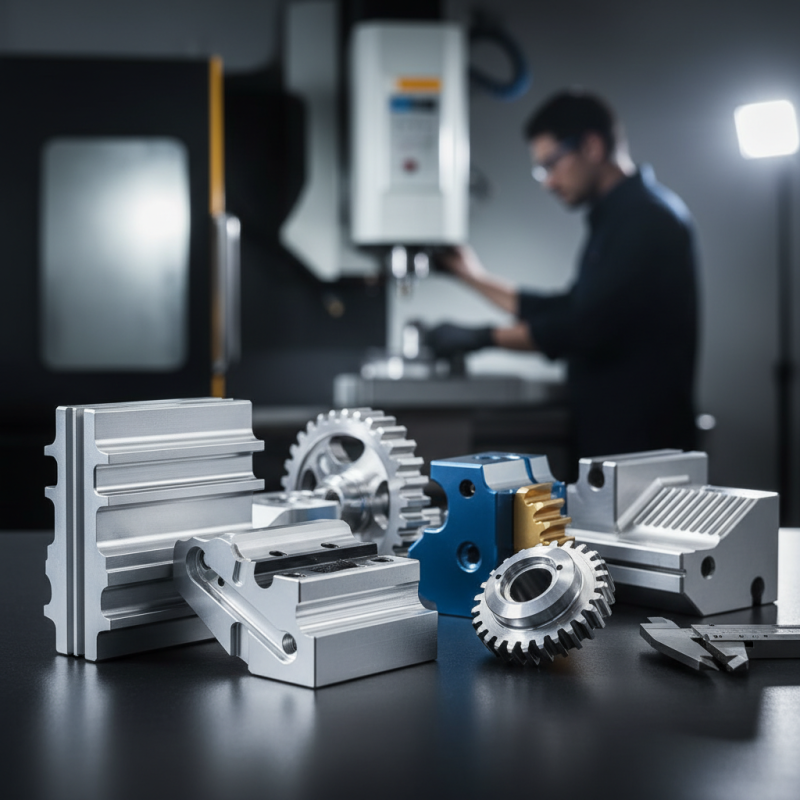
CNC milling parts play a crucial role in modern manufacturing. The precision and versatility of these components make them essential for various industries. Buyers worldwide recognize the importance of high-quality milling parts. These components must meet strict standards for performance and durability.
Quality in CNC milling is not just about advanced machinery. It also involves skilled technicians who understand the nuances of material properties. Each part requires careful design and consideration. Even a small error can lead to failures in final products. Therefore, buyers should seek suppliers who prioritize both technology and craftsmanship.
Understanding the manufacturing process is vital. Each step, from material selection to final inspection, impacts quality. Global buyers must consider different production capabilities. Not all regions have the same access to advanced technology. It's essential to evaluate suppliers based on their expertise and reliability. Inconsistencies in quality can lead to significant setbacks and lost opportunities.
Characteristics of High-Quality CNC Milling Components
CNC milling components are essential for various industries. High-quality parts enhance durability and performance. These components usually exhibit precision in design. Strong materials are crucial to withstand stress. Often, users focus on dimensional accuracy and surface finish.
A key factor is the manufacturing process. Advanced CNC techniques reduce errors. However, not all processes achieve the same standards. Some producers overlook quality control steps. This can lead to inconsistencies in parts. Regular inspection can mitigate such risks.
Another characteristic is compatibility with different machines. High-quality parts fit various applications seamlessly. Buyers need to ensure they meet specific requirements. Testing parts before full-scale production is advisable. This can reveal potential issues early. Sometimes, even minor imperfections can affect overall function. Continuous improvement in the design and production processes is vital.
Key Factors to Consider When Sourcing CNC Milling Parts
When sourcing CNC milling parts, several key factors warrant attention. Understanding material specifications is crucial. Different materials, such as aluminum or plastic, influence performance and cost. Buyers must evaluate their specific requirements to avoid future complications.
Another important aspect is the manufacturer’s capabilities. It’s not just about production volume. The precision of their machinery and the experience of their staff matter significantly. Poor workmanship can lead to defects. It’s wise to request samples or prototypes to assess quality firsthand.
Also, consider communication and support. A responsive supplier can make a significant difference. Delays and misunderstandings can derail projects. Sometimes, a less experienced supplier might offer lower prices but pose risks. Evaluating these trade-offs can prevent larger issues later on. Each choice made during this process impacts the final product and overall satisfaction.
Top Quality CNC Milling Parts for Global Buyers - Key Factors to Consider When Sourcing CNC Milling Parts
| Criteria |
Importance |
Notes |
| Material Quality |
High |
Ensure materials meet industry standards for durability. |
| Precision and Tolerance |
Critical |
Tighter tolerances lead to better fitting parts. |
| Production Capacity |
Moderate |
Check if the supplier can handle your volume needs. |
| Lead Time |
High |
Shorter lead times are preferable for rapid production. |
| Cost |
Moderate |
Balance between cost and quality is essential. |
| Supplier Reputation |
Critical |
Research previous customer feedback and reviews. |
Global Suppliers: Leading Markets for CNC Milling Technology
CNC milling technology has revolutionized the manufacturing sector worldwide. It offers precision and efficiency for producing high-quality parts. Leading markets for CNC milling technology include North America, Europe, and parts of Asia. These regions are not only consumers but also innovators in CNC capabilities. They focus on advanced techniques and high-grade materials to meet diverse demands.
Tips: When sourcing CNC milling parts, consider suppliers with certifications. This ensures adherence to quality standards. Look for reviews and testimonials to gauge reliability. Engaging with suppliers who have experience in your industry can lead to better outcomes.
Despite advancements, challenges persist. Some manufacturers struggle with maintaining consistent quality across batches. Others find it difficult to keep up with evolving technology. It's crucial to continually assess supplier capabilities. Reflect on past engagements to identify better solutions for future projects. Staying informed on market trends can also improve decision-making.
Quality Assurance Practices in CNC Milling Production
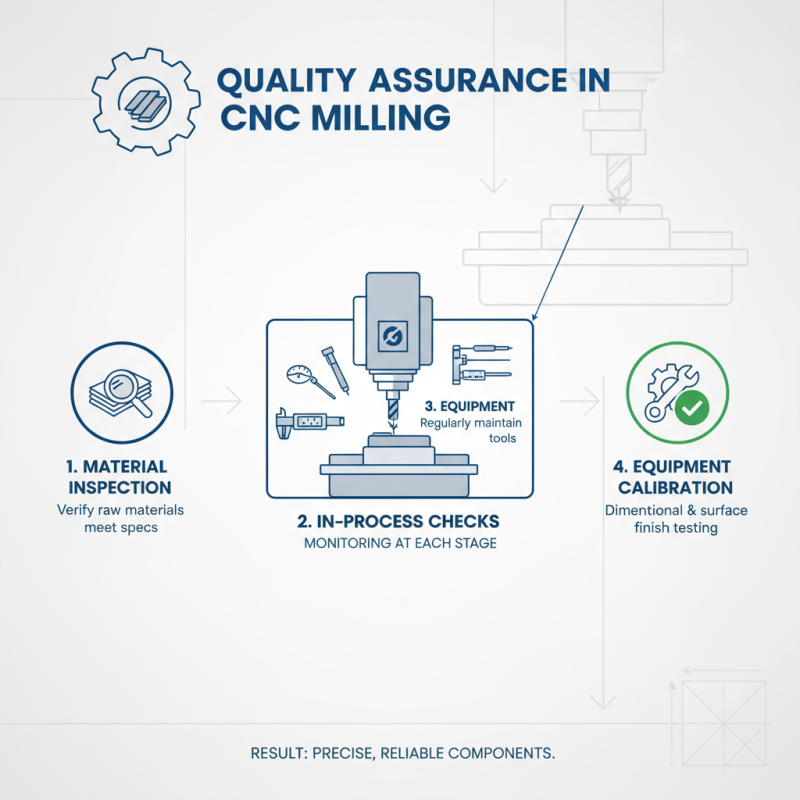
In the CNC milling industry, maintaining quality is essential. Quality assurance practices ensure that each part meets the required specifications. These practices include rigorous inspections and testing at every production stage. This involves checking materials before machining begins. Tools and equipment are also regularly calibrated.
A common challenge is achieving consistency across multiple batches. Variations in raw materials can impact the final product. Therefore, a thorough understanding of supplier quality is vital. When issues arise, it’s important to identify their root causes. This may involve re-evaluating processes or equipment used.
Documentation plays a key role in quality assurance. Records of inspections and tests provide valuable insights for future improvements. However, not all manufacturers prioritize this aspect. Skipping documentation can lead to serious misunderstandings. Continuous training for workers is also crucial. Skilled operators can spot potential problems early, reducing waste and ensuring high standards. Quality assurance is an ongoing journey, not a destination.



 +86 180 0293 5268
 CONTACT Shixin
 CONTACT Shixin
 CONTACT Shixin