What is Wax Casting Aluminum Process Benefits and Applications?
The Wax Casting Aluminum process is gaining traction in various industries due to its remarkable precision and versatility. According to a Grand View Research report, the global aluminum die casting market is projected to reach $19.44 billion by 2025, reflecting a growing interest in efficient manufacturing techniques. This method allows for intricate designs, reducing the need for extensive machining.
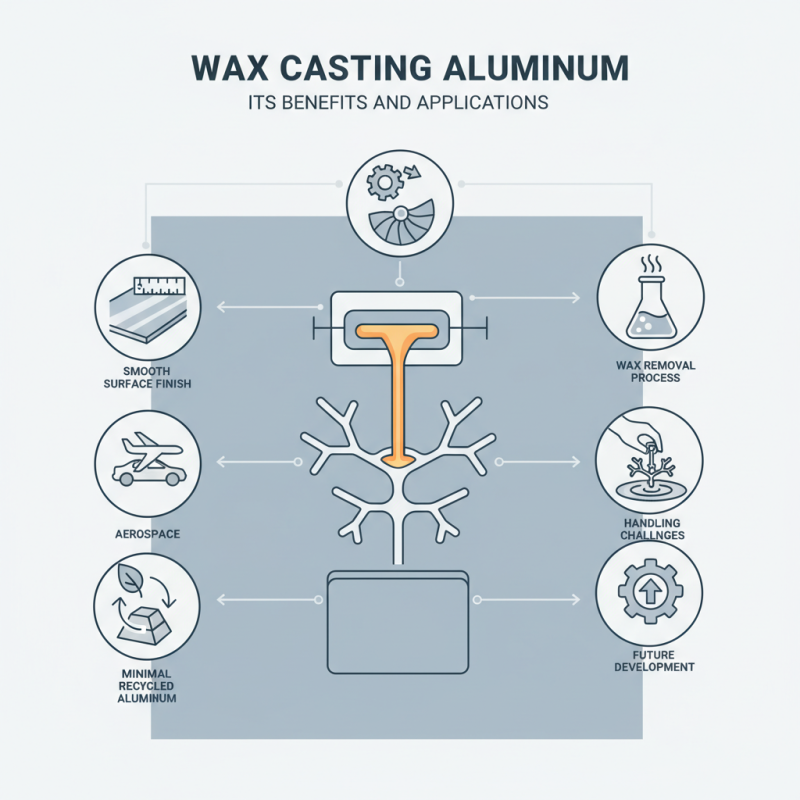
Wax Casting Aluminum offers several benefits, such as a smooth surface finish and excellent dimensional accuracy. A study from the American Foundry Society highlighted that this process can achieve tolerances of ±0.5 mm. This level of precision is crucial for sectors like aerospace and automotive, where performance and safety are paramount. However, challenges remain, particularly in the wax removal process, which requires careful handling to avoid defects.
As industries evolve, the demand for sustainable practices increases. The Wax Casting Aluminum method stands out by minimizing material waste and enabling the use of recycled aluminum. While its advantages are clear, manufacturers must continue to innovate, addressing potential limitations to fully harness its capabilities.
What is the Wax Casting Aluminum Process?
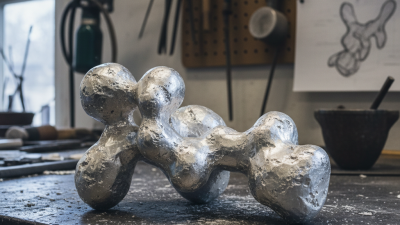
The wax casting aluminum process is a refined technique that enables the creation of intricate designs. It employs a wax model covered with a ceramic shell. Once the shell hardens, the wax is melted away, forming a cavity for aluminum. This method is particularly effective for items requiring high precision. Artisans can replicate fine details, making it popular in jewelry and automotive components.
During the process, attention to detail is crucial. Any slight imperfection in the wax model can lead to defects in the final product. The heat required to melt the wax must be controlled carefully. If not, it can alter the shell's integrity. Many find the process demands a steep learning curve. However, those who master it can achieve remarkable results. The ability to work with various aluminum alloys offers further versatility.
Challenges do arise. The setup can be time-consuming and requires specialized equipment. Additionally, the environmental impact of materials used is often questioned. Considerations like these urge artisans to continually refine their methods. Despite potential setbacks, the benefits of versatility and precision keep the wax casting aluminum process in demand across various industries.
Wax Casting Aluminum Process: Benefits and Applications
Key Advantages of Wax Casting Aluminum in Manufacturing
Wax casting aluminum is gaining popularity due to its remarkable advantages in manufacturing. One of the key benefits is its ability to create intricate designs with precision. This method allows for complex geometries that would be difficult or impossible to achieve with traditional casting methods. The surface finish is often superior, resulting in less post-processing work.
Another significant advantage is its efficiency in material usage. Wax is easily melted away, leading to minimal waste. This not only saves on material costs but also makes the process environmentally friendly. Such efficiency is crucial in competitive markets where production costs matter.
Tips for successful wax casting include ensuring proper temperature management. The wax should be heated carefully to avoid damage. Also, invest in quality molds to maximize detail retention. Regular inspection of your setup can prevent costly mistakes. Remember that practice helps refine your techniques. Each attempt teaches you something valuable, even if the results aren’t perfect.
Comparative Analysis: Wax Casting vs. Traditional Aluminum Casting
Wax casting aluminum has distinct advantages over traditional methods. This innovative process allows for intricate designs and fine details. The wax pattern, which is melted away, provides a high level of precision. In contrast, traditional aluminum casting often relies on sand molds, leading to rougher finishes and limited complexity.
One of the key benefits of wax casting is its ability to minimize waste. Since the wax is reusable, it can be remelted and formed into new patterns. This contrasts with traditional casting, where excess materials often end up in landfills. Additionally, wax casting allows for faster production times. Complex shapes can be created in a single process, reducing the need for multiple manufacturing steps.
Tips for choosing the right casting method include considering the complexity of your design. If your project demands high detail, wax casting is often the better choice. Look for opportunities to leverage the advantages of each method based on your specific needs. Remember, while wax casting excels in precision, it might come with higher initial costs. Reflecting on your project’s requirements can help in selecting the most efficient approach.
Common Applications of Wax Casting Aluminum in Various Industries
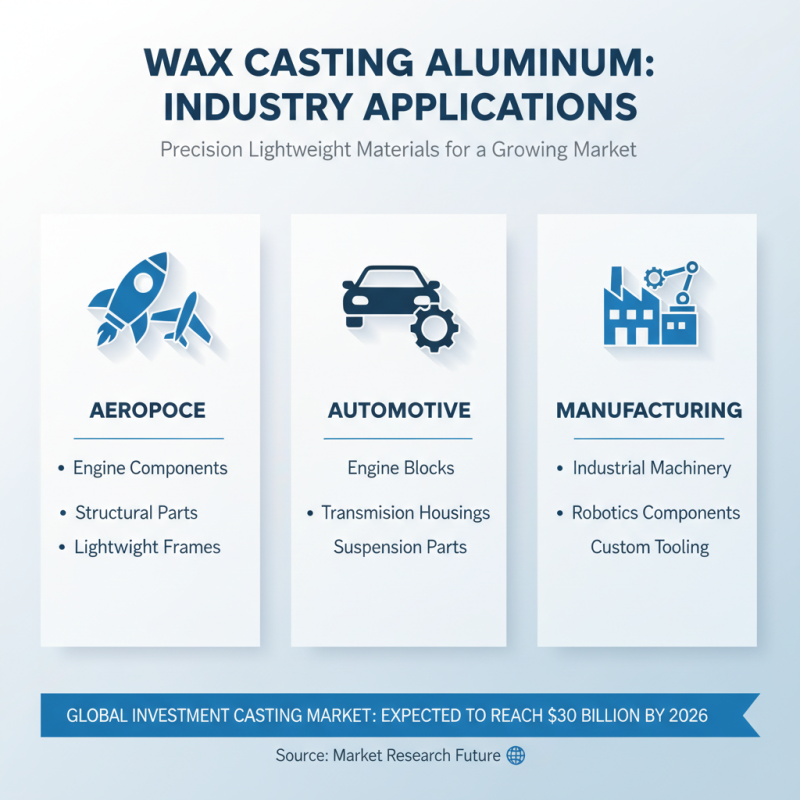
The wax casting aluminum process has gained traction across various industries, including aerospace, automotive, and manufacturing. According to a report from Market Research Future, the global investment casting market is expected to reach USD 30 billion by 2026. This trend highlights the increasing reliance on precision and lightweight materials, making aluminum wax casting a preferred choice.
In aerospace, components produced through wax casting offer an impressive strength-to-weight ratio. Parts such as turbine blades and housings benefit from intricate designs and reduced weight, which are critical for fuel efficiency. The automotive industry also harnesses this technique for producing engine blocks and gearbox housings, contributing to the overall performance and longevity of vehicles.
However, the process comes with its challenges. For instance, achieving a precise wax pattern often requires advanced technology and skilled craftsmanship. Ensuring dimensional accuracy can be difficult, leading to potential wastage and increased costs. Despite these issues, the benefits remain compelling. Wax casting aluminum continues to serve as a cornerstone in industries demanding high-quality, complex geometries. The balance of innovation and practical challenges makes this field ripe for further exploration.
Future Trends and Innovations in Wax Casting Aluminum Technology
The wax casting aluminum process is evolving rapidly. Innovations in this area focus on improving efficiency and precision. New materials and techniques are emerging to enhance the traditional methods. This brings both excitement and challenges. Companies are continuously exploring ways to integrate advanced technologies.
One notable trend is the use of 3D printing in wax patterns. This allows for intricate designs that were difficult to achieve before. Combining 3D printing and wax casting can reduce lead times. However, the consistency of the materials can vary, leading to potential flaws. Experimentation is key to overcoming these hurdles.
Sustainability is also becoming a focal point. There is a push toward using recycled aluminum in the casting process. This reduces waste and conserves resources. Yet, the quality of recycled materials can sometimes fall short. Striking a balance between sustainability and quality remains a challenge. The future of wax casting aluminum holds promise, but it requires careful navigation of these complexities.
What is Wax Casting Aluminum Process Benefits and Applications?
| Dimension |
Details |
| Process Type |
Wax Casting |
| Material Used |
Aluminum Alloys |
| Benefits |
High accuracy, excellent surface finish, and complex geometries |
| Applications |
Aerospace, automotive, and medical industries |
| Future Trends |
Integration of 3D printing and automation in the wax casting process |
| Environmental Impact |
Reduction of waste and energy consumption through efficient processes |



 +86 180 0293 5268
 CONTACT Shixin
 CONTACT Shixin
 CONTACT Shixin