


 +86 180 0293 5268






News


01
Innovative Applications of Precision CNC Machining in Humanoid Robot Components.
2026-03-24
Against the backdrop of rapidly advancing technology, humanoid robots are gradually becoming a part of our daily lives and demonstrating tremendous potential across various industries. Their development has been particularly remarkable over the past two years. I believe that in the near future, humanoid robots will appear in large numbers in factories, stores, and other public spaces, quickly integrating into our lives and bringing us great convenience. However, I also believe this will inevitably create a certain degree of competition for us humans. It is clear that humanoid robots are poised to become an essential component of various industries.
As the development of humanoid robots accelerates, the requirements for the precision, strength, and complexity of their components continue to rise. Dongguan, China, as a global manufacturing hub, plays a vital role in producing these critical parts. Leveraging its advantages of high precision, high efficiency, and exceptional flexibility, CNC machining technology has become a key driver of progress in the field of humanoid robotics.
In the following discussion, we will explore the innovative applications of precision CNC machining in humanoid robot components and provide a practical guide to help us better understand the prospects and real-world applications of this exciting field.


-
-
1. Overview of CNC Machining Technology
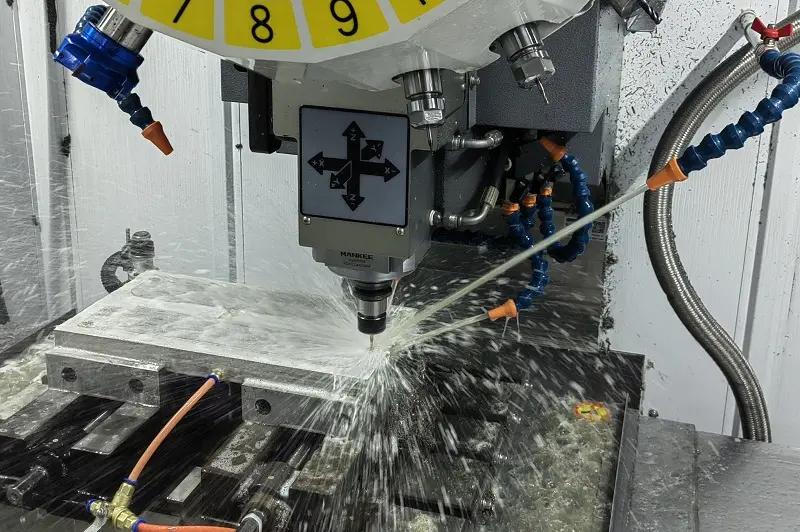
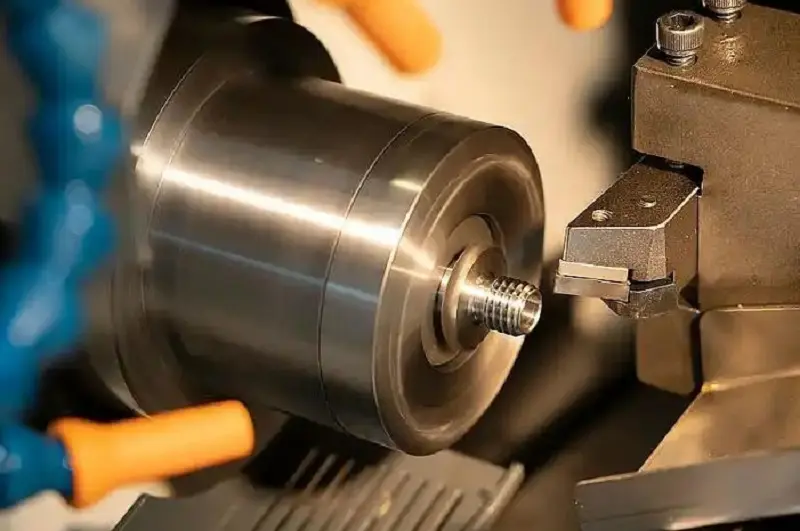
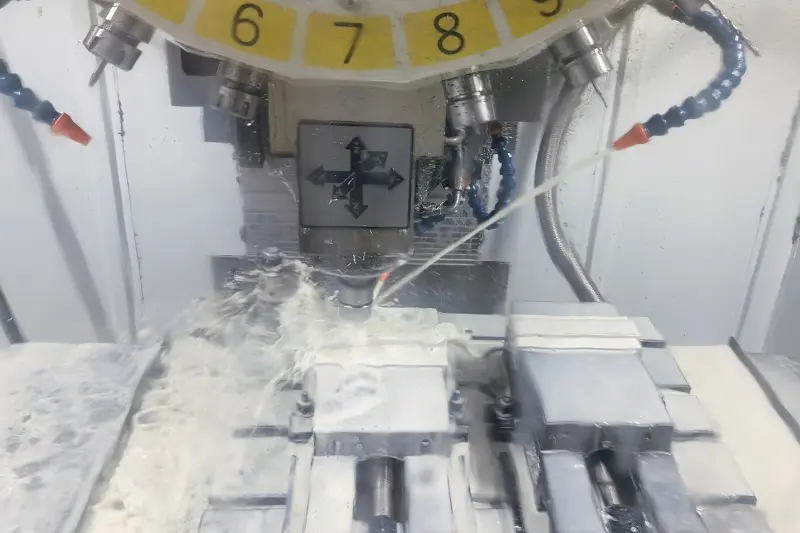
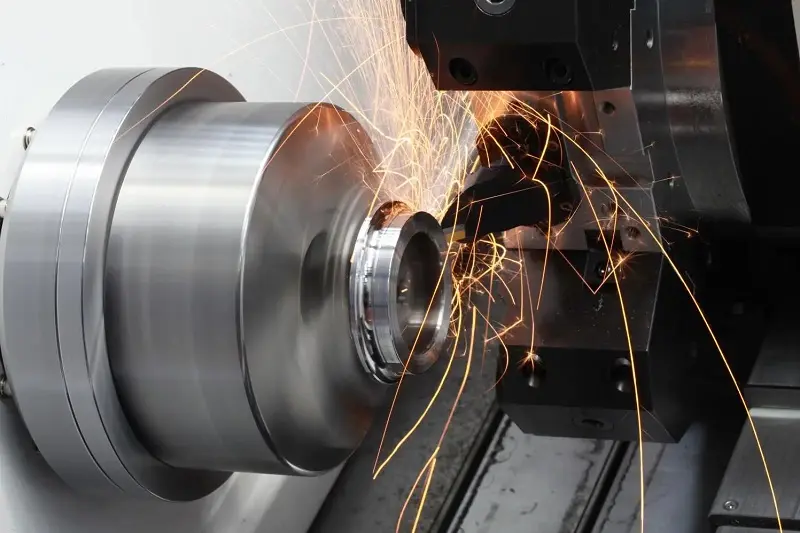
CNC machining technology is an automated manufacturing process that utilizes computer-controlled machine tools. Compared with traditional manual machining, CNC machining offers advantages such as high precision, high efficiency, and exceptional flexibility. It demonstrates unique strengths, particularly in the production of components with complex shapes and stringent precision requirements. As the design of humanoid robot components often involves intricate geometries and demanding machining accuracies, the application of CNC machining technology provides a reliable solution to meet these needs.2. Types of Humanoid Robot Components
A humanoid robot typically consists of multiple components, each with its specific function. The main components include:
l Body Structure
The body structure is the core part of a humanoid robot, supporting all other components. CNC machining can be used to manufacture both the exterior shell and the internal framework of the body, ensuring its strength and stability.
l Joint Components
Joint components are the key to the movement of a humanoid robot. CNC machining can precisely manufacture parts that meet kinematic requirements, ensuring the robot's flexibility and range of motion.
l Motor Mounts
Motors are essential components that drive the movement of humanoid robots. The design and manufacturing diversity of motor mounts enable them to withstand various forces during operation. CNC machining can produce motor mounts with complex shapes and robust structures according to design specifications.
l Sensor Mounts
Humanoid robots typically require a variety of sensors to achieve environmental perception. CNC machining can assist in manufacturing specialized mounting brackets to facilitate the fixation and adjustment of sensors, ensuring they remain in optimal working condition.
3. Innovative Applications of CNC Machining in Humanoid Robot Components
CNC machining service providers employ a range of innovative techniques and methods in the manufacturing of humanoid robot components to enhance both efficiency and precision.
l Advanced Material Applications
CNC machining technology can utilize a variety of materials, such as aluminum alloys, plastics, and carbon fiber. These materials possess lightweight and high-strength properties, making them suitable for use in various components of humanoid robots. Through the appropriate selection of materials, manufacturers can effectively optimize the performance of the robot.
l Adaptive Machining Technology
In traditional machining, the fixturing of workpieces and the machining process are often carried out separately. With adaptive machining technology, we monitor changes in real time during the machining process and automatically adjust machining parameters to ensure precision. The application of this technology can significantly improve the machining quality of humanoid robot components.
l Multi-Axis Machining Technology
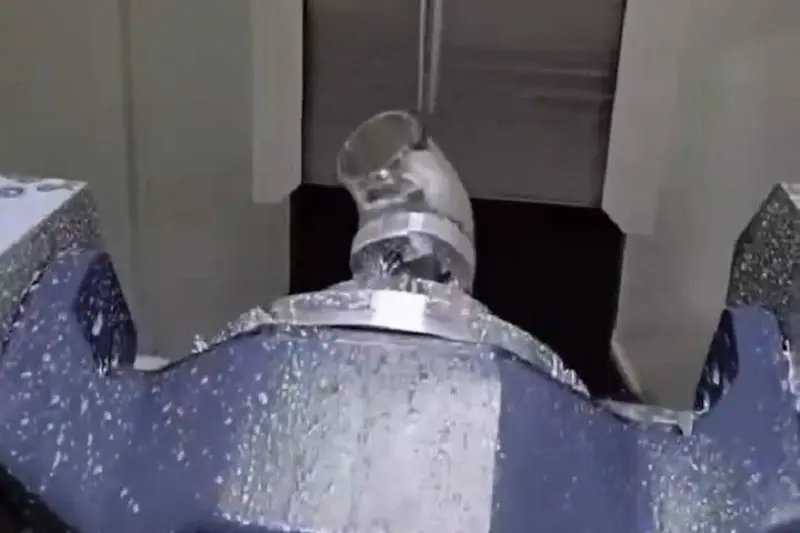
The introduction of multi-axis CNC machining technology has made the processing of complex geometric shapes more efficient. Traditional 2D machining cannot meet the requirements of humanoid robot components, whereas multi-axis machining enables three-dimensional processing, greatly enhancing machining flexibility and precision.
l Precision Measurement and Control Systems
Dongguan SX's CNC machining technology has been successfully applied in multiple robotics projects. For example, in a humanoid robot R&D project, engineers utilized CNC technology to manufacture a series of high-precision joint components. These components enabled the robot to achieve flexible movement and complex motions, significantly enhancing its application potential in the service sector.
-
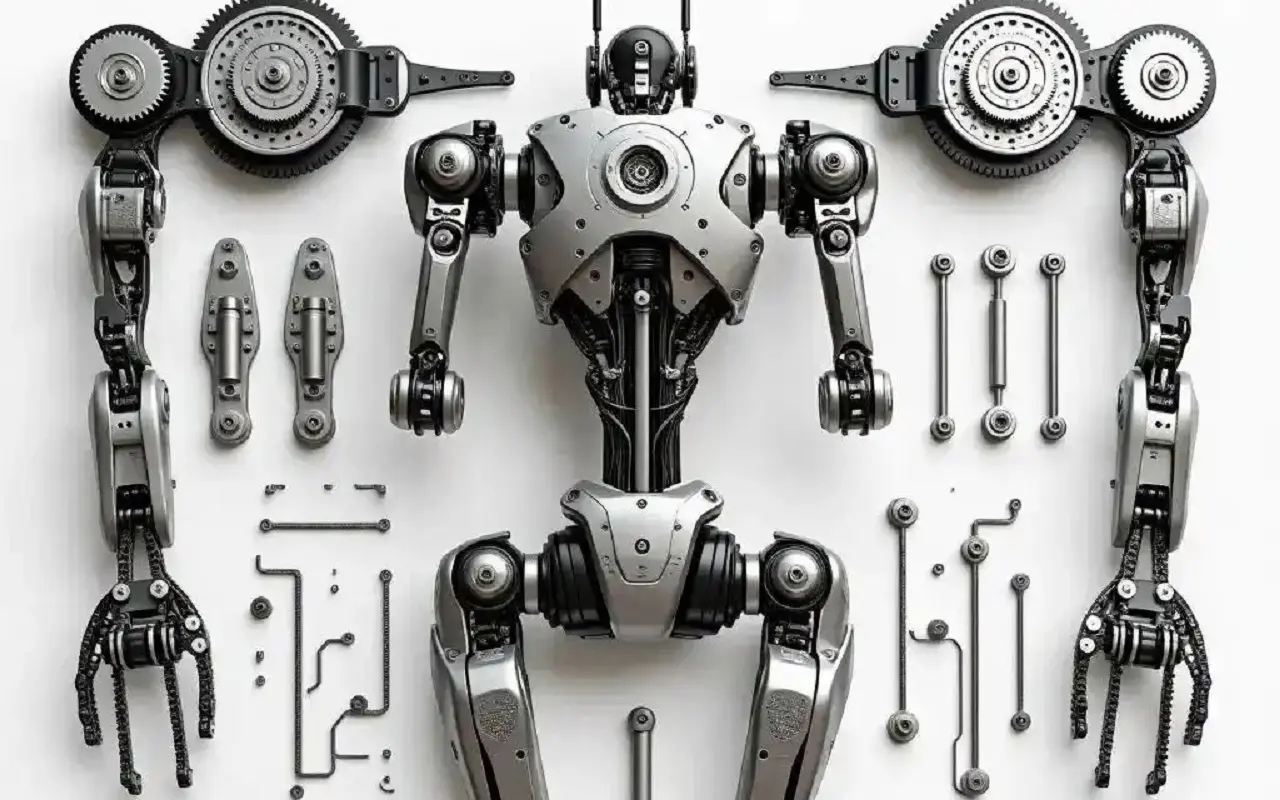
With the continuous development of artificial intelligence and robotics technologies, the application prospects of CNC machining—including CNC milling, CNC turn-mill machining, CNC turning, and multi-axis CNC machining—in humanoid robot components are vast. In the future, as machining technology continues to advance, CNC machining will become increasingly intelligent and automated, providing a solid foundation for the development of humanoid robots. At the same time, more enterprises and research institutions will participate in this field, driving technological innovation and progress.
Dongguan SX demonstrates multiple advantages in
the manufacturing of humanoid robot components, including our high precision,
high efficiency, strong material adaptability, design flexibility, excellent
cost-effectiveness, and diverse post-processing techniques, among others. In
summary, the innovative application of CNC machining in humanoid robot
components not only showcases the appeal of modern manufacturing technology but
also provides strong support for the development of humanoid robots. As technology
continues to advance, we have reason to believe that humanoid robots will play
an increasingly important role in our future lives. It is our hope that through
this collective discussion, everyone can gain a deeper understanding of CNC
machining technology and its applications in the field of humanoid robotics,
sparking interest and reflection on this cutting-edge technology.