


 +86 180 0293 5268






News

01
Why is CNC milling important?
2026-03-19
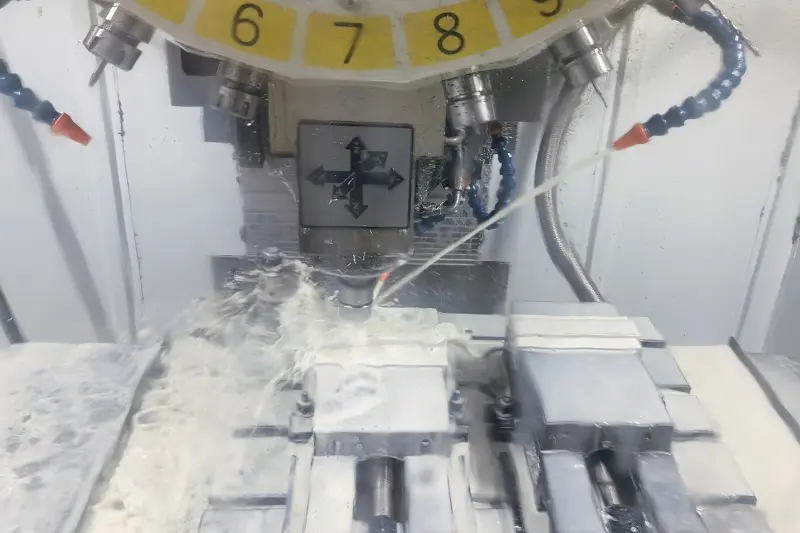
CNC milling is essential to modern CNC manufacturing, with wide-ranging applications across industries such as aerospace, medical devices, automotive, and general machinery. It is faster and more precise than conventional methods, helping to reduce costs, shorten lead times, and improve quality.
So what exactly is CNC milling?
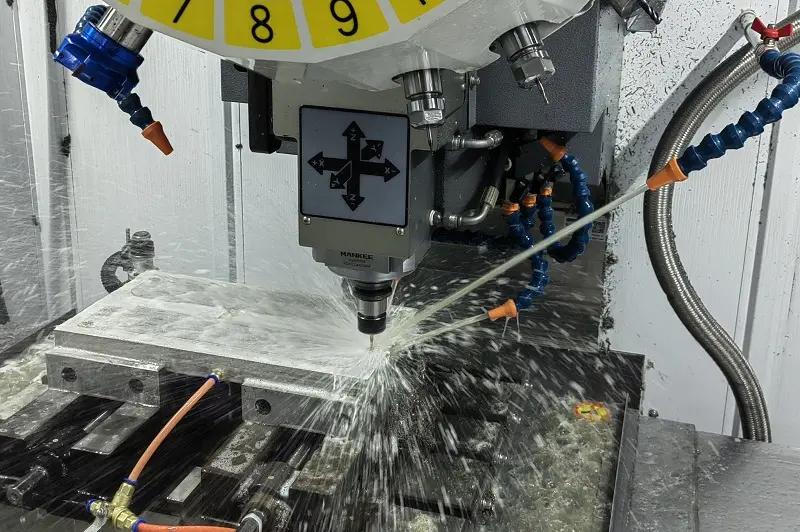
CNC milling is a highly advanced, computer-controlled machining process that
uses rotating cutting tools to selectively remove material from a solid block,
shaping it into custom-designed parts. Unlike manual milling—which relies
heavily on operator skill and is prone to inconsistencies—CNC milling converts
CAD models into precise tool paths via CAM software, ensuring repeatable
accuracy across every batch.
Modern CNC milling machines can achieve precision tolerances of ±0.005 mm and
surface finishes down to Ra 0.8 μm, making them indispensable in industries
where extreme accuracy is non-negotiable.
In terms of efficiency, CNC milling reduces production time by up to
60% compared to traditional methods, while also cutting scrap rates by over
30%.
With its combination of speed, repeatability, and adaptability, CNC milling has
become a cornerstone of industries ranging from machinery and aerospace to
automotive, medical devices, and electronics.
Next, we will introduce the key advantages of CNC milling and why it has become so critical across such a wide range of sectors.


-
-
1. Advantages of CNC Milling
CNC milling offers high precision (tolerances of ±0.01 mm, and even ±0.005 mm), the ability to machine complex geometries, multi-axis capabilities, and exceptional efficiency. Its advantages include broad material compatibility, cost and waste control, superior surface finish, automation, safety, and scalability. With full digital integration, CNC milling supports rapid prototyping, low-volume customization, and high-volume production—meeting the diverse demands of modern industries.
2. Precision and Consistency in CNC Machining
CNC milling achieves tolerances as tight as ±0.01 mm (and in some cases ±0.005 mm), ensuring every part strictly conforms to design specifications—even for complex geometries. By using computer-controlled programs, tool paths are precisely managed, significantly reducing human error. Part repeatability consistently exceeds 99%. In high-precision industries such as aerospace and medical devices, this level of accuracy and consistency is critical to ensuring product reliability and safety.
3. Complex Geometries and Multi-Axis Capability
Modern CNC milling machines support 3-axis, 4-axis, and 5-axis machining, enabling high-precision production of complex curved surfaces, spiral grooves, undercuts, and irregularly shaped parts. Multi-axis synchronization reduces the need for repositioning, shortens machining time, and maintains both accuracy and surface finish. For example, 5-axis CNC milling machines can machine four or five faces in a single setup, and are commonly used for complex aerospace turbine blades and medical implants—designs that traditional manual or single-axis equipment simply cannot achieve.
4. High Efficiency and Shortened Lead Times
CNC milling significantly boosts production efficiency through high-speed cutting and automatic tool changes, often operating at thousands of RPM and running continuously around the clock. For instance, a standard 6 mm diameter aluminum part can be machined within 1–2 hours, whereas traditional manual or conventional milling might take days. Fast programming and automated production not only shorten lead times but also efficiently handle both small-batch prototypes and large-volume orders—saving manufacturers substantial labor and time costs.
5. Broad Material Compatibility
CNC milling machines are compatible with a wide range of materials, including aluminum, stainless steel, titanium and their alloys, as well as engineering plastics (e.g., ABS, PA66+GF) and composites (e.g., carbon fiber, fiberglass). Cutting tools and machining parameters can be optimized based on material hardness, thermal expansion coefficient, and stress tolerance.
Material Type
Example Materials
Machining Requirements
CNC Milling Advantages
Soft Plastics
PTFE, HDPE, POM (Acetal)
Low cutting speed (<100 m/min) to prevent melting or smearing; sharp tools; slow feed
Automatic parameter adjustment ensures surface finish and minimizes deformation
General Metals
Aluminum 6061/7075, Stainless 304/316
Aluminum: ~300 m/min cutting speed; Stainless: heat-resistant tools, moderate feed
Preset tool paths enable rapid material switching; consistent machining across metals
High-Strength Metals
Titanium
Low speed (50–60 m/min); coated carbide tools; high-pressure coolant to prevent work hardening
Maintains ±0.01 mm accuracy; controls thermal deformation; extends tool life
High-Temperature Polymers
PEEK
Sharp tools; precise chip removal; thermal control to maintain integrity
Achieves ±0.01 mm tolerance and Ra < 0.8 μm, suitable for high-precision applications
6. Cost Efficiency and Waste Management
Compared to traditional subtractive methods or manual milling, CNC milling reduces material waste through optimized tool paths and precision cutting, achieving material utilization rates of over 90%. In low-volume or custom production, CNC milling minimizes rework and secondary operations, thereby lowering overall manufacturing costs. Over the long term, high levels of automation enable companies to maintain high output with fewer personnel, delivering sustained cost advantages.
7. Optimized Surface Quality
CNC milling achieves excellent surface finishes of Ra 1–3 μm, significantly reducing the need for post-polishing or coating. High-precision multi-axis machining ensures uniform cutting, avoiding tool marks or micro-deformations. For medical devices, aerospace components, and high-end electronics, surface quality directly impacts functionality and reliability. Additional treatments such as anodizing or black oxide coating can further enhance surface performance when required.
8. Automation and Safety
CNC milling is fully automated—operators only need to input programs and monitor the process, minimizing human error. Since machining takes place in enclosed environments, personnel remain at a safe distance from high-speed cutting areas, significantly reducing the risk of injury. Modern CNC equipment is also equipped with emergency stops, light curtains, and sensor alarms, further improving overall workplace safety.
9. Flexibility and Scalability
CNC milling supports rapid changeovers between low-volume customization and high-volume production without the need for extensive equipment replacement or complex adjustments. Through reprogramming, new designs can be quickly accommodated, enabling flexible production across multiple product types. For example, a single CNC milling machine can switch from producing a single part to batch production in just minutes, maximizing capacity utilization.
10. Rapid Prototyping and Low-Volume Production
CNC milling produces high-precision prototype parts within hours and supports low-volume custom production. With fast programming and automatic tool changing, manufacturers can respond quickly to design iterations and tight delivery schedules—significantly shortening product development cycles.
11. Digital Integration and Design Connectivity
CNC milling integrates seamlessly with CAD/CAM and simulation software, converting design data directly into cutting instructions with full traceability. Prototype validation, program optimization, and volume production can all be managed within a single digital platform, reducing communication errors and design deviations. Combined with digital monitoring and IoT connectivity, parameters such as tool wear and temperature fluctuations can be fed back in real time, enhancing production reliability and part quality.
-
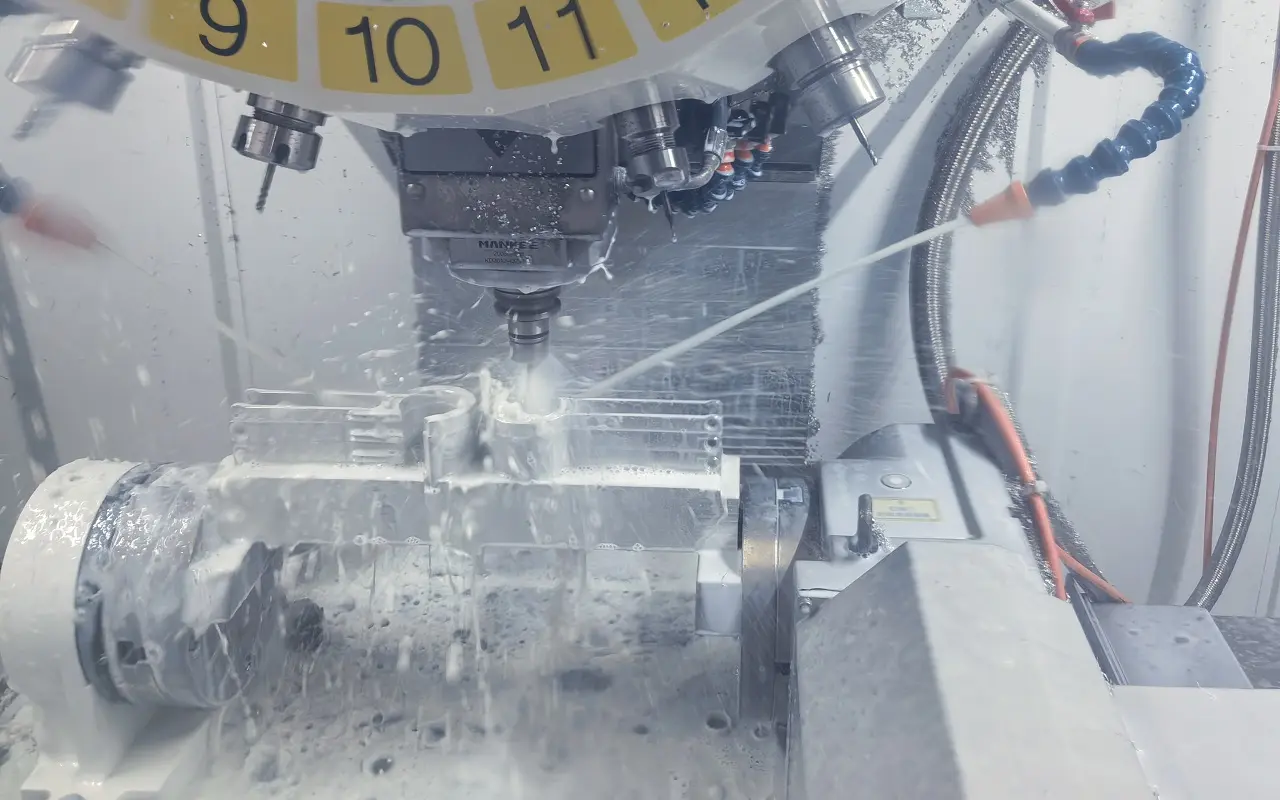
CNC milling is a high-precision, high-efficiency manufacturing method that supports a wide range of materials and applications. From one-off prototypes to full-scale production, it ensures consistency, reduces waste, and integrates seamlessly into digital and automated manufacturing systems.
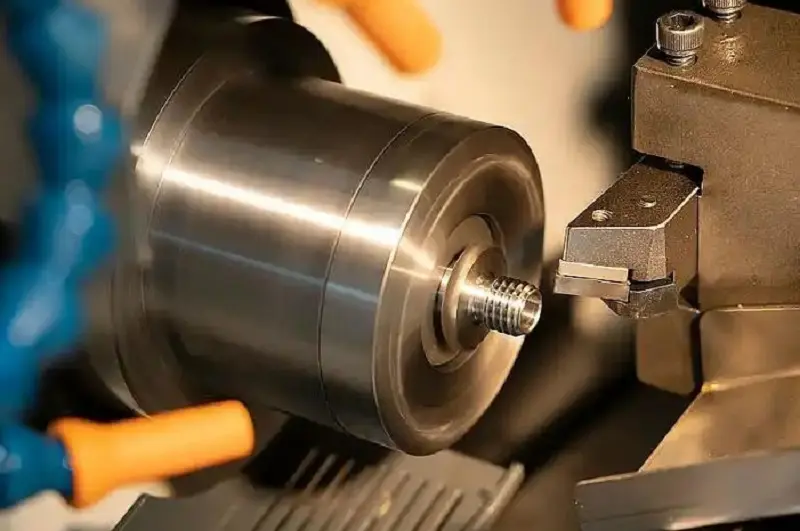
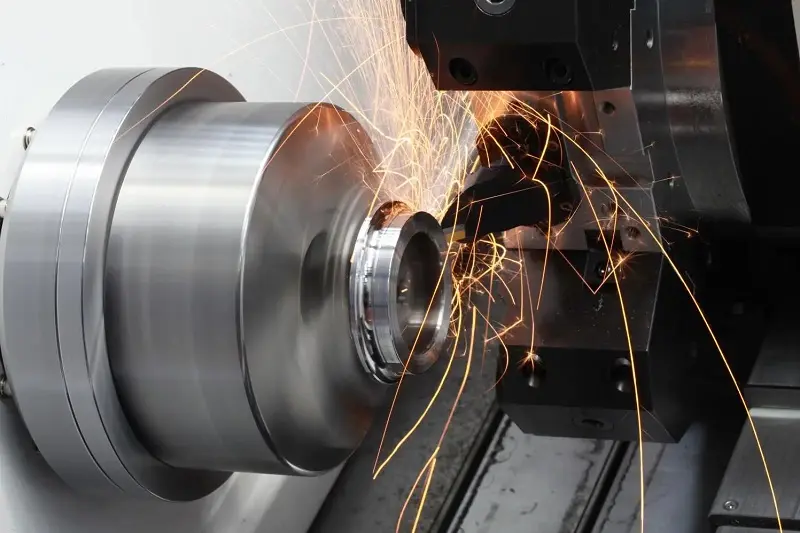
In the CNC machining service industry, CNC turning and CNC milling complement each other—sometimes working in tandem, sometimes independently—but both processes are indispensable to precision CNC manufacturing.
As CNC technology continues to evolve—driven by advancements in artificial intelligence and the Internet of Things—it is no longer just a tool, but a cornerstone of the future of manufacturing.