Leave Your Message

What Are the Best CNC Milling Parts in 2026?

In 2026, the best CNC milling parts are not necessarily the most complex or expensive. They are the parts that fit their job, material, budget, and production volume. A lightweight aluminum bracket may suit an electric vehicle, while a stainless steel manifold must handle pressure and corrosion. Different needs. Different winners.

MIT manufacturing researcher John Hart’s work offers a useful lens: manufacturing choices should serve function, not novelty. A practical rule for this guide is, “Choose the part that fits the job, not the trend.” That is a guiding principle, not a direct quotation from Hart. It matters because a shiny finish or unusually tight tolerance can add cost without improving performance. Sometimes, though, a simpler part fails where heat, vibration, or repeated loads are involved. The trade-offs are real.

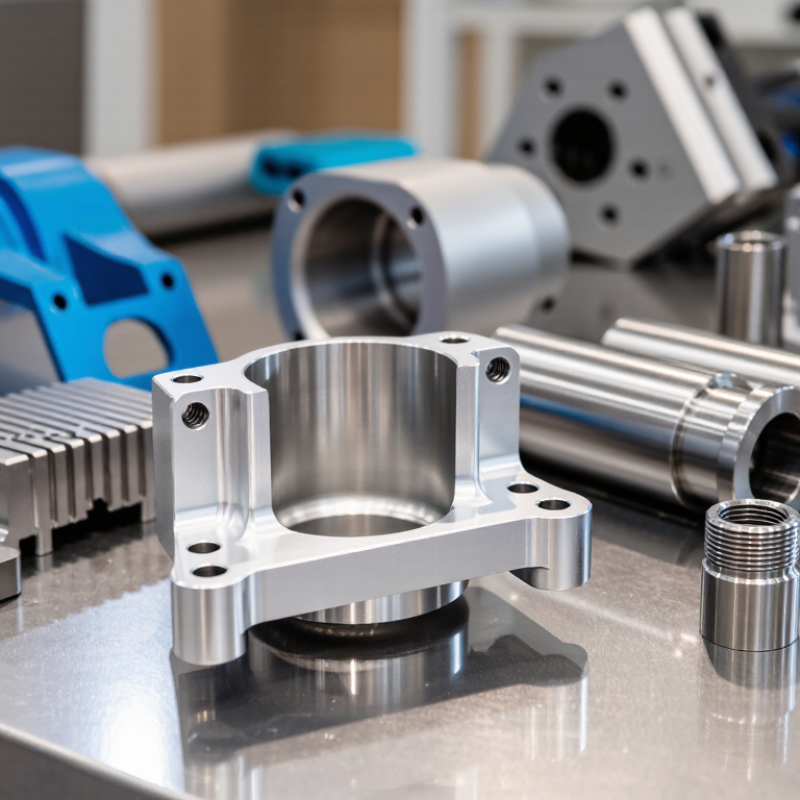
This guide compares Cnc Milling Parts by application, material, precision, finish, and manufacturability. It examines common choices in aerospace, automotive, medical equipment, robotics, and consumer products. Expect clear examples: threaded aluminum housings, stainless steel shafts, and compact fixture plates with visible tool marks. Each section will explain what makes a part suitable, where its limits appear, and which details deserve a supplier’s attention. Rankings can help, but they are not universal. A useful choice depends on the drawing, the operating environment, and the actual inspection plan. Even experienced buyers can overlook one detail. That is worth remembering.
What Are the Best CNC Milling Parts in 2026?

What CNC-Milled Parts Are and How They Are Made

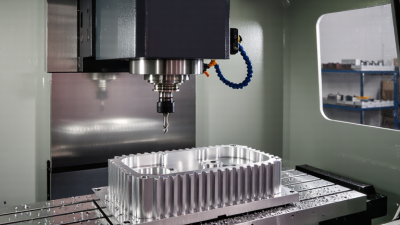
CNC-milled parts are components shaped by cutting material away from a solid block, often aluminum, steel, or plastic. A rotating cutter follows instructions created from a digital design. The workpiece is clamped to a table, and the machine moves the tool, the part, or both along controlled axes. Small details matter.

Typical examples include mounting plates, equipment brackets, pump housings, and heat sinks. Milling can produce flat faces, slots, pockets, holes, and some curved surfaces. The final shape depends on the part’s design, the cutting tools, and how securely the material is held. A thin bracket, for instance, may need extra support to limit vibration during cutting.

Production usually begins with a CAD model and a CAM program that maps tool paths. The machinist selects stock, secures it, and checks the program before machining. Roughing removes most excess material; finishing cuts refine surfaces and dimensions. Coolant may help control heat and clear chips. Each setup matters. After cutting, the part is measured with suitable gauges or coordinate-measuring equipment. In practice, a drawing’s tolerances must match the part’s function: tighter limits can mean more machining time and inspection. Even a carefully planned process may need adjustment if the material shifts or tool wear changes the cut.
Which Criteria Define the Best CNC-Milled Parts in 2026?

In 2026, the best CNC-milled parts are not simply the ones with the tightest tolerances. They perform reliably in the actual assembly and remain practical to inspect and produce. Fit matters. A bearing seat may need close control, while a nonfunctional outer face usually does not. Applying one tolerance across every feature can add cost without improving performance.

Material choice should match the part’s load, temperature, environment, and weight requirements. Geometry matters too: deep pockets, thin walls, and sharp internal corners can increase machining time or cause distortion. A thoughtful design uses suitable radii, accessible tool paths, and enough material to stay stable during cutting. Surface finish should be specified where contact, sealing, or appearance requires it, not by habit. That is measurable.

Reliable parts also need clear drawings, documented inspection, and repeatable results across batches. Critical dimensions should be checked with appropriate gauges or coordinate measurement, then compared with the drawing. Ask how the part will be made and verified, not only whether it can be milled. No single criterion decides quality. And tolerances can be too tight. A part may look precise yet fail if its material, finish, or interface is poorly chosen. The best choice balances function, manufacturability, inspection, and service life.

Which Materials and Part Types Stand Out in 2026?

In 2026, aluminum remains a strong choice for CNC-milled housings, heat sinks, brackets, and lightweight fixtures. It cuts quickly and removes heat effectively, though thin walls can vibrate or warp during machining. The USGS Mineral Commodity Summaries 2025 estimated global primary aluminum production at about 72 million metric tons in 2024, reflecting the material’s broad industrial supply. That matters.

For higher loads or corrosion exposure, stainless steel parts such as valve bodies, shafts, and pump components stand out. Titanium alloy suits weight-sensitive brackets and aerospace fittings, but its heat and tool-wear demands can raise machining costs. Fortune Business Insights estimated the global CNC machine market at USD 101.22 billion in 2023 and forecast USD 195.59 billion by 2032. That forecast signals wider investment in machining capacity, not guaranteed demand for any one part.

The best material depends on the part’s job. A thick aluminum plate may be economical, while a narrow rib can flex under cutting forces. Engineers should check tolerances, finish, and production volume before choosing a material. Sometimes the design needs changing, not the machine. It is easy to over-specify titanium where aluminum would do; equally, choosing the cheapest stock can create scrap and rework.

How CNC-Milled Parts Serve Different Industries

CNC-milled parts serve industries where shape, fit, and repeatability matter. In electric vehicles, machined housings, cooling plates, and suspension brackets must meet tight assembly requirements. The International Energy Agency’s Global EV Outlook 2024 reports nearly 14 million electric car sales in 2023, about 18% of all car sales. That growth supports demand for production equipment and precision components. Aerospace uses milled brackets and structural fittings to reduce weight while maintaining strength. Small details matter.

Medical equipment makers use machined frames, instrument components, and diagnostic-device housings, often requiring smooth surfaces and consistent dimensions. Energy systems also rely on milled pump bodies and valve blocks, where a poor-fitting passage can affect flow. Grand View Research estimated the global CNC machine market at $101.2 billion in 2023; this measures machines, not finished parts. It signals broad investment, but should not be mistaken for direct parts demand. One assumption needs scrutiny: tighter tolerances are not always better. They can raise cost without improving performance. A sharp edge or visible tool mark may also matter less than dependable fit, material choice, and inspection records.

What Are the Best CNC Milling Parts in 2026? — How CNC-Milled Parts Serve Different Industries
Industry Common CNC-Milled Parts Typical Materials Key Design and Performance Needs Why CNC Milling Fits
Aerospace Structural brackets, housings, ribs, manifolds, and fixture components Aluminum alloys, titanium alloys, and engineering plastics Low weight, reliable material traceability, accurate interfaces, and careful control of thin features Supports complex pockets, contoured surfaces, and precise features from solid stock
Automotive and Transportation Engine and transmission housings, mounting brackets, prototypes, and tooling components Aluminum alloys, steel, cast iron, and engineering plastics Repeatable fit, suitable strength, machinability, and compatibility with the production environment Works well for prototypes, low-volume parts, and components requiring machined bores or mounting faces
Medical Devices Instrument handles, device housings, fixtures, and non-implantable equipment components Stainless steel, titanium alloys, and engineering plastics Cleanable surfaces, appropriate material selection, burr control, and documented process requirements Can produce detailed shapes and consistent features; material and finishing requirements depend on intended use
Robotics and Automation End-effector plates, motor mounts, linkages, sensor brackets, and gearbox housings Aluminum alloys, steel, and engineering plastics Accurate hole patterns, alignment between mating parts, stiffness, and manageable moving mass Enables integrated mounting features and precise interfaces for assembled mechanisms
Electronics and Telecommunications Heat sinks, equipment enclosures, connector blocks, and mounting plates Aluminum alloys, copper, and engineering plastics Thermal performance where needed, grounding or shielding requirements, and access for connectors and fasteners Creates pockets, fins, openings, and mounting features in conductive materials
Energy and Power Systems Pump and valve bodies, turbine fixtures, manifolds, and equipment brackets Stainless steel, carbon steel, aluminum alloys, and copper alloys Pressure or temperature requirements, corrosion resistance, material compatibility, and accurately located passages Machines functional faces, pockets, and ports; sealed or pressure-containing parts require suitable design and validation
Industrial Machinery Machine plates, bearing blocks, guide components, jigs, and custom housings Aluminum alloys, steel, cast iron, and engineering plastics Flatness and alignment as specified, wear resistance where required, and ease of assembly and maintenance Accommodates one-off and replacement parts with custom geometry and accurately machined interfaces
Consumer Products Product frames, knobs, camera or audio equipment housings, and prototype components Aluminum alloys, stainless steel, and engineering plastics Appearance, edge quality, weight, surface finish, and consistency between assembled parts Offers design flexibility for prototypes and small production runs, with finishing options selected for the product

How to Select the Right CNC-Milled Part for an Application

What Are the Best CNC Milling Parts in 2026?

The right CNC-milled part is the one that meets its job requirements without adding unnecessary complexity. Start with the real operating conditions: load, vibration, temperature, moisture, and expected service life. A mounting bracket inside a dry enclosure may suit aluminum, while a wet, high-wear assembly may need a different material and finish. Fit matters more.

Next, check whether the geometry matches the process. Deep pockets, thin walls, and tight internal corners can increase machining time or cause distortion. Specify tight tolerances only on features that affect assembly or performance. A 3D-printed prototype or a simple machined sample can expose fit problems before production, though prototypes do not always reveal long-term wear. Ask the machinist about tool access, datum surfaces, inspection methods, and finishing allowances.

Production volume matters, too. Deloitte’s 2024 Smart Manufacturing Survey found that 86% of surveyed manufacturing executives expected smart manufacturing to drive competitiveness within five years. That finding does not choose a part for you, but it highlights the value of repeatable processes and measurable quality. Compare total cost, including material waste, inspection, finishing, and rework—not just the quoted machining price. A drawing can still miss the point. Check it against the actual assembly.