+86 180 0293 5268


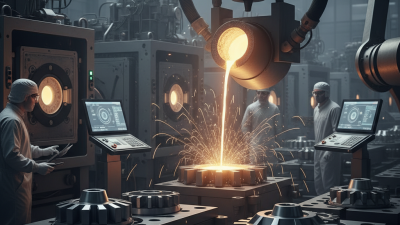
In the ever-evolving world of manufacturing, "High Precision Casting" stands as a cornerstone of quality and innovation. John Smith, a leading expert in the field, noted, “Precision in casting defines the future of manufacturing.” This technique ensures unparalleled accuracy and detail in the final products. By employing advanced methods, industries are transforming their processes and enhancing efficiency.
High Precision Casting is not just about aesthetics; it’s about functionality and reliability. Every detail matters, from material selection to temperature control. These meticulous practices yield parts that can withstand the rigors of performance. Yet, it is a journey filled with challenges and learning curves. Many companies overlook vital improvements, leading to inconsistencies.
Moreover, the balance of cost and quality often poses dilemmas. Striving for perfection in "High Precision Casting" requires constant evolution. Professionals must reflect on their methods and adapt to new technologies. As the industry progresses, it is essential to embrace both successes and shortcomings. Each misstep can lead to valuable insights, shaping the future of casting techniques.
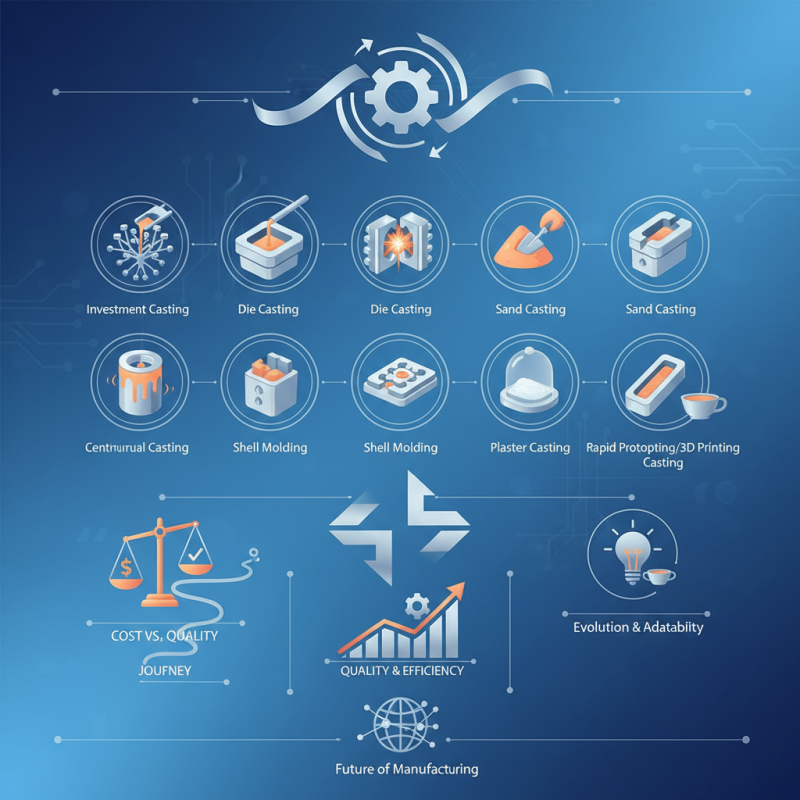
High precision casting techniques are essential for producing intricate parts with tight tolerances. These methods enhance the quality and performance of final products. Understanding the various techniques available can significantly benefit manufacturers.
One popular technique is investment casting, which offers high detail and fine surface finish. This method uses a wax pattern coated in a ceramic shell to create molds. Another technique, lost foam casting, provides similar benefits. It allows for complex shapes without the need for core inserts.
**Tips:** Always evaluate the intended application for casting. This helps choose the right technique. For instance, newer processes may offer advantages like reduced lead time or lower material waste. Experimenting with different alloys can also yield unexpected results.
Keep in mind that not every technique works for all designs. Sometimes, trial and error is part of the process. It’s crucial to reflect on past projects, assessing where improvements can be made. Collaboration with experts can provide insights into best practices and innovations in casting.
| Technique | Description | Advantages | Typical Materials |
|---|---|---|---|
| Investment Casting | A process where a liquid material is poured into a mold that contains a hollow cavity. | High dimensional accuracy, smooth surface finish. | Aluminum, Brass, Stainless Steel. |
| Die Casting | A technique involving forcing molten metal into a mold cavity under high pressure. | Excellent surface finish, fast production rates. | Zinc, Aluminum, Magnesium. |
| Sand Casting | A metal casting process characterized by using sand as the mold material. | Cost-effective, ability to produce large parts. | Iron, Steel, Bronze. |
| Lost Foam Casting | A process where a foam pattern is used to form a mold for casting. | Good for complex shapes, low draft angles. | Aluminum, Steel. |
| Ceramic Shell Casting | Uses a ceramic shell to create a mold for the casting process. | High precision, excellent surface finishes. | Alloy Steel, Titanium. |
| Continuous Casting | A process of solidifying molten metal into a continuous solid form. | Efficient material use, lower production costs. | Steel, Copper. |
| Shell Molding | A variation of sand casting using a resin-coated sand to form the mold. | High precision, good surface quality. | Iron, Steel. |
| Graffiti Casting | A unique technique that uses a spray method for mold making. | Customization, artistic designs possible. | Various metals. |
| Plaster Casting | Casting method using a mixture of plaster and water as the mold material. | Fine details, smooth surface finishes. | Aluminum, Magnesium. |
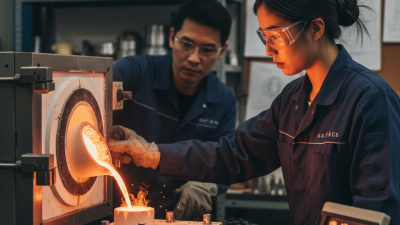
High precision casting relies heavily on the selection of key materials. Commonly used metals include aluminum, iron, and steel. Each material offers distinct advantages in terms of strength, durability, and thermal properties. For instance, aluminum is lightweight yet robust, making it ideal for components that require both precision and efficiency.
Another notable material is brass. Its excellent corrosion resistance is essential for applications in plumbing and automotive industries. Additionally, the right binders and additives play a pivotal role in enhancing the casting process. Synthetic resins can improve mold quality, leading to sharper details and reduced defects.
It's worth noting that not all materials are suitable for every casting technique. Proper research and testing are crucial to ensure compatibility. Choosing the wrong material can lead to failures or costly repairs. Understanding the nuances of each material helps in making informed decisions, ultimately enhancing the quality of the final product.
This bar chart illustrates the precision levels of various high precision casting techniques. Each technique is represented on the x-axis, while the y-axis shows the corresponding precision level as a percentage. Understanding these techniques can help in selecting the appropriate casting method for different manufacturing needs.
Investment casting is a method known for its high precision and ability to create complex shapes. The process begins with creating a wax pattern. The pattern is then coated with a ceramic material which hardens quickly. This ceramic shell is essential for ensuring the integrity of the final product.
Once the shell is prepared, the next step is to melt the wax out. This is done through a heating process that leaves a cavity in the shape of the pattern. Then, molten metal is poured into the cavity. As it cools, the metal takes the exact shape of the original wax pattern. This phase requires careful temperature control to avoid defects.
After the metal solidifies, the ceramic shell is removed. At this point, you might encounter imperfections that need correcting. This can be a learning curve for many. The final product often requires finishing touches, such as sanding or machining, to achieve the desired surface quality. While investment casting offers remarkable precision, the need for these later processes highlights its complexities.
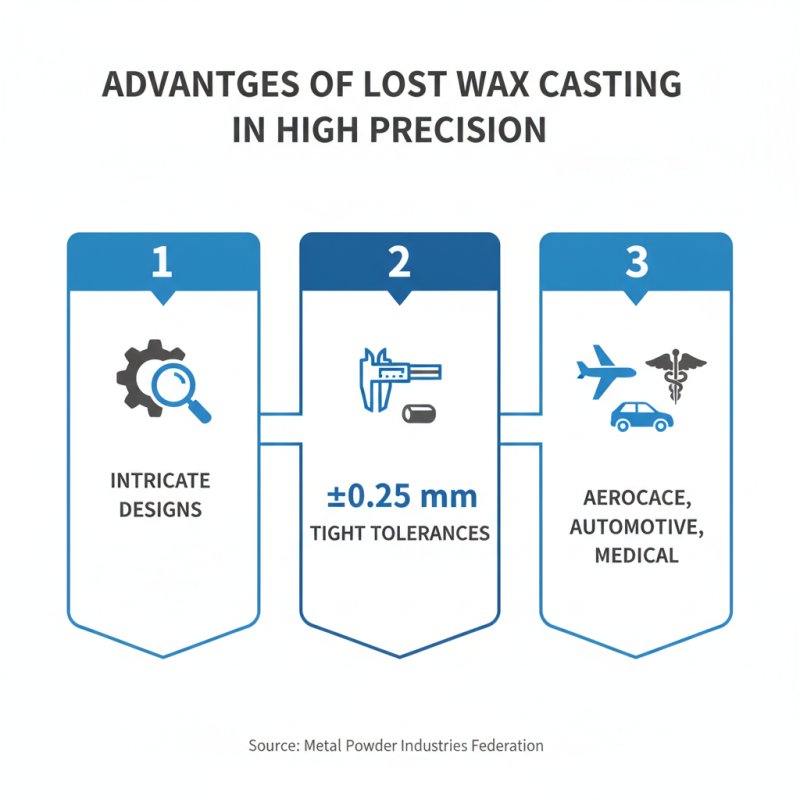
Lost wax casting, also known as cire perdue, stands out in high precision applications due to its remarkable ability to produce intricate designs. This method allows for the creation of complex shapes that would be nearly impossible with traditional casting techniques. According to the Metal Powder Industries Federation, precision wax models ensure a tolerance level as tight as ±0.25 mm. This level of accuracy is invaluable in industries such as aerospace, automotive, and medical devices.
One of the significant advantages of lost wax casting is its surface finish. Parts often require minimal machining, leading to time and cost savings. The Society of Manufacturing Engineers noted that parts produced using this technique can have a surface roughness of Ra 0.8 to 1.6 micrometers. Furthermore, the flexibility to use a wide range of metals, including high-performance alloys, enhances its applicability. However, it is essential to acknowledge the challenges in producing wax patterns, which can affect efficiency and yield rates.
The process also faces scrutiny for its environmental impact. Wax removal and other disposal methods raise concerns in sustainable engineering. Manufacturers must reflect on the environmental footprint of their operations and seek greener alternatives without compromising precision. Balancing precision with sustainability remains a challenge in the industry. As technology evolves, ongoing improvements in lost wax casting hold promise but also demand critical examination of each step in the process.
Casting techniques vary significantly in precision and application. High precision casting methods, such as investment casting and sand casting, each offer unique advantages. Investment casting excels in producing intricate shapes with smooth finishes. However, it can be costly and time-consuming, which may not suit all projects. On the other hand, sand casting is more economical but lacks the fine detail offered by investment techniques.
It’s essential to evaluate the specific requirements of your project. Consider factors such as material choice and complexity. Here are a couple of tips: Always conduct a thorough material analysis to match the process with the desired properties. Additionally, prototype testing can save time and resources in the long run.
Not all techniques are suitable for every application. There may be trade-offs between detail and efficiency. Maintenance of equipment is crucial, as worn-out tools can affect the casting's precision. Regular checks can help prevent costly mistakes. Avoiding shortcuts in preparation can lead to better outcomes in the final product.