China Best Stainless Investment Casting Suppliers for Your Needs?
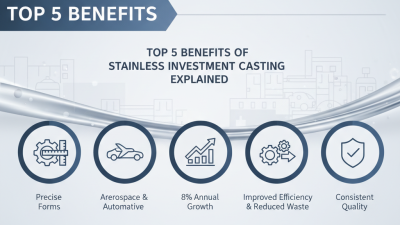
In recent years, the demand for Stainless Investment Casting has surged. This technique is crucial in sectors like aerospace, automotive, and medical devices. According to a report by MarketsandMarkets, the global market size for investment casting is projected to reach $23.4 billion by 2025. This growth highlights the importance of selecting reliable suppliers.
China stands out as a key player in this industry. It offers a blend of cost-effectiveness and advanced technology. However, not all suppliers provide the same level of quality. In a competitive landscape, identifying top-tier suppliers is essential for businesses. Many companies have faced issues with inconsistent quality, leading to potential project delays and increased costs.
Selecting the right Stainless Investment Casting supplier requires careful consideration. Factors such as material quality, production capabilities, and post-production services are vital. It’s essential to review potential partners thoroughly. Research and customer feedback can guide your choices. Ultimately, the quality of your chosen supplier will significantly impact your project outcomes.
Understanding Investment Casting and Its Applications in China
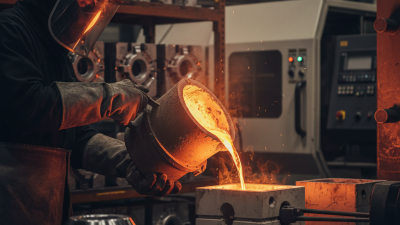
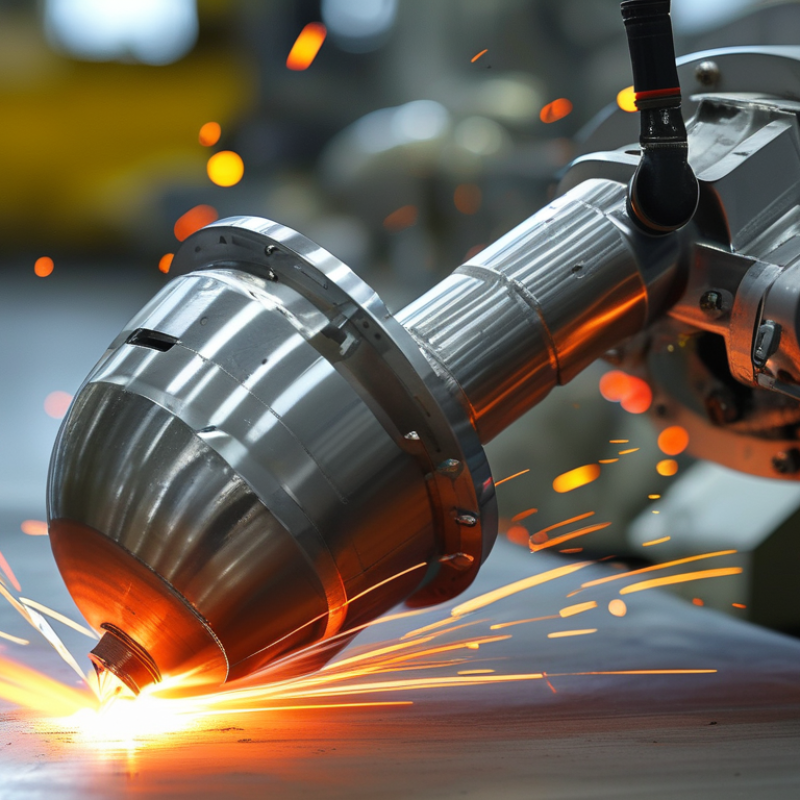
Investment casting, often known as lost-wax casting, is a crucial process in manufacturing precision metal components. In China, this method is widely used across various industries, including automotive, aerospace, and medical. The technique involves creating a wax model of the desired part, which is then coated in a ceramic shell. Once the shell hardens, the wax is melted away, leaving a detailed mold for metal to pour into.
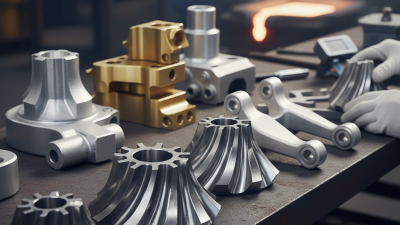
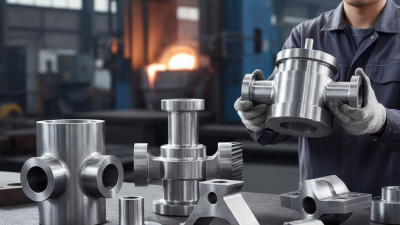
The applications of investment casting are extensive. It allows for complex geometries and fine details that traditional casting methods cannot achieve. Many manufacturers in China utilize advanced technologies to enhance this process. However, not all foundries meet the same quality standards. It's essential to carefully evaluate suppliers based on their experience and capabilities. Some suppliers may promise quick production times but deliver subpar results. Quality control measures should be a priority to ensure the integrity of the final product.
While the investment casting process is efficient, there are challenges to consider. Variations in metal composition can affect the performance of the final part. Additionally, the initial setup costs may deter small businesses. Therefore, a thorough cost-benefit analysis is necessary. In reviewing potential suppliers, check for certifications and customer feedback. This approach can help mitigate risks associated with sourcing in a competitive market.
China Best Stainless Investment Casting Suppliers for Your Needs
| Supplier Type |
Location |
Annual Production Capacity (units) |
Certification |
Key Applications |
| OEM Supplier |
Shanghai |
500,000 |
ISO 9001 |
Automotive, Aerospace |
| Custom Manufacturer |
Guangzhou |
300,000 |
TS 16949 |
Industrial Equipment, Medical Devices |
| High-Volume Supplier |
Beijing |
1,000,000 |
ISO 14001 |
Consumer Electronics, Appliances |
| Specialty Manufacturer |
Shenzhen |
150,000 |
ISO 13485 |
Marine, Oil & Gas |
Key Factors to Consider When Choosing Stainless Investment Casting Suppliers
When selecting stainless investment casting suppliers, several key factors emerge. Quality is paramount. Industry reports indicate that over 70% of manufacturers prioritize quality control. Suppliers should have stringent processes in place. This includes using advanced technology and techniques to ensure the durability of castings.
Another important consideration is the supplier's experience. Those with over ten years in the industry often have refined their processes. They understand the complexities of stainless steel and can offer valuable insights. A study highlighted that experienced suppliers reduced defects by nearly 30%.
Finally, communication plays a critical role. Responsive suppliers improve partnerships. They address concerns quickly and provide updates on projects. However, not all suppliers excel in this area. Some may lack transparency, which can lead to misunderstanding and delays. Assessing communication skills can prevent potential issues down the line.
Investment Casting Quality Ratings of Chinese Suppliers
Top Stainless Investment Casting Suppliers in China: An Overview
When looking for stainless investment casting suppliers in China, it's crucial to consider various factors. Experience in the industry is significant. Suppliers with a long track record often have refined processes and quality control measures in place. They understand the nuances of casting different stainless steel grades and can provide tailored solutions.
Another aspect to evaluate is technical expertise. Knowledgeable suppliers can guide clients in material selection, design optimization, and production efficiency. They should also demonstrate a commitment to innovation and continuous improvement. Quality certifications, such as ISO standards, enhance their credibility and reliability.
However, not all suppliers are created equal. Some may promise high-quality products but fall short on delivery times. Others might lack transparency in their pricing structures, leading to unexpected costs. Researching potential suppliers is essential. Look for reviews, testimonials, and case studies that showcase their capabilities. An informed choice can significantly impact project outcomes.
Evaluating Quality Standards and Certifications in Investment Casting
When evaluating stainless investment casting suppliers in China, quality standards and certifications play a vital role. Investment casting is a precise manufacturing process. Quality control begins with raw material selection. According to a report from the International Organization for Standardization (ISO), certified companies often achieve higher accuracy and reliability in their products.
Key certifications to consider include ISO 9001 and ISO 13485. These certifications indicate a commitment to quality management. A study published by the American Foundry Society highlights that companies with these certifications report a 20% reduction in production defects. Furthermore, adherence to ASTM standards is crucial for ensuring durability and performance in casting applications.
It's essential to assess suppliers not only on certifications but also on their production processes. An emphasis on continuous improvement is significant. A lack of transparency in quality control can lead to unforeseen issues. Reports suggest that nearly 30% of companies fail to implement adequate quality checks. This oversight can severely affect product integrity and customer satisfaction. Quality management should not be sidelined; it is the foundation for reliability in stainless investment casting.
Trends and Innovations in the Stainless Investment Casting Industry in China
The stainless investment casting industry in China is witnessing significant trends and innovations. With the global market for stainless steel expected to reach approximately $350 billion by 2025, this growth underscores the sector's vitality. Increased demand for lightweight and corrosion-resistant materials fuels innovation. Many manufacturers are adopting advanced technologies like 3D printing to enhance precision in casting.
Sustainability has become a driving force within the industry. A report by Grand View Research indicates that eco-friendly practices could reduce production costs by 15%. Many suppliers are exploring recycled stainless steel, which can cut emissions significantly. However, challenges remain in achieving full sustainability. Balancing quality with environmental practices requires ongoing reflection and improvement.
Moreover, customized solutions are gaining traction. As industries demand more tailored components, suppliers are responding by investing in flexible production techniques. The integration of data analytics aids in forecasting trends and optimizing inventory. While progress is evident, the need for continuous adaptation remains critical. Companies must remain agile to respond to rapid market changes effectively.



 +86 180 0293 5268
 CONTACT Shixin
 CONTACT Shixin
 CONTACT Shixin