How to Choose the Right Cnc Machined Part for Your Project?
Choosing the right CNC machined part for your project can be a daunting task. With countless options available, it’s essential to consider various factors. These include material, design, and tolerances. Each aspect significantly impacts the final product's quality and performance.
Understanding the specific requirements of your project is crucial. Are you prioritizing strength, weight, or precision? Each CNC machined part serves a unique purpose. For instance, aerospace applications require higher standards than general manufacturing. Be mindful of the trade-offs you might encounter. Choosing the right part often involves compromise.
Engaging with experts can provide valuable insights. Their experience in selecting materials and techniques can guide your decision-making process. Feedback from others can help you avoid common pitfalls. Thus, reflection on both successes and failures in past projects can enhance your judgment. Ultimately, selecting the right CNC machined part requires careful consideration and expertise.
Understanding CNC Machining: Key Processes and Materials Involved
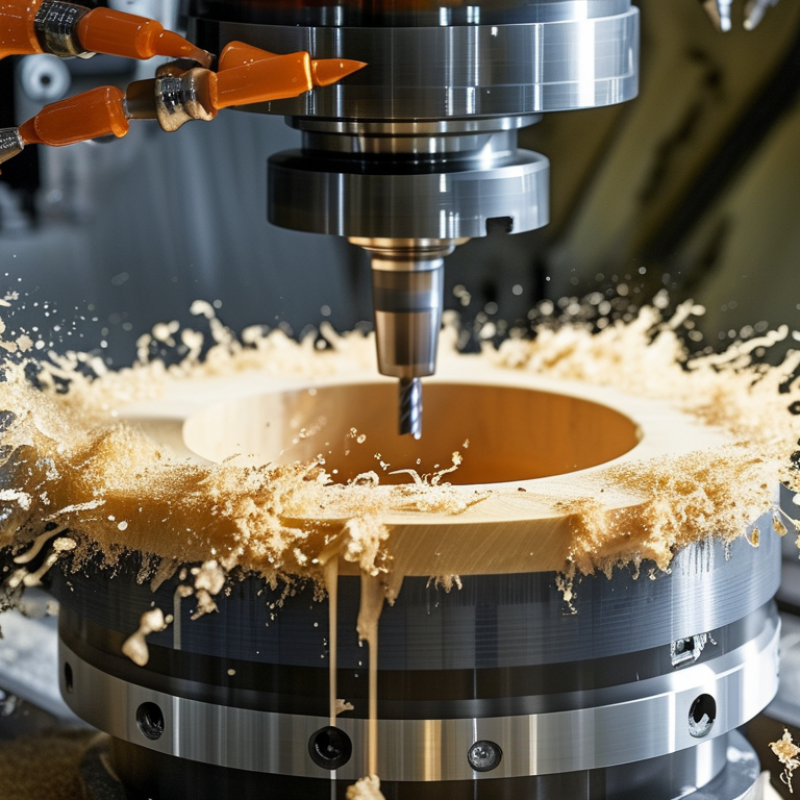
CNC machining involves several key processes that shape materials with precision. The most common processes are milling, turning, and drilling. Each method removes material to create the desired part shape. Machining centers can perform multiple tasks, making them efficient. Precision is essential, especially for intricate designs.
Materials play a crucial role in the outcome of CNC machined parts. Aluminum is widely used for its lightweight and good strength-to-weight ratio. Steel is preferred for its durability and strength, especially in heavy-duty applications. Plastic is also a viable option for certain projects, offering versatility and reduced weight. Each material has unique properties that must be considered.
Choosing the right combination of process and material can be challenging. Mistakes in selection can lead to delays and increased costs. It is vital to analyze the project requirements carefully. Consider factors like strength, weight, and finish. Not every material or process is suitable for all projects. Be ready to adapt and modify your choices as needed. This reflection can lead to better results.
Identifying Project Requirements: Tolerances, Functionality, and Durability
When selecting CNC machined parts for a project, understanding the specific requirements is crucial. Tolerances define how precise the part needs to be. Different applications may demand varying degrees of accuracy. For instance, medical devices require tighter tolerances than consumer products. This can affect the machining process and the materials used. Always consider what level of precision your project demands.
Functionality is another core aspect. Consider how the part will be used. Will it face heavy loads or extreme temperatures? The material choice will greatly impact performance and longevity. Each application might necessitate a different approach. Be clear on the part’s role within the larger assembly.
**Tips:** Pay close attention to the functional requirements. This can help avoid costly mistakes. Engage with experts to help clarify your needs. Don’t hesitate to revisit your project goals. Reflecting on these aspects can lead to better decisions. A thorough review can save time and resources down the line.
Evaluating Material Options: Aluminum, Steel, and Plastic Considerations
Choosing the right material for CNC machined parts can significantly impact the success of your project. Aluminum is lightweight and easy to machine. It offers good corrosion resistance. This makes it suitable for various applications, particularly in aerospace and automotive industries. However, it may not be the best choice for high-stress environments.
Steel, on the other hand, is known for its strength and durability. It is ideal for heavy-duty applications. However, steel parts can be heavier and more challenging to machine. Balancing strength and weight is crucial here. Consider the specific demands your project entails; sometimes, steel might be overkill.
Plastic materials also deserve attention. They are often less expensive and can be machined quickly. However, the trade-off may be in strength and thermal resistance. It's essential to evaluate whether the plastic can withstand your project's conditions. Understanding these material properties helps in making informed decisions. Reflecting on your project’s requirements will guide you in selecting the most suitable option.
Material Options for CNC Machined Parts
Analyzing Cost-Effectiveness: Balancing Quality and Budget Constraints
When it comes to CNC machined parts, balancing quality and budget is crucial. Industry data suggests that 20% of project costs often stem from sourcing components. Therefore, analyzing cost-effectiveness is essential. High-quality materials may have a higher initial cost but often result in longer lifespans and fewer replacements. A report from the Machining Industry Association indicates that using premium-grade aluminum can increase lifespan by 35%. This may, in the long run, lower overall expenditure.
Tips: Always evaluate the total cost of ownership. Sometimes a cheaper part can lead to high maintenance costs or failures. Investing wisely can actually save you money.
Quality does not always mean you need to go for the highest price. It involves finding the right balance. Many manufacturers offer competitive prices without compromising on quality. A comparative analysis conducted by the Precision Machinery Research Group revealed that 40% of lower-priced parts performed adequately under normal conditions. However, be cautious. Not all budget options deliver satisfactory results.
Tips: Request samples before placing large orders. Testing different options can provide insights without breaking the bank. Reflect on the implications of choosing based solely on price versus quality.
How to Choose the Right Cnc Machined Part for Your Project? - Analyzing Cost-Effectiveness: Balancing Quality and Budget Constraints
| Part Name |
Material |
Quantity |
Unit Cost ($) |
Total Cost ($) |
Lead Time (days) |
Quality Rating (1-5) |
| CNC Machined Base Plate |
Aluminum 6061 |
50 |
25.00 |
1250.00 |
15 |
4 |
| CNC Machined Gear |
Steel AISI 1045 |
100 |
15.00 |
1500.00 |
20 |
5 |
| CNC Machined Bracket |
Plastic ABS |
200 |
5.00 |
1000.00 |
10 |
3 |
| CNC Machined Cylinder |
Titanium Grade 5 |
30 |
40.00 |
1200.00 |
25 |
5 |
Choosing the Right Supplier: Assessing Capabilities and Certifications
When choosing a CNC machined part for your project, the supplier's capabilities are essential. A reliable supplier should demonstrate a track record of delivering quality products consistently. Look for certifications that highlight their adherence to industry standards. This shows they meet rigorous quality control procedures.
Tips: Verify the supplier's experience in your specific industry. Their past projects can provide insight into their capabilities. It’s also beneficial to request samples. This allows you to assess their workmanship before making bulk orders.
Communication is another critical factor. A good supplier should be responsive and open to discussions about your project's needs. Collaborating with a supplier who listens can lead to better outcomes. Don't hesitate to ask for clarification on their processes. If something seems unclear, it could impact your project's success.
Tips: Focus on finding a supplier willing to share detailed explanations of their methods. This transparency builds trust. Be cautious with suppliers who provide vague information; clarity is vital for ensuring a successful partnership.



 +86 180 0293 5268
 CONTACT Shixin
 CONTACT Shixin
 CONTACT Shixin