How to Choose the Right Stainless Steel Casting Parts for Your Project?
Choosing the right Stainless Steel Casting Parts for your project can seem daunting. According to industry expert John Smith, "The right casting can make or break your project's success." His insight emphasizes the importance of selecting quality parts.
Stainless Steel Casting Parts are integral in various applications. They offer strength, corrosion resistance, and versatility. However, not all stainless steel castings are created equal. It’s essential to consider factors like material grade, design specifications, and intended use. Each decision impacts the overall durability and performance of the component.
Mistakes can happen in the selection process. Some engineers overlook critical details regarding the environment where the parts will function. This can lead to failures or unexpected costs. Reflecting on these choices is vital. The right guidance will ensure the longevity and success of your project. Always prioritize quality and reliability when choosing your Stainless Steel Casting Parts.
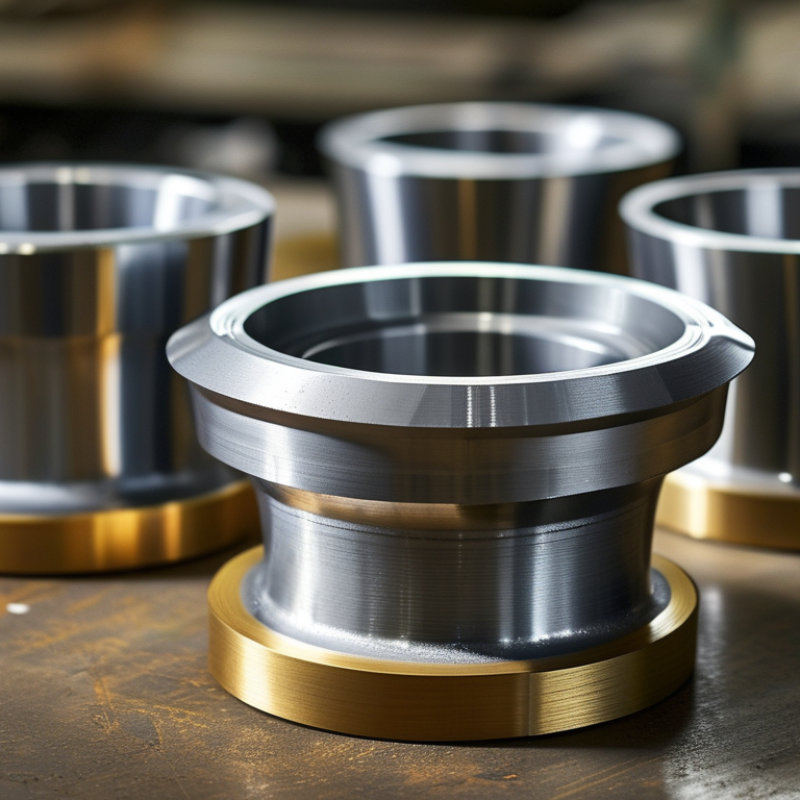
Understanding the Basics of Stainless Steel Casting Parts
When considering stainless steel casting parts for your project, it's essential to understand their composition and properties. Stainless steel is an alloy primarily composed of iron, chromium, and nickel. The chromium content enhances corrosion resistance, making these parts suitable for various environments. However, not all stainless steels are created equal. Knowledge of the grade selection is crucial to ensure optimal performance.
Common grades include 304 and 316. Grade 304 offers good corrosion resistance, while 316 excels in saltwater or chemical exposure. Depending on your project, selecting the right grade can influence durability and maintenance needs. It's crucial to evaluate the environmental conditions the casting will face.
Not every casting process yields perfect results. In some instances, flaws may appear due to improper mold design or cooling rates. Those imperfections can lead to failures down the line. Therefore, inspecting the parts before use and ensuring quality control throughout production is vital. This attention to detail helps solidify reliability in your project’s components.
Evaluating the Different Grades of Stainless Steel for Your Needs
When selecting stainless steel casting parts, understanding the different grades is crucial. Each grade offers unique properties that can greatly influence your project's success. For instance, 304 stainless steel is commonly used. It has excellent corrosion resistance and is suitable for many general applications. However, it may not perform well in acidic environments.
Another popular grade is 316 stainless steel. It provides better resistance to pitting and is ideal for marine applications due to its molybdenum content. However, it is more expensive than 304. Consider the project's specific environment and conditions. You may find that sacrificing a little performance can save costs.
Researching the specific requirements of your project helps ensure you select the best material. What’s the intended use? Will the parts face extreme conditions? Understanding these factors is essential. Not all grades will suit every situation. Therefore, take time to evaluate each option carefully. The right choice can enhance durability and performance while minimizing long-term costs.
Identifying Key Design Specifications for Casting Parts
When selecting stainless steel casting parts, defining key design specifications is crucial. The complexity of your project can significantly impact material choices. For instance, precision requirements can vary based on the tolerances needed. According to industry reports, nearly 40% of casting failures stem from inadequate design specifications. Identifying these criteria early can mitigate costly errors.
Material selection involves understanding the grades of stainless steel. Grades 304 and 316 are common but serve different purposes. Grade 304 offers good corrosion resistance and weldability. In contrast, Grade 316 is superior in marine environments. A 2022 study noted that 30% of manufacturers encountered challenges choosing between these grades due to unknown exposure conditions.
Additionally, consider the casting process itself. Different methods like sand casting or investment casting can impact the final properties of the parts. Industry insights suggest that about 25% of companies fail to align their casting processes with project requirements. This misalignment can lead to added costs and extended timelines. Designers must communicate clearly with engineers to prevent such issues.
Assessing Supplier Capabilities and Quality Control Processes
When selecting stainless steel casting parts, assessing a supplier’s capabilities is crucial. Investigate their manufacturing processes thoroughly. Reliable suppliers should offer transparency in their operations. Ask about their experience and technical expertise in stainless steel casting. Look for companies with established records of successful projects.
Quality control processes are equally important. A robust quality assurance system ensures that each part meets specifications. Inquire if the supplier holds certifications related to industry standards. Evaluate their testing methods. It’s essential to understand how they handle defects. Does the supplier have a reliable method for correcting errors?
Regular audits of the supplier’s practices can reveal strengths and weaknesses. Be cautious about choosing a supplier without a proven track record. Relying solely on price can be misleading. Consider long-term partnerships based on trust and quality. Each project may require different specifications, so flexibility in the supplier's processes is key. Making informed choices will lead to better outcomes for your project.
How to Choose the Right Stainless Steel Casting Parts for Your Project?
| Dimension |
Material Type |
Supplier Certification |
Quality Control Process |
Lead Time (Weeks) |
| 1.5 in x 3 in x 2 in |
316 Stainless Steel |
ISO 9001 |
In-process Inspection |
4 |
| 2 in x 4 in x 1 in |
304 Stainless Steel |
TS 16949 |
Final Quality Audit |
6 |
| 3 in x 5 in x 3 in |
430 Stainless Steel |
ISO 14001 |
Supplier Quality Assurance Program |
5 |
| 2.5 in x 6 in x 4 in |
316L Stainless Steel |
ASTM Standards |
Dimensional Inspection |
3 |
Considering Cost-Effectiveness and Budget Constraints in Selection
When selecting stainless steel casting parts, cost-effectiveness is key. Budget constraints often dictate the choice of materials and suppliers. It's important to balance quality with cost. Poor choices can lead to higher expenses in the long run. Understanding the durability and performance of alternatives is essential.
To ensure you're making informed decisions, consider these tips: Assess the specific requirements of your project. Sometimes, cheaper options may compromise quality. Choose parts that meet safety and performance standards. This may save money on maintenance in the future.
Additionally, consult with industry experts. Their experience can guide you toward cost-effective materials without sacrificing quality. Remember, investing a little more upfront can prevent larger issues later on. Trustworthy suppliers can provide valuable insights. Stay informed about market trends and material innovations. Your final decision should align with your project’s long-term goals and budgetary limits.
Cost-Effectiveness of Stainless Steel Casting Parts



 +86 180 0293 5268
 CONTACT Shixin
 CONTACT Shixin
 CONTACT Shixin