How to Master Stainless Investment Casting Techniques for Quality Results?
In the world of metalworking, mastering Stainless Investment Casting is essential for achieving high-quality results. This technique involves creating precise metal parts using a complex yet efficient process. It requires a blend of artistry and science, which can be both challenging and rewarding.
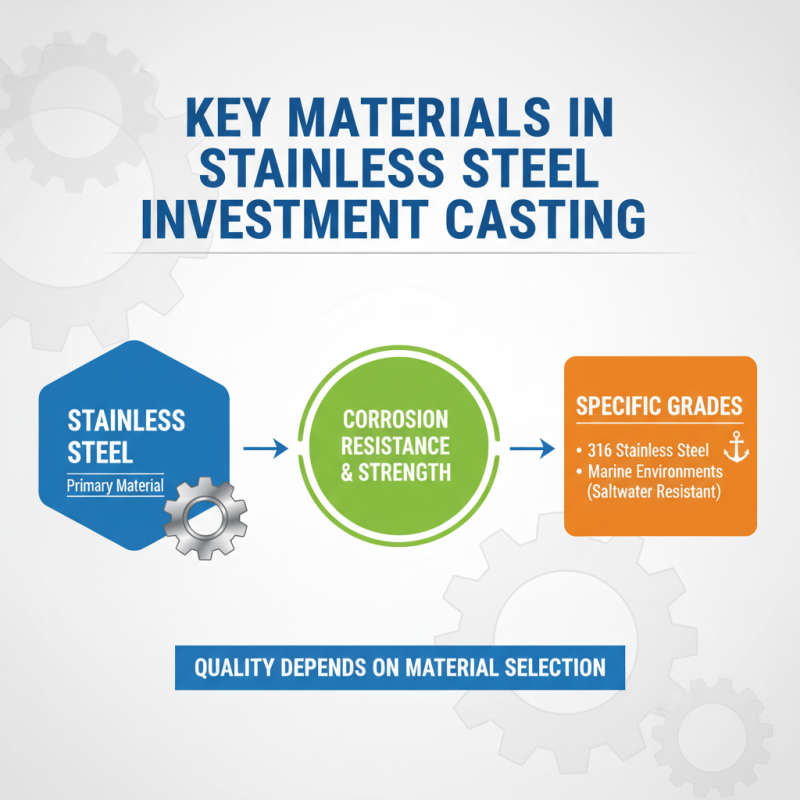
Stainless Investment Casting demands attention to detail. Every step, from designing the mold to the finishing touches, influences the final product. It's vital to understand the properties of stainless steel. This knowledge helps in selecting the right alloy and achieving the desired strength and durability. Mistakes in this process can lead to serious flaws, affecting the integrity of the final piece.
Practitioners often encounter hurdles throughout their journey. Sometimes, the casting may not meet the initial specifications. These setbacks offer valuable lessons, reinforcing the importance of continuous learning and adaptation. By reflecting on these experiences, one can refine their skills and elevate their craftsmanship in Stainless Investment Casting.
Understanding the Basics of Stainless Investment Casting Techniques
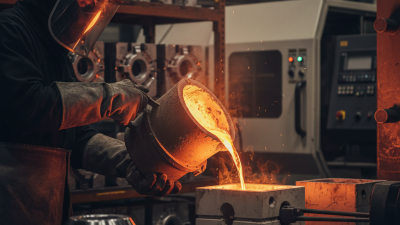
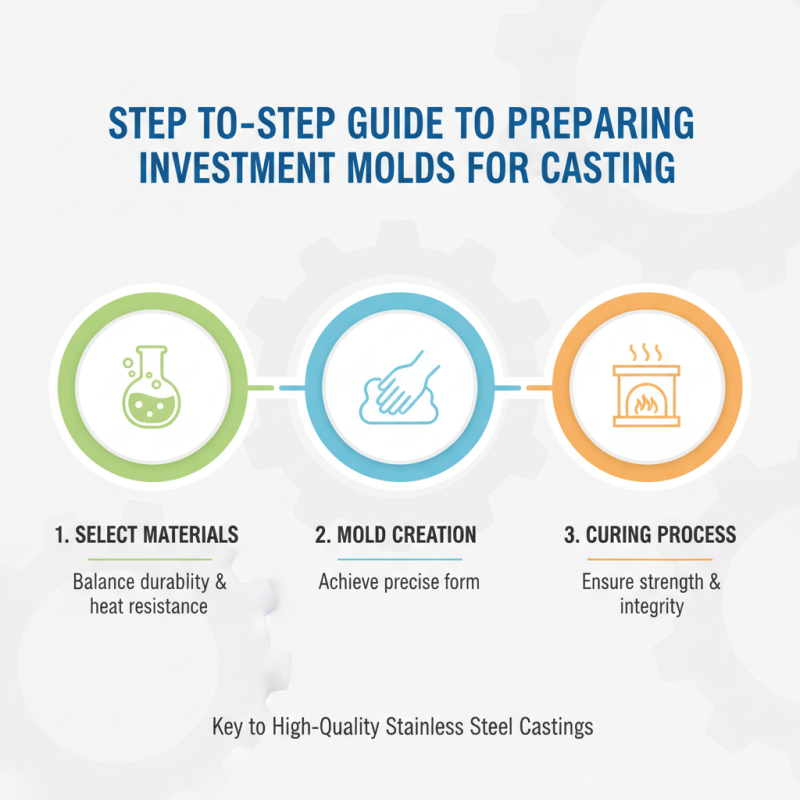
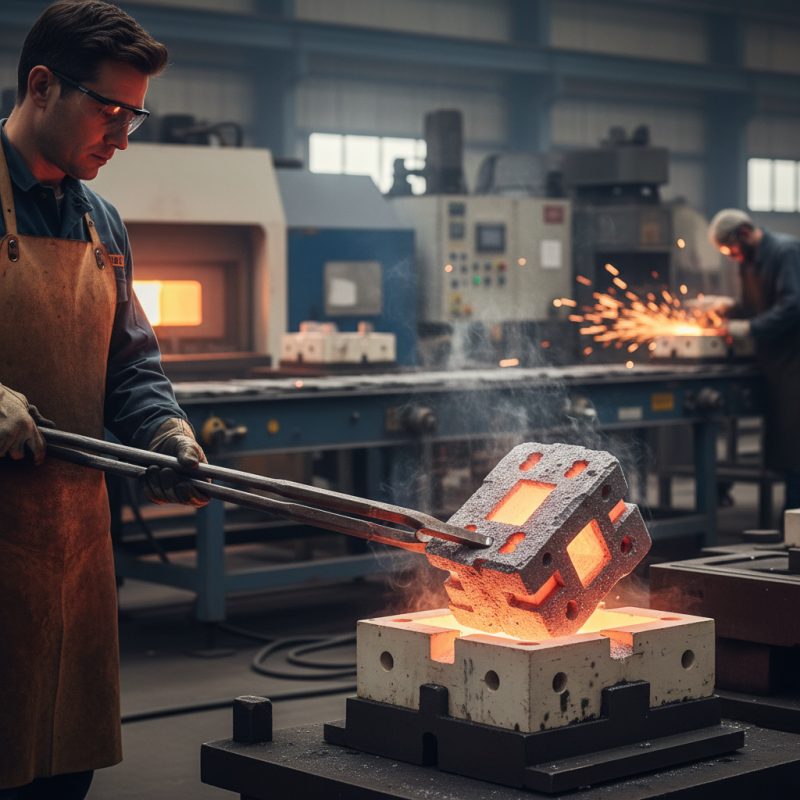
Stainless investment casting is a precision process used to create complex metal parts. This technique, often referred to as lost-wax casting, begins with a wax model. The model is coated with a ceramic shell, which is then heated to remove the wax. This creates a mold for molten stainless steel, ensuring high dimensional accuracy.
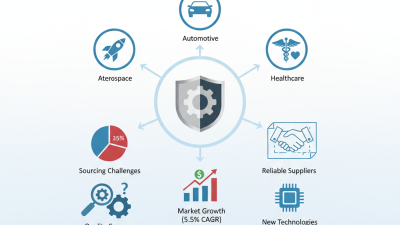
Industry reports indicate that stainless steel investment casting has a growth rate of about 5% annually. This growth is driven by increasing demand in sectors such as aerospace and medical devices. These industries require components that are both lightweight and strong, and stainless steel investment casting meets these criteria effectively.
When mastering stainless investment casting, consider these tips:
- Always inspect your wax patterns thoroughly. Small defects can lead to large issues down the line.
- Ensure proper temperature control when melting stainless steel; overheating can alter material properties.
- It’s crucial to refine your techniques continuously, acknowledging that perfection is an ongoing process.
- Even experienced casters may find imperfections. Reflecting on these can lead to improved outcomes and skill development.
Optimizing Heat Treatment for Quality Stainless Steel Castings
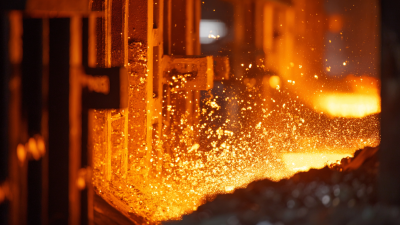
Heat treatment is a critical factor in stainless investment casting. Proper heat treatment enhances the mechanical properties of cast components. This process involves heating the castings to specific temperatures and then cooling them at controlled rates. Achieving the right balance can improve strength and ductility.
Temperature control is vital. If the heat treatment is too high or too low, it can lead to undesirable microstructures. This often results in weaker parts that may not meet performance standards. Monitoring the heating and cooling rates is essential. Inconsistent rates can create residual stresses, leading to potential failures later on.
Despite rigorous processes, issues can still arise. Operators may encounter challenges with distortion during heat treatment. It's important to analyze these outcomes and adjust methods accordingly. Continuous evaluation of techniques helps improve overall quality. Adopting a proactive approach can aid in identifying areas needing refinement.
How to Master Stainless Investment Casting Techniques for Quality Results?
| Aspect |
Details |
Optimization Techniques |
Resulting Benefits |
| Mold Design |
Precision mold design for complex shapes |
Use of CAD and simulation software |
Increased accuracy and reduced waste |
| Material Selection |
Choosing the right stainless steel grade |
Conducting thorough material testing |
Enhanced durability and corrosion resistance |
| Heat Treatment |
Processes like annealing and quenching |
Optimizing temperature and duration |
Improved mechanical properties |
| Surface Finish |
Achieving a high-quality surface finish |
Use of polishing and coating techniques |
Better aesthetics and performance |
| Quality Control |
Testing for defects and tolerances |
Utilizing advanced inspection tools |
Consistent product quality and reliability |
Common Defects in Stainless Investment Casting and Their Solutions
Stainless investment casting offers remarkable advantages for producing intricate and high-quality metal parts. However, it is not without its challenges. Common defects like surface imperfections, dimensional inaccuracies, and inclusions can affect final products significantly. Data from industry reports indicate that surface roughness can lead to a 25% increase in post-processing costs, highlighting the importance of meticulous casting practices.
Surface imperfections often stem from improper mold design or inadequate venting. Addressing these issues requires regular inspection and adjustments during the molding process. Interestingly, reports suggest that more than 30% of defects are preventable with proper training and adherence to casting protocols. Dimensional inaccuracies can occur due to thermal expansion and shrinkage during cooling. Implementing precise temperature control while using advanced modeling techniques can mitigate these issues effectively.
Inclusions, on the other hand, pose a more complex problem. Foreign materials can enter the mold during the pouring process. Utilizing high-purity materials and effective filtration systems can help reduce the risk. A study highlighted that refining inclusion detection methods can lower defect rates by up to 15%. These reflections on common issues within stainless investment casting illustrate the necessity for ongoing improvement in practices and technologies to achieve optimal results.
Common Defects in Stainless Investment Casting and Their Solutions



 +86 180 0293 5268
 CONTACT Shixin
 CONTACT Shixin
 CONTACT Shixin