How to Choose the Best Stainless Steel Casting Parts for Your Needs?
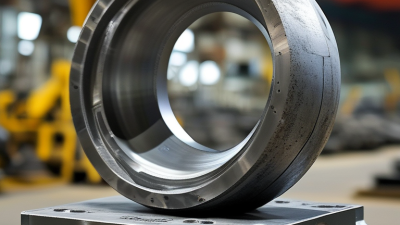
Choosing the right Stainless Steel Casting Parts can significantly impact your project’s success. These components are crucial in various industries, from automotive to aerospace. Understanding their properties and applications can help you make an informed choice.
Consider the specific requirements of your project. Different stainless steel grades offer distinct advantages. For instance, some are more resistant to corrosion, while others provide better strength and durability. Researching these properties is essential.
Engaging with reliable suppliers can also enhance your selection process. They can provide insight into which Stainless Steel Casting Parts best fit your needs. However, be cautious of overly optimistic claims. Always seek evidence of reliability in real-world applications. Your choice should reflect careful thought and consideration.
Understanding the Basics of Stainless Steel Casting Parts
When selecting stainless steel casting parts, understanding the basics is crucial. Stainless steel is an alloy, primarily made of iron, carbon, and chromium. This combination gives it unique properties, making it resistant to corrosion and heat. Cast parts offer versatility for various applications in industries like automotive and marine. However, not all stainless steel is created equal.
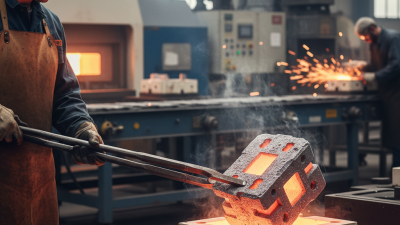
The casting process itself can significantly impact the quality of the parts. Different methods, such as sand casting or investment casting, yield varying results. Each method has strengths and weaknesses, affecting durability and precision. It's essential to consider these factors when choosing parts.
Moreover, not every stainless steel alloy fits every need. While some alloys are excellent for strength, others may be better for corrosion resistance. Assessing the specific requirements of your application is vital. It’s common for manufacturers to overlook these details, leading to subpar choices. Reflecting on the intended use can help avoid costly mistakes in the long run.
Identifying Your Specific Needs for Casting Parts
When selecting stainless steel casting parts for your project, understanding your specific needs is crucial. Consider factors like application type, weight tolerance, and environmental exposure. Research indicates that 65% of manufacturing failures stem from improper material selection. This underscores the importance of aligning part specifications with real-world demands, especially in industries like aerospace and automotive, where safety is paramount.
Another key aspect is the grade of stainless steel. Different grades offer varying corrosion resistance and strength. For example, Type 316 stainless steel excels in marine environments, while Type 304 is suitable for general applications. According to industry data, using the correct stainless steel grade can enhance durability by up to 50%. However, sourcing these materials can pose challenges, particularly in emergent markets where quality varies significantly.
It's also wise to consider production methods. Casting techniques can impact the final quality of parts. High-precision processes might be necessary for intricate designs, yet they can lead to higher costs. Think critically about your budget and timeline. Gathering detailed specifications from manufacturers can reveal gaps in your understanding. Such research is essential before making a final decision, as poor choices may result in costly revisions.
Evaluating Different Grades of Stainless Steel
When selecting stainless steel casting parts, understanding different grades of stainless steel is crucial. The most common grades include 304 and 316. Grade 304 is widely used due to its good corrosion resistance and weldability. It is suitable for many applications, but it may not perform well in chloride environments.
On the other hand, 316 stainless steel offers superior resistance to corrosion, especially in marine settings. It contains molybdenum, which enhances its durability. This grade is often preferred for parts exposed to harsher conditions. However, it is more expensive than 304.
Choosing the right grade involves considering your specific needs. Think about the environment where the parts will be used. Will they be exposed to chemicals or saltwater? Reflect on these factors before making a decision. A misstep here can lead to increased costs down the line.
Assessing the Manufacturing Process and Techniques
Selecting the right stainless steel casting parts requires understanding the manufacturing process. Each technique has unique benefits and applications. Common methods include sand casting, investment casting, and die casting. According to industry reports, nearly 70% of stainless steel parts are made using these methods, showcasing their importance.
Sand casting is favored for larger components. This method is cost-effective and versatile but may struggle with precision. On the other hand, investment casting offers high accuracy but at a higher price point. It is ideal for intricate designs. Understanding these distinctions can guide better choices for specific needs.
Tips: Always assess the dimensional accuracy required for your project. Some manufacturers may exceed standards, while others may not. Verify their capabilities. Additionally, consider lead times. Manufacturing processes can slow down delivery.
Finding a reliable supplier is crucial. Research their certifications and customer feedback. This ensures you get quality parts that meet your specifications. Your project's success hinges on these decisions.
Stainless Steel Casting Parts - Manufacturing Techniques Comparison
Comparing Suppliers and Their Product Offerings
When choosing stainless steel casting parts, evaluating suppliers is crucial. A recent industry report indicated that about 70% of manufacturers rely on supplier reputation and product quality. This highlights the importance of thorough research before committing to a partner. Look for suppliers with a proven track record, substantial experience, and positive reviews. Their expertise can significantly impact your project’s success.
Comparing product offerings from different suppliers is essential. Consider materials used, casting methods, and customization options. A recent survey revealed that 55% of businesses prioritize customized parts due to specific application needs. Ensure potential suppliers can meet these needs without compromising quality. Furthermore, check certifications and compliance with industry standards. This ensures the parts meet required performance criteria. Relying solely on price can lead to regrettable choices.
Lastly, consider lead times and support services. Suppliers with shorter lead times and responsive customer service can alleviate pressure during production. Companies often overlook this aspect, resulting in delays and increased costs. Assess how each supplier handles issues and inquiries. This insight can be as crucial as product quality in achieving overall satisfaction with the chosen parts.
How to Choose the Best Stainless Steel Casting Parts for Your Needs? - Comparing Suppliers and Their Product Offerings
| Supplier Location |
Material Grade |
Casting Method |
Lead Time (Weeks) |
Certification |
Price Range (USD) |
| USA |
316 Stainless Steel |
Investment Casting |
6 |
ISO 9001 |
$10 - $20 |
| China |
304 Stainless Steel |
Sand Casting |
8 |
SGS Certified |
$5 - $15 |
| Germany |
1.4301 (304) |
Die Casting |
4 |
DIN CERTCO |
$12 - $25 |
| India |
316L Stainless Steel |
Lost Wax Casting |
5 |
ISO/TS 16949 |
$8 - $18 |
| Brazil |
2205 Duplex Stainless Steel |
Shell Molding |
7 |
NBR 9001 |
$15 - $30 |



 +86 180 0293 5268
 CONTACT Shixin
 CONTACT Shixin

 CONTACT Shixin