CNC Machining Parts What Global Buyers Need to Know
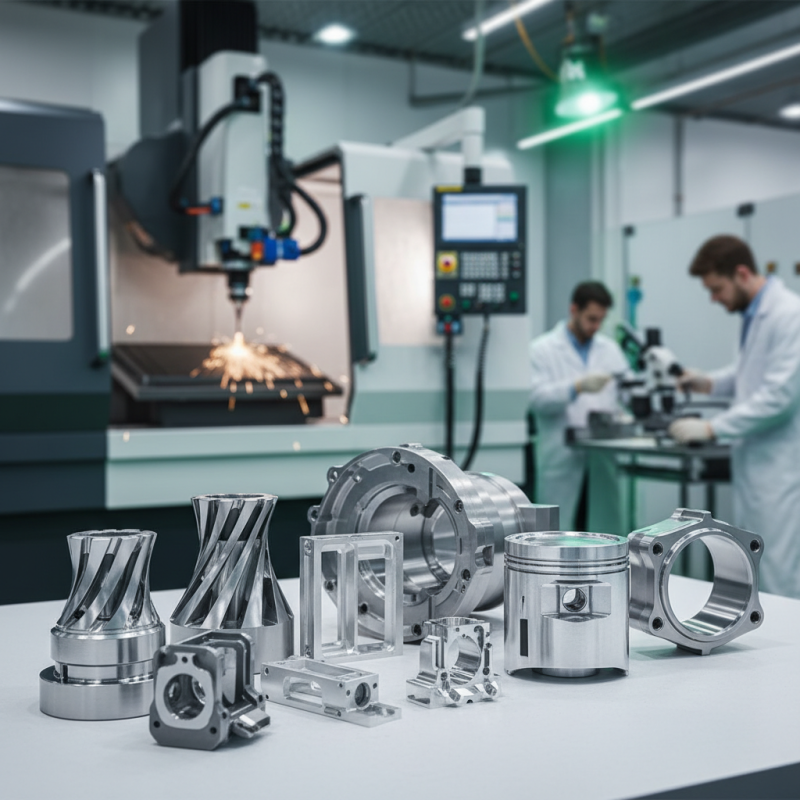
In the evolving landscape of global manufacturing, understanding CNC machining parts is crucial for buyers. These components are integral to various industries, including aerospace, automotive, and electronics. As technology advances, the demand for precision and efficiency increases.
When sourcing CNC machining parts, buyers must navigate a complex supply chain. Quality control and reliability are paramount in this process. Many companies face challenges, such as inconsistent quality and communication barriers with suppliers.
Buyers should consider the importance of selecting reputable manufacturers. Researching suppliers and seeking testimonials can mitigate risks. Experience in the industry often indicates reliability. Furthermore, evaluating a supplier’s certifications can provide additional assurance in the quality of CNC machining parts. The landscape is competitive, but informed decisions can lead to successful partnerships.
Understanding CNC Machining: A Primer for Global Buyers
CNC machining is essential for global manufacturing. Understanding this process can be overwhelming yet crucial for buyers. CNC, or Computer Numerical Control, automates tools to create precise parts. This technology has transformed industries, with the global CNC machine market expected to reach USD 100 billion by 2025, according to a report by MarketsandMarkets.
Buyers need to consider several factors before sourcing CNC parts. Material selection is vital for functionality and durability. Common materials like aluminum, plastic, and stainless steel each have unique properties. Each of these materials can affect cost, lead time, and part performance.
Tips: Always request samples before placing large orders. This ensures that the part meets your specifications and quality expectations.
Another area of concern is machining tolerance. Precision is critical in CNC machining, but often, discrepancies arise. Buyers should clearly communicate their specifications. Aligning expectations can prevent costly mistakes down the line.
Tips: Regularly reviewing vendor performance can enhance your supply chain. Understand their capabilities and limitations. Effective communication is key to establishing a successful partnership.
CNC Machining Parts What Global Buyers Need to Know
| Parameter |
Description |
| Material |
Aluminum, Steel, Brass, Plastic |
| Tolerances |
Typically ±0.005 inches or better |
| Surface Finish |
Anodized, Powder Coated, Polished, or Machined |
| Lead Time |
3 to 6 weeks depending on complexity |
| Industry Applications |
Aerospace, Automotive, Medical Devices, Consumer Electronics |
| Common Processes |
Turning, Milling, Drilling, Grinding |
| Quality Control |
CMM inspections, Surface Roughness Testing |
Key Materials Used in CNC Machining Parts
CNC machining parts are critical in various industries, and understanding the key materials used is essential for global buyers. Common materials include aluminum, steel, brass, and plastics. Each material has unique properties that influence the machining process and final product quality. For instance, a report by MarketsandMarkets indicates that the aluminum machining market is expected to grow by 5.7% annually, driven by its lightweight properties and corrosion resistance.
Aluminum parts are often preferred for aerospace and automotive applications. Steel offers durability and strength, making it suitable for heavy machinery. Brass is selected for its excellent machinability and conductivity, especially in electrical applications. Though plastics may not provide the same strength, they are advantageous for low-weight and corrosion-resistant needs. Interestingly, a study from ResearchAndMarkets revealed that over 30% of manufacturers are considering incorporating advanced composites into their CNC processes for improved performance.
Despite the benefits of these materials, challenges exist. For example, sourcing quality materials can be difficult, leading to inconsistencies. Some manufacturers report variance in quality that affects production timelines. Buyers should thus conduct thorough supplier evaluations to mitigate risks. It's also important to stay updated on material advancements, as the machining landscape is continually evolving.
Essential CNC Machining Processes and Techniques
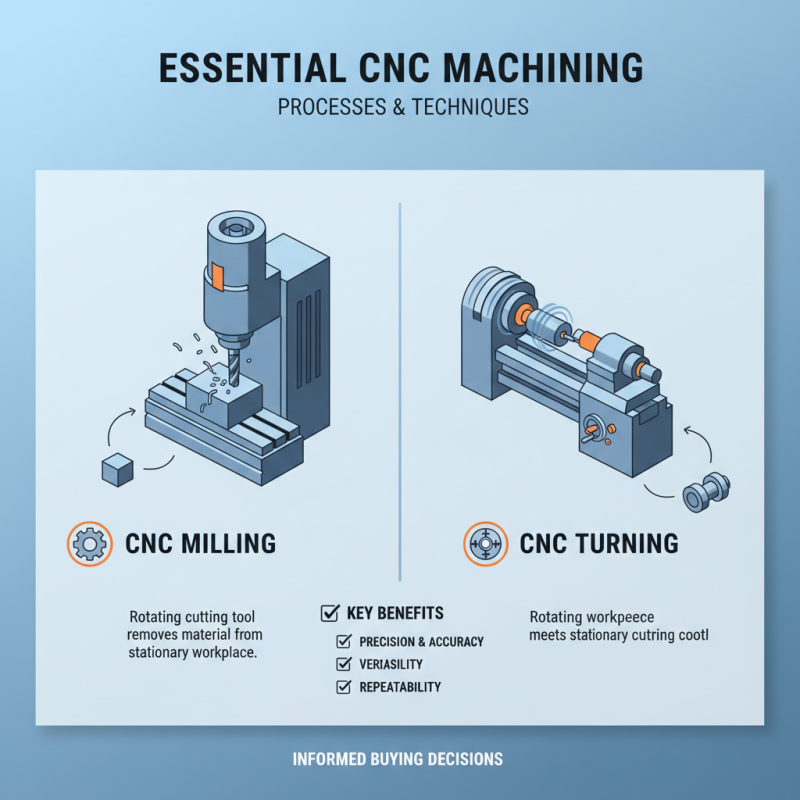
CNC machining encompasses various techniques vital for producing precise components. Familiarity with these processes helps buyers make informed decisions. For instance, milling and turning are common methods. Milling involves rotating cutting tools that remove material from the workpiece. Turning, on the other hand, rotates the material against a stationary cutting tool. Both processes require specialized equipment and expertise.
Understanding the nuances of each process is crucial. For example, while milling offers versatility, it can create complex shapes, turning may better suit cylindrical parts. Buyers should also consider tolerances and finish quality. These factors significantly influence the part's functionality. However, the right choice might not always be clear. Potential misunderstandings could lead to misaligned expectations.
Communication with manufacturers is essential. Discussing specific needs can bridge gaps in understanding. Manufacturers may have different capabilities, affecting final outcomes. Therefore, meticulous attention to detail is necessary for successful projects. Pricing and lead times can vary widely based on process choice. Buyers should reflect on their priorities to ensure satisfactory results.
Factors Affecting Cost and Quality in CNC Machining
When it comes to CNC machining, several factors influence both cost and quality.
Material selection is critical. Different materials come with varying machining difficulties. For instance,
aluminum is easier to work with than
stainless steel. This directly impacts lead time and expenses.
Global buyers must consider the specific needs of their projects when choosing materials.
Precision is another vital factor. Tighter tolerances usually require advanced machinery and skilled labor,
which can increase costs significantly. It's essential to evaluate the complexity of your design. A simple part may be affordable,
while a complex one could blow your budget. Consistency in quality is often a challenge. Variability in production
can happen due to machine wear or human error, leading to discrepancies in the final product.
Quality control measures can mitigate these issues. Inspecting parts at various stages of production helps ensure standards are met.
However, not all manufacturers maintain the same level of scrutiny. Buyers should inquire about quality assurance processes before committing.
Ultimately, understanding these factors is paramount for making informed sourcing decisions in CNC machining.



 +86 180 0293 5268
 CONTACT Shixin
 CONTACT Shixin
 CONTACT Shixin