What is Cnc Milling Parts and How to Source Them?
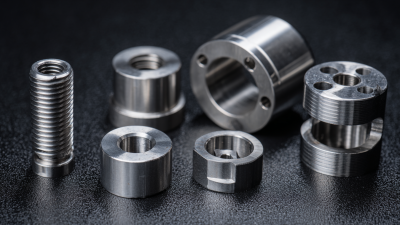
In the realm of precision manufacturing, Cnc Milling Parts play a pivotal role. Industry expert Sarah Johnson, a veteran in the field, states, "Quality Cnc Milling Parts are the backbone of any robust engineering project." This highlights the critical essence of sourcing the right components for successful production.
Cnc Milling is known for its unparalleled accuracy and efficiency. However, sourcing these parts can be challenging. Many businesses struggle with selecting reliable suppliers. A clear understanding of specifications and quality standards is essential. Without it, the production may face setbacks.
Moreover, the complexity of sourcing Cnc Milling Parts should not be underestimated. Some companies may prioritize cost over quality, leading to poor results. Reflecting on past experiences, choosing the right partner is crucial for long-term success. Balancing cost and quality requires careful consideration.
Understanding CNC Milling Parts: An Overview
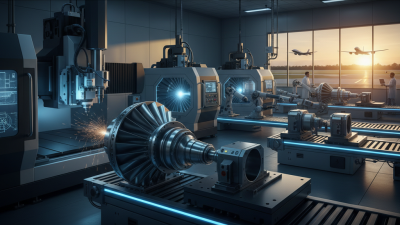
CNC milling parts are fundamental components in various industries, including automotive and aerospace. These parts are created through a sophisticated manufacturing process that involves precise material removal. According to a 2022 report by Research and Markets, the global CNC milling machine market is expected to reach $2.8 billion by 2025, indicating a robust demand for these components.
The process allows for the creation of highly complex shapes and designs. Accuracy is crucial; tolerances can go down to ±0.001 inches. This precision ensures that components fit seamlessly in assemblies. A key consideration in sourcing CNC milling parts is understanding the specifications. Material type, dimensions, and finishing requirements significantly affect the final product.
Tips: Always review the machinist's capabilities. Some may excel in metals, while others are better in plastics. Be clear in your requirements. Providing detailed drawings can prevent misunderstandings.
Choosing the right supplier can be challenging. Look for companies with certifications like ISO 9001, which signifies quality management standards. Also, consider suppliers that offer a wide range of materials and can handle different batch sizes. Engaging in direct communication helps in setting realistic timelines and managing expectations. Mistakes can occur in production, so it’s beneficial to have contingency plans in place.
CNC Milling Parts Production Volume by Material Type
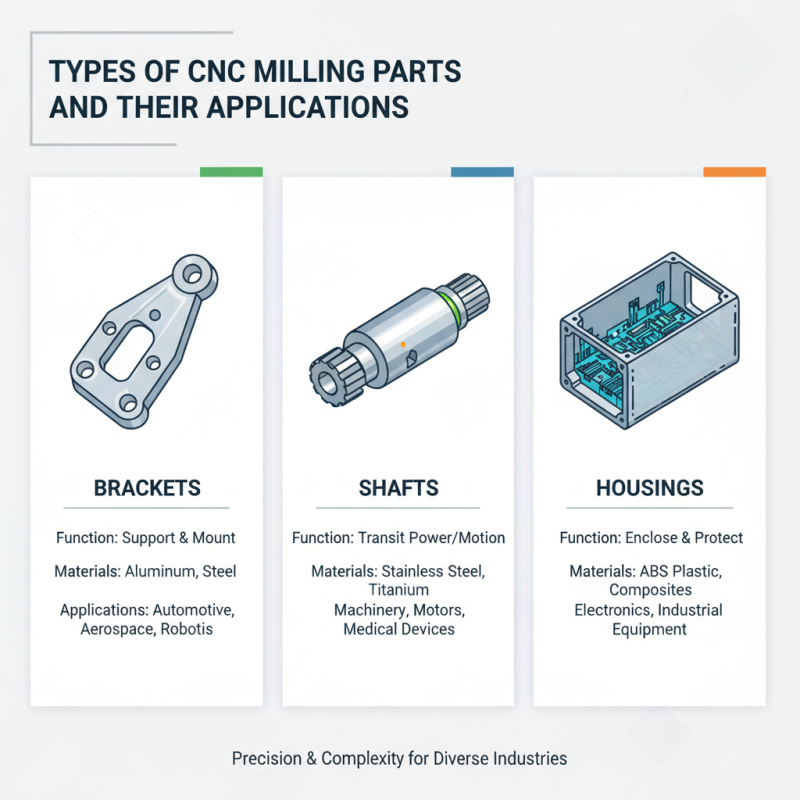
Types of CNC Milling Parts and Their Applications
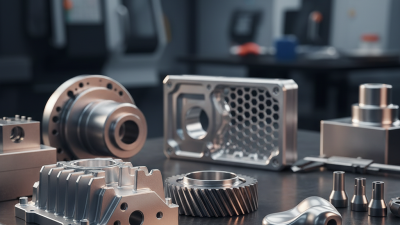
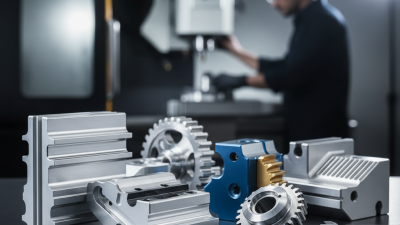
CNC milling parts play a crucial role in various industries, providing precise and complex shapes. These parts are commonly made from metals, plastics, and composites. Popular types include brackets, shafts, and housings. Each type is tailored to specific applications, from automotive components to electronic enclosures.
According to a recent market report, the CNC machining market is expected to reach $117 billion by 2025, with a significant portion attributed to milling parts. For instance, automotive applications often utilize precision-engineered brackets. In aerospace, weight and strength are critical. Components for this sector are often milled from aluminum alloys or titanium. These materials offer high strength-to-weight ratios that meet strict safety standards.
While sourcing CNC milling parts, challenges arise. Quality assurance is essential. A 2023 study indicated that 30% of manufacturers experienced issues with part defects. Proper vetting of suppliers can reduce these risks. Iterative designs can lead to improved outcomes. Balancing cost and quality remains a persistent hurdle for many businesses. Each decision impacts production timelines and budgets, demanding careful consideration.
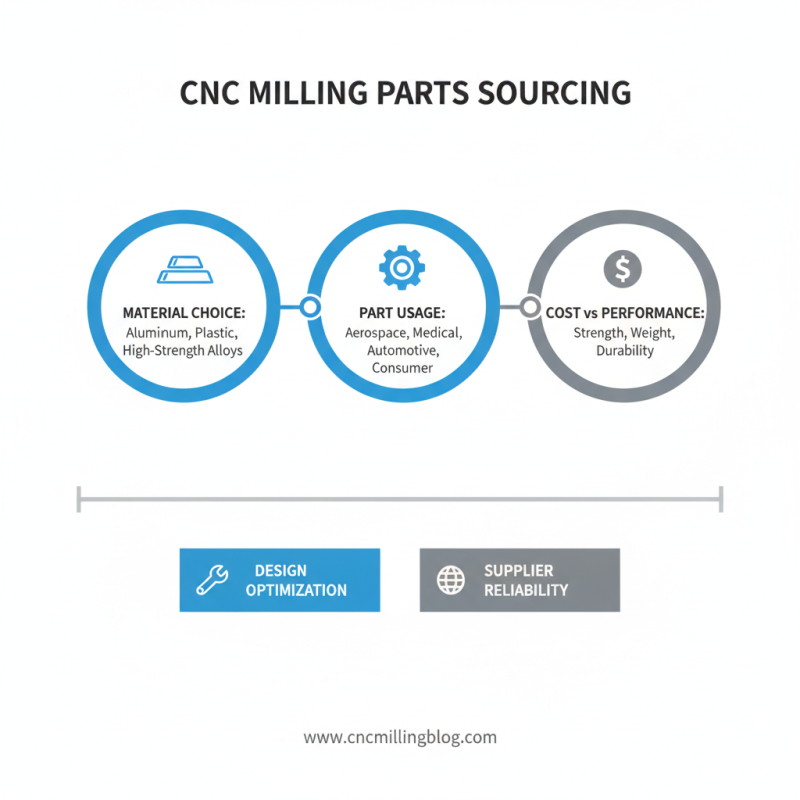
Key Factors to Consider When Sourcing CNC Milling Parts
When sourcing CNC milling parts, several key factors must be considered. The material choice is crucial. Different materials, like aluminum or plastic, can impact both cost and performance. Understanding the specific use of the part helps in selecting the right material. For instance, aerospace parts require high-strength materials, which can be more expensive.
Another important aspect is the manufacturer’s capabilities. Not all manufacturers have the same technology or experience. It’s essential to verify their machinery and expertise. Some companies may excel in precision machining, while others might focus on volume production. Requesting samples or visiting facilities can provide insight into their quality standards.
Quality assurance processes should not be overlooked. Reliable suppliers implement thorough inspection protocols to ensure parts meet specifications. Documentation of this process can help build trust. While it is tempting to choose the lowest price, overlooking quality can lead to costly mistakes. It's important to evaluate trade-offs between cost and reliability. Balancing these factors requires careful consideration and possibly some trial and error.
Steps to Find Reliable Suppliers for CNC Milling Parts
Finding reliable suppliers for CNC milling parts is crucial for successful production. According to a recent survey, 68% of manufacturers report delays due to poor supply chain management. Identifying trustworthy manufacturers can mitigate these risks.
Start by utilizing online platforms like industry directories. Look for suppliers with verified credentials.
Check their certifications and customer reviews. Quality certifications like ISO 9001 are critical. They show commitment to quality control. Connect with suppliers directly to discuss their production capabilities.
Networking within industry forums can also yield valuable insights. Many professionals share their experiences with various suppliers. Personal recommendations can direct you to reliable sources.
Additionally, consider requesting samples before committing. This allows you to assess the quality firsthand. Remember, choosing a supplier is not just about cost; it's about long-term partnership.
Quality Assurance and Inspection Processes for CNC Milling Parts
Ensuring quality in CNC milling parts involves rigorous assurance and inspection processes. These parts serve as the foundation for many industries, including aerospace and automotive. A malfunction or defect can result in significant costs and safety risks. To prevent such issues, manufacturers must implement robust quality control measures.
One essential aspect is dimensional inspection. This process checks if the parts meet the specified dimensions. Tools like calipers and CMM machines are commonly used. Visual inspections are also crucial. They identify flaws that machines may miss. However, relying solely on human inspection can sometimes lead to oversight. Regular training for inspectors is vital to maintain standards.
Another key process is material verification. Using the correct materials is critical for performance and durability. Some manufacturers may overlook this step, leading to failures in the field. Traceability of materials should be maintained from sourcing to production. Implementing these checks can enhance reliability and customer trust. Regular audits of these processes can also provide insights into areas needing improvement.



 +86 180 0293 5268
 CONTACT Shixin
 CONTACT Shixin

 CONTACT Shixin