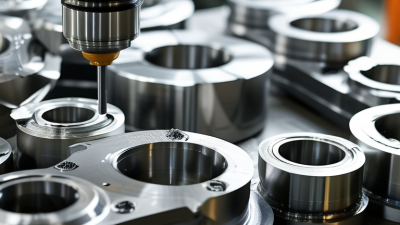
What Are the Key Benefits of CNC Machining Parts for Buyers?
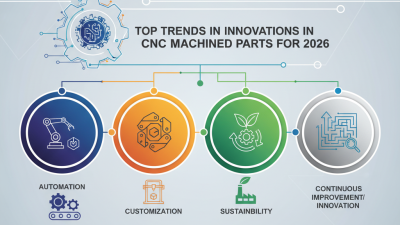
CNC Machining parts have revolutionized manufacturing across various sectors. According to a report by MarketsandMarkets, the CNC machining market is expected to reach $112.34 billion by 2026, driven by increasing demand for precision components. This surge highlights the value placed on high-quality machining processes.
Experts like John Smith, a seasoned engineer in the field, emphasize the advantages of using CNC Machining parts. He states, “Precision and efficiency are the heart of CNC machining. Quality is never compromised.” This reflects a trend where manufacturers prioritize accuracy over cost, recognizing that precision can lead to long-term savings.
CNC Machining parts offer several benefits, including customization, high precision, and reduced production time. However, buyers must consider potential challenges, such as the initial investment costs and the complexities of programming. Understanding these factors is vital in making informed decisions that enhance productivity and product quality.
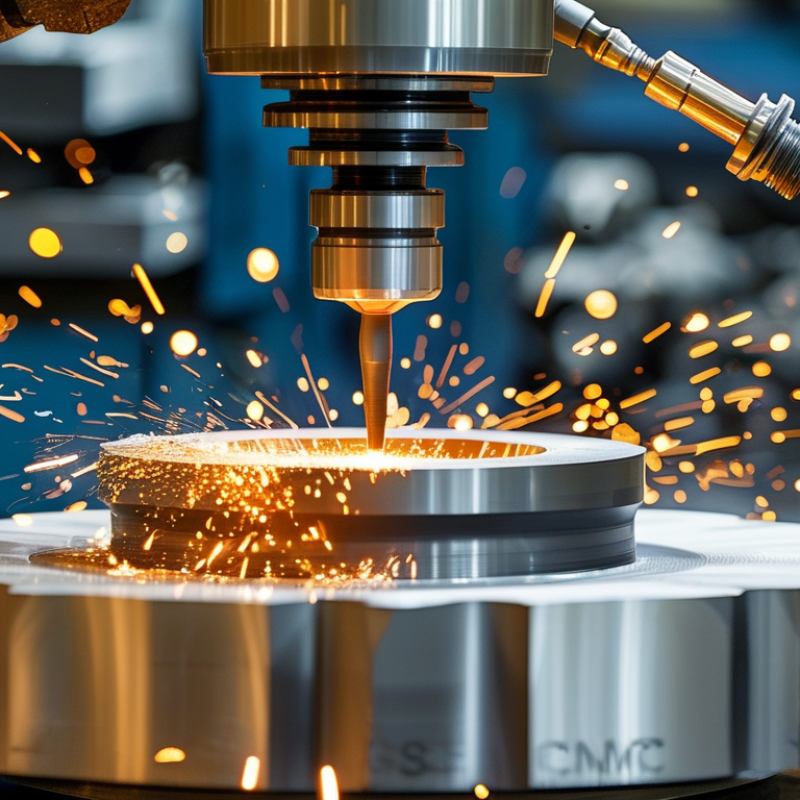
Key Advantages of CNC Machining in Production Efficiency
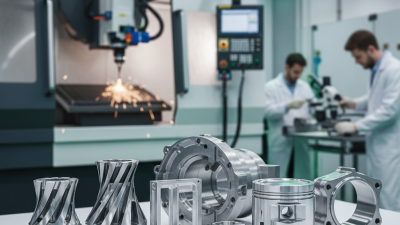
CNC machining offers significant advantages in improving production efficiency. Automated computer numerical control systems ensure precision and consistency in every part produced. This reduces the likelihood of errors that can arise from manual machining. A well-calibrated CNC machine can work continuously, which maximizes output and minimizes downtime. Buyers appreciate the reliability that comes with such technology.
Additionally, CNC machining allows for complex designs that are difficult to achieve manually. Parts can be manufactured with intricate geometries and tight tolerances. This capability enhances functionality without sacrificing quality. However, the initial investment in CNC technology can be substantial, which may cause hesitation for some buyers. It's important to weigh the costs against the long-term benefits.
While CNC machining can enhance production speed, it is not without its challenges. Operators must be skilled in programming and machine setup. Imperfect programming can lead to wasted materials and time. Regular maintenance is essential to maintain the machines’ operational efficiency. When managed well, the benefits of CNC machining can far outweigh these challenges, delivering exceptional productivity and innovation.
Precision and Consistency: The Hallmark of CNC Machined Parts
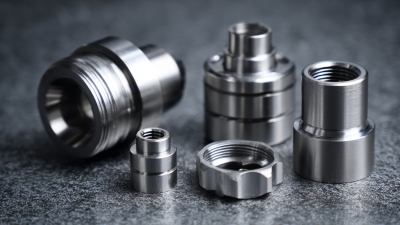
CNC machining offers unmatched precision and consistency, making it a game-changer for buyers in various industries. Unlike traditional machining methods, CNC (Computer Numerical Control) machining eliminates human error. Machines follow exact specifications programmed into them. This results in parts that meet tight tolerances consistently. When a component is made with CNC, you can expect uniformity across batches. This is crucial for sectors like aerospace, automotive, and medical.
However, it’s important to recognize that precision varies with machine calibration. Regular maintenance is necessary to sustain accuracy. Even minor wear can affect the final product. While CNC parts can showcase incredible consistency, discrepancies may still arise if the programming is not flawless. Buyers must remain vigilant and communicate closely with their machine operators. This engagement allows for adjustments and mitigates risks associated with unforeseen errors.
Another key aspect is time efficiency during production. CNC machines can operate continuously, offering rapid turnaround for high-volume orders. However, setting up these machines can be time-consuming and requires expertise. Sometimes, initial runs might not capture intended designs perfectly. Buyers should be prepared for initial prototyping phases. This iterative process helps ensure that the final output aligns with the desired specifications. Engaging with skilled machinists can greatly improve the outcome.
Material Versatility: Expanding Options for Buyers
CNC machining offers remarkable material versatility. This capability allows buyers to select from a wide range of materials, including metals, plastics, and composites. Each material has unique properties. This trait enables manufacturers to tailor parts to specific applications. For instance, aluminum is lightweight and corrosion-resistant. On the other hand, stainless steel provides strength and durability.
Buyers often encounter challenges when choosing materials. They must consider factors like strength, weight, and cost. Inadequate knowledge can lead to poor choices, impacting project outcomes. Working with experienced machinists can help navigate these complexities. They provide insights into material compatibility and performance. Understanding the properties of various materials can lead to more effective decision-making.
The flexibility of CNC machining also allows for innovative designs. Custom parts can be created based on unique specifications. This adaptability can spur creativity and improve functionality. However, designers should remain mindful of the limits. Not all designs are feasible with every material. Balancing creativity with practicality is essential in achieving the best outcomes.
Customization Potential: Tailoring CNC Machined Parts to Specifications
CNC machining offers unparalleled customization potential for manufacturers and engineers. This precision technology allows parts to be tailored to specific designs and dimensions. Buyers can dictate material choice, size, and even intricate designs. This flexibility enhances functionality and meets unique requirements across diverse industries.
Customization not only improves performance but can also lead to cost savings. When parts are designed to fit exact needs, waste is minimized. However, the customization process can introduce challenges. Each unique specification requires careful planning. Buyers must clearly communicate their needs to avoid misunderstandings.
Moreover, while CNC machining brings many benefits, it may lead to unexpected complexities. Deliveries could be delayed if specifications are not well-defined. Engineers may face hurdles during production if initial designs are not feasible. As such, a thorough review of designs before finalizing is essential. Customization has great potential, but it demands a proactive approach.
Cost-Effectiveness: Understanding the Economic Benefits of CNC Machining
CNC machining has transformed manufacturing efficiency. This technology offers significant cost savings for buyers. According to industry reports, businesses can reduce production costs by up to 30% using CNC machining versus traditional methods. This reduction primarily stems from lower labor costs and minimized waste.
Moreover, CNC machining provides remarkable precision. With tolerances as tight as ±0.001 inches, parts produced are exceptionally accurate. This precision reduces the likelihood of rework. Remarkably, approximately 60% of parts manufactured via CNC don’t require any post-processing. This further contributes to cost savings.
Despite these advantages, a challenge persists. Initial investment costs for CNC machinery can be high. Buyers must weigh long-term benefits against upfront expenditures. However, with the technology's lifespan averaging over a decade, businesses often recover their investments quickly. Understanding this balance is crucial for making informed purchasing decisions.
Economic Benefits of CNC Machining



 +86 180 0293 5268
 CONTACT Shixin
 CONTACT Shixin
 CONTACT Shixin