How to Source Quality CNC Machined Parts for Your Project?
When sourcing quality CNC machined parts, understanding the nuances of the industry is crucial. John Marshall, a leading expert in CNC machining, once stated, "Quality is not just about precision; it's about understanding the complete process." This insight underscores the importance of selecting reliable suppliers who prioritize excellence.
The journey to find top-notch CNC machined parts can feel overwhelming. Companies often struggle with varying standards and specifications. Many might choose the cheapest option, only to encounter issues later. These experiences can lead to costly delays and rework. A thoughtful approach is essential.
One effective strategy is to focus on supplier reputation. Connect with professionals in the field for recommendations. Look for certified manufacturers with proven track records. Quality assurance processes must be prioritized. A genuine partnership can make all the difference. Reflecting on past sourcing decisions can provide valuable insights. It's important to learn from both successes and setbacks in the quest for quality CNC machined parts.
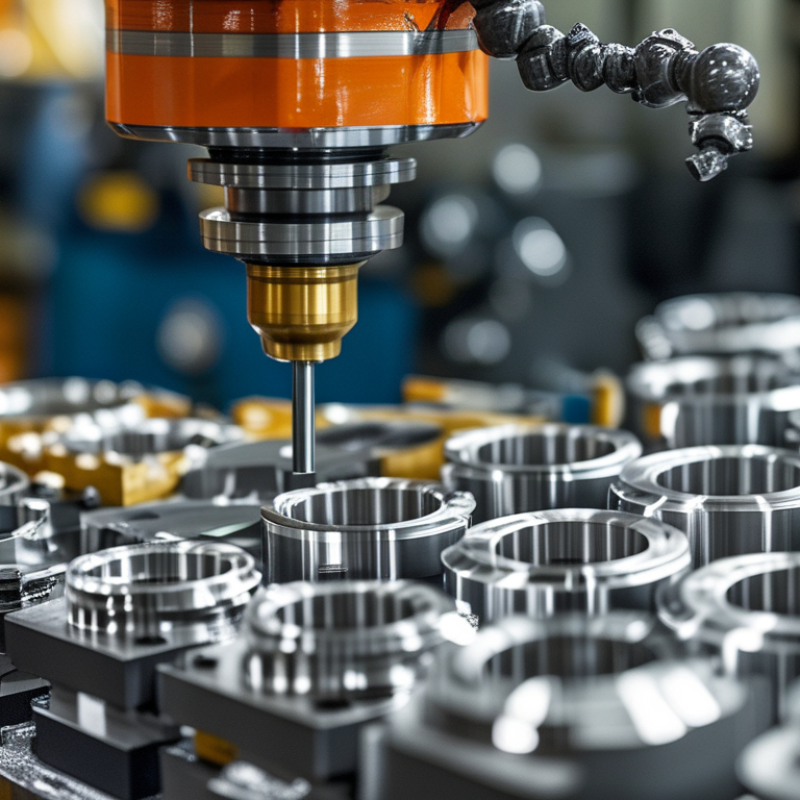
Identifying Your Project's CNC Machined Parts Specifications
Identifying the specifications for CNC machined parts is crucial to any successful project. Start by determining the material you need. According to industry reports, aluminum and stainless steel are among the most commonly used materials due to their strength and versatility. Understanding your project's requirements will also involve considering factors like tolerance levels, surface finish, and the complexity of the design. Steps taken in this stage can avoid costly mistakes later on.
Precision is important. Industry standards suggest that tolerances can range from ±0.005 inches for general machining to ±0.0005 inches for high precision applications. This means you need to be clear on your desired level of precision to ensure that the parts will fit and function as intended. You must also take into account the production volume. Low-volume runs may require different considerations than high-volume orders. Reflect on your needs to determine not just what you want, but also what you realistically require in terms of quality and budget constraints.
Researching Potential Suppliers and Their Industry Credentials
When sourcing CNC machined parts, understanding potential suppliers is crucial. Begin by examining their industry credentials. Look for certifications such as ISO 9001, which ensures a quality management system is in place. Reports indicate that 71% of customers prioritize suppliers with recognized quality standards. This data suggests that verified credentials can significantly enhance your project's success.
Engage with suppliers by asking about their manufacturing processes. Understand their capabilities and limitations. For instance, inquire about the types of materials they work with and their machining techniques. A survey revealed that 64% of projects face delays due to inadequate supplier communication. This reflects the need for clear dialogue to prevent misunderstandings and ensure timely delivery.
It's also valuable to seek reviews from previous customers. These can offer insight into a supplier's reliability. However, take some feedback with caution, as reviews can sometimes be biased. Striking a balance between positive affirmations and constructive criticism is key. In the competitive CNC machining industry, having reliable partners can make all the difference in meeting project specifications and timelines.
How to Source Quality CNC Machined Parts for Your Project?
| Supplier Location |
Manufacturing Capabilities |
Industry Certifications |
Average Lead Time (Days) |
Minimum Order Quantity |
| USA |
CNC Milling, CNC Turning |
ISO 9001, AS9100 |
10 |
50 |
| Germany |
CNC Milling, 3D Printing |
ISO 9001, TS 16949 |
15 |
100 |
| China |
CNC Milling, CNC Laser Cutting |
ISO 9001 |
20 |
200 |
| Canada |
CNC Milling, CNC Wire EDM |
ISO 9001, AEROSPACE |
12 |
25 |
| India |
CNC Turning, CNC Grinding |
ISO 9001, ISO 13485 |
18 |
75 |
Evaluating Supplier Quality through ISO Certifications and Standards
When sourcing CNC machined parts, evaluating supplier quality is crucial. ISO certifications are a clear indicator of a supplier's commitment to quality. These certifications demonstrate adherence to international standards. They show that a company has undergone rigorous audits and meets specific quality benchmarks. However, not all certifications are created equal. It's essential to verify the validity and relevance of the certifications presented.
Inspecting a supplier’s quality management systems is equally vital. Look for details on their manufacturing processes and quality control measures. Understanding how a supplier manages their production can highlight potential risks. Companies with transparent procedures often provide better reassurance. Be attentive to their past performance and client feedback.
It’s also worth noting that certification doesn’t guarantee perfection. Mistakes can still happen, even with certified suppliers. Assess how they handle errors and their approach to corrective actions. This can reveal the level of reliability you may expect. A consistent history of resolving issues can indicate a supplier’s resilience and dedication to continuous improvement.
Assessing Machining Capabilities and Material Options Available
Understanding the machining capabilities and material options is essential when sourcing CNC machined parts. Various industries demand precision, often requiring tolerances within ±0.001 inches. According to a recent industry report by SME, 29% of manufacturers struggle with matching materials to part specifications. A thorough assessment can help avoid costly mistakes.
Material options—like aluminum, steel, and plastics—each offer unique properties. Aluminum, for instance, is lightweight and corrosion-resistant, making it suitable for aerospace applications. Meanwhile, carbon steel offers durability for heavy machinery. The choice of material should align with both functional requirements and budget constraints. It's crucial to consider how each material interacts with specific machining processes.
When assessing machining capabilities, verify the equipment used by your supplier. Advanced machinery can produce complex geometries with precision. Also, inquire about their quality control processes. Sometimes, parts may meet specifications but not work well in intended applications. Maintaining a close relationship with your supplier can provide insights into their capabilities and help facilitate adjustments when necessary. Engage in clear communication and regular updates to ensure project goals are met.
Conducting Cost Analysis and Comparing Supplier Quotes for Value
Conducting a cost analysis when sourcing CNC machined parts is crucial. It helps you understand the financial implications. Evaluate the quotes you receive from multiple suppliers. This will ensure you find the best value. Look beyond the price and consider quality and lead time. A lower cost does not always equate to better value.
Understanding the breakdown of costs in each quote is essential. Analyze material, labor, and overhead expenses. Some suppliers may provide lower quotes by cutting corners. Always ask for clarification on any vague terms in their proposals. This transparency can reveal hidden costs later.
When comparing quotes, don't hesitate to ask for references. A reputable supplier should have a track record of satisfied clients. Check their reviews and past work. You may find varying levels of quality among different suppliers. Such insights can guide your decision-making process. Sometimes, the cheapest option might not deliver the quality you need. This requires careful evaluation and reflection.



 +86 180 0293 5268
 CONTACT Shixin
 CONTACT Shixin
 CONTACT Shixin