Leave Your Message

Top 10 Aerospace Machining Suppliers for Global Buyers

Global aerospace programs depend on components made to exact specifications, with material traceability and repeatable quality at every stage. Aerospace Machining suppliers may produce turbine housings, structural fittings, or flight-control components, each requiring different equipment and process controls. A clean finish matters. So do inspection records, delivery consistency, and clear communication when designs change. For global buyers, the right partner is not simply the one with the newest machines. It is the one whose capabilities match the part, production volume, and quality requirements.

This guide introduces ten suppliers for buyers to evaluate, rather than treating any list as a universal ranking. It considers factors such as machining capacity, quality systems, materials experience, and international customer support. These points can help narrow a search, but they do not replace direct supplier audits or part-specific technical reviews. Certifications and capabilities should be confirmed with each supplier, since their scope and status can change. A polished website is not proof of production fit. And even a strong supplier may be wrong for a particular program. Buyers should compare documented evidence, ask how inspection results are recorded, and clarify lead times before committing. Some details are easy to overlook until a schedule slips. That is worth remembering.

Top 10 Aerospace Machining Suppliers for Global Buyers

Aerospace Machining: Key Processes, Materials, and Requirements

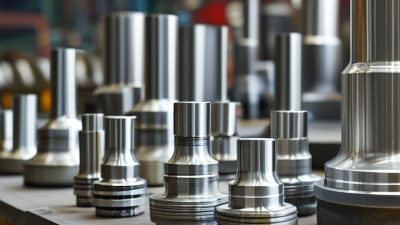
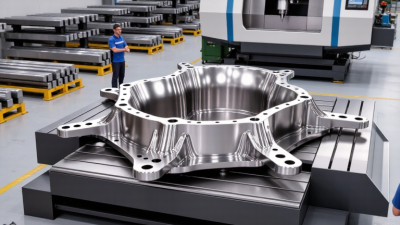
Aerospace machining turns engineering drawings into components that must fit precisely and perform reliably. Common processes include CNC milling, turning, drilling, and five-axis machining. Five-axis equipment can reach several surfaces in one setup, reducing repositioning errors. Yet advanced machinery alone does not guarantee a sound part. Tool wear, vibration, and heat can still affect dimensions, especially around thin walls and deep pockets.

Material choice shapes the process. Aluminum alloys are relatively light and machinable, while titanium alloys offer strength but generate heat during cutting. Nickel-based alloys tolerate demanding temperatures, though they can wear tools quickly. Operators often adjust cutting speed, coolant delivery, and tool geometry for each material. Small changes matter. A poorly supported workpiece may flex, leaving a surface that looks acceptable but misses tolerance.

Requirements extend beyond dimensions. Aerospace components may need documented material traceability, controlled production records, and inspection results linked to each part. Coordinate-measuring machines can verify critical features, while visual checks help catch burrs or surface damage. Measurement plans should reflect actual drawing tolerances, not just convenient checkpoints. One limitation deserves attention: inspection cannot repair a weak process. Suppliers need stable setups, calibrated instruments, and clear records. Even then, complex parts can reveal unexpected variation, so process reviews should remain open to revision.

How to Evaluate Aerospace Machining Suppliers

When comparing aerospace machining suppliers, look beyond hourly rates and polished capability lists. The FAA’s 2024–2044 Aerospace Forecast projects U.S. commercial-airline revenue passenger miles to grow about 2.2% annually. That outlook makes dependable capacity and delivery planning worth checking, not assuming.

Ask how each shop controls material identity from receiving through final shipment. Request sample inspection records, nonconformance reports, and evidence of first-article inspection under AS9102. A coordinate-measuring-machine report should connect measured features to the drawing’s actual tolerances.

Check whether the supplier can explain tool-life limits, fixture repeatability, and how it handles a late engineering change. Specific answers matter.

Visit the floor if possible. Look for labeled material, clean workholding, and current calibration stickers beside the machines. Review audit findings against AS9100 requirements, but do not treat a certificate as proof of every process.

That is imperfect.

Ask about subcontracted treatments, capacity during peak demand, and recovery plans after equipment failure. A useful scorecard weighs quality history, traceability, technical communication, and realistic lead times alongside price.

No scorecard catches everything. A missed detail in a handoff can still delay a shipment.

Top 10 Aerospace Machining Suppliers for Global Buyers

Top 10 Aerospace Machining Suppliers for Global Buyers

Choosing among aerospace machining suppliers takes more than comparing prices. Buyers should examine experience with demanding components, such as thin-walled housings, landing-gear parts, and turbine fittings. Ask how suppliers control tight tolerances and document each production step. A clear inspection plan matters. So does material traceability, from incoming stock to finished part. Supplier rankings can offer a starting point, but their criteria may not match your project.

Tips: Request sample inspection records, process-control details, and realistic lead times. Confirm how the supplier handles design changes and nonconforming parts. Compare quotations only after checking that they cover the same materials, inspections, and delivery terms. A low price can hide gaps. Look closely.

Global buyers should also assess communication across time zones, production capacity, and shipping arrangements. Ask who will answer technical questions and how often progress updates arrive. A factory tour or remote audit may reveal useful details, though neither guarantees future performance. Even a capable supplier can struggle when forecasts change suddenly. That risk deserves discussion before a purchase order is placed.

Comparing Supplier Capabilities, Certifications, and Global Reach

Top 10 Aerospace Machining Suppliers for Global Buyers

Comparing suppliers takes more than scanning machine lists or comparing hourly rates. Buyers should match each supplier’s equipment and process controls to the part’s material, tolerances, and production volume. A five-axis mill may handle complex geometry, but it does not prove consistent results. Ask for sample inspection reports, measurement methods, and details about how changes are controlled. Numbers need context.

Certifications help assess management systems, but buyers should confirm the certificate’s validity, scope, and covered facility. An aerospace quality certification does not automatically qualify every process or component. Check whether the supplier can provide traceability for material batches and inspection records. Global reach matters too: review shipping routes, packaging practices, communication hours, and experience coordinating deliveries across regions. A polished capability sheet can still leave gaps; I would not treat distance or certification alone as a reliable shortcut.

Tips: Request a recent, anonymized first-article inspection example. Confirm who handles schedule updates and nonconformance reports. For critical parts, compare actual lead times and backup capacity—not just quoted capacity. A small pilot order can reveal communication issues before they affect a larger program.

Top 10 Aerospace Machining Suppliers for Global Buyers - Comparing Supplier Capabilities, Certifications, and Global Reach An anonymized buyer-comparison framework organized by supplier capability profile
Profile Typical machining capabilities Credentials to verify Global reach indicators Potential fit
01 · Integrated production partner Multi-axis CNC milling and turning; production planning; in-house or managed inspection and finishing. AS9100 quality-management certification; ISO 9001 certification; scope and site coverage of each certificate. Multiple production sites, documented export procedures, and established shipping lanes to major aerospace markets. Buyers seeking consolidated production and supplier coordination.
02 · Complex-part machining specialist Five-axis machining and precision milling for complex geometries, thin walls, and close-tolerance parts. AS9100 certification where required; customer-specific approvals; documented capability studies and inspection records. Export experience, multilingual technical support, and defined processes for international order management. Programs with demanding geometry or high-value machined components.
03 · High-volume production supplier Repeatable CNC production, automated loading, process monitoring, and production-capacity planning. AS9100 or ISO 9001 certification as applicable; evidence of process control, traceability, and change management. Capacity to support recurring shipments, regional warehousing, or agreed inventory programs. Stable, repeat-demand parts where delivery consistency is a priority.
04 · Prototype and low-volume partner Prototype machining, short-run production, design-for-manufacturing feedback, and engineering change support. Quality-system certification appropriate to the program; documented configuration control and inspection planning. Responsive quoting and engineering communication across time zones; export documentation capability. Development programs, first articles, and low-volume or changing requirements.
05 · Structural-component specialist Machining of large or lightweight structural components, including deep-pocket and multi-setup work. AS9100 certification where applicable; material and process traceability; verified dimensional inspection capability. Suitable facilities, packaging, and freight arrangements for oversized or damage-sensitive parts. Airframe and other structural applications requiring large-part capacity.
06 · Engine-component machining specialist Precision turning and milling for engine-related components; controlled processes for specified alloys and materials. AS9100 certification and customer approvals as required; verify any special-process accreditation by scope and site. Documented handling of export controls, material records, and cross-border shipment requirements. Engine programs with stringent process, material, and documentation needs.
07 · Special-process network coordinator CNC machining combined with qualified outside services such as heat treatment, coating, or nondestructive testing. AS9100 or ISO 9001 certification as applicable; verify Nadcap accreditation for the specific process and facility when required. Nadcap is an accreditation, not a certification. Approved subcontractor network, clear responsibility for supplier oversight, and international shipment coordination. Buyers needing multiple controlled processes managed through one point of contact.
08 · Precision inspection-led supplier CNC machining supported by coordinate-measuring machines, calibrated equipment, and formal inspection planning. Quality-system certification; calibration records; measurement-system controls; customer-approved first-article documentation when required. Secure digital document exchange and reliable provision of inspection records to overseas customers. Parts where measurement evidence and audit readiness are central requirements.
09 · Regional export-focused supplier General and multi-axis CNC machining with production processes tailored to a defined regional customer base. Verify current AS9100 or ISO 9001 certificate status, certified locations, and any customer-specific approvals. Established customs processes, regional logistics partners, and support in the buyer’s operating time zone. Buyers prioritizing regional supply, communication, and shorter logistics routes.
10 · Controlled-program supplier Machining performed under customer-defined security, configuration, documentation, and access-control requirements. Verify program-specific approvals and applicable export-control obligations. U.S. ITAR registration is a registration, not a certification; confirm relevance and status directly. Documented controls for restricted technical data, authorized personnel, and compliant cross-border transactions. Programs with export-control, security, or restricted-data requirements.

Important: These are generalized supplier archetypes, not verified profiles of ten specific suppliers or a ranked list. Certifications, accreditations, export-control status, capabilities, and geographic coverage vary by company, facility, and scope; verify current evidence directly before qualification or purchase.

Steps for Qualifying and Managing a Machining Partner

Qualifying an aerospace machining partner starts with evidence, not a polished capability deck. Review its quality-system certification, scope, and recent audit findings. Then sample the full production route: material certificates, setup sheets, inspection records, and revision control. For a flight-critical component, ask how the supplier controls tool wear and measures a thin-wall feature after machining. Details matter. The FAA’s Aerospace Forecast FY 2024–2044 projects continued growth in U.S. commercial aviation, making dependable capacity planning a practical qualification issue. Confirm actual machine availability, backup plans, and realistic lead times—not just quoted capacity.

Run a first-article inspection before approving repeat orders, and verify that the report matches the drawing revision and purchase requirements. Check traceability from raw-material heat numbers through finished-part records. For complex work, review subcontracted special processes and how nonconformances are contained. Set a small scorecard: on-time delivery, rejection rate, corrective-action closure, and engineering-change response time. Review it monthly at first, then adjust the cadence based on performance. A clean audit does not guarantee a smooth launch; that is easy to forget. Keep communication specific: a marked-up drawing and one accountable contact often beat a long email chain. Reassess the partner when volumes, materials, or tolerances change.

Top 10 Aerospace Machining Suppliers for Global Buyers

Example Partner Qualification and Management Evaluation Weights

Use these buyer-defined example weights to structure a supplier review, not as market statistics or ratings of individual companies. Verify quality controls, inspection capability, traceability, special-process oversight, delivery capacity, and engineering support with documented evidence before awarding work.