


 +86 180 0293 5268






Industry News

High-Precision CNC Machining: How Can Sustainable Manufacturing Be Achieved?
2026-10-27
With the advancement of technology and society, the green manufacturing of high-complexity, tight-tolerance precision CNC machined parts will no longer be an either-or choice.
In the circle of global buyers, what has been asked most frequently over the past two years is no longer "how precise can you machine," but "how economical can you be while achieving that precision." From the implementation of the EU's Carbon Border Adjustment Mechanism (CBAM) to the year-by-year tightening of ESG supplier audits by leading global OEMs and original equipment manufacturers, sustainable manufacturing has evolved from a "bonus point" into a "threshold requirement" for entering the global supply chain. For precision CNC machining plants, the most difficult question is: can green manufacturing and extremely high precision truly coexist?
Many customers hold the preconceived notion that pursuing tight tolerances of ±0.005mm means higher scrap rates, more repeated setups, and greater energy consumption. In fact, this is precisely a portrayal of the traditional machining model over the past decades: trial cuts to find the datum, rework to compensate for tool deflection, and excessive stock allowance—every cut consumes material, energy, and lead time. Today, however, the answer has changed.


-
1. The First Principle of Green Manufacturing: Get It Right the First Time
The most fundamental and cost-effective path to sustainable machining is not end-of-pipe waste treatment, but preventing "waste" from occurring at the source. It is around this principle that we have restructured our entire process logic:
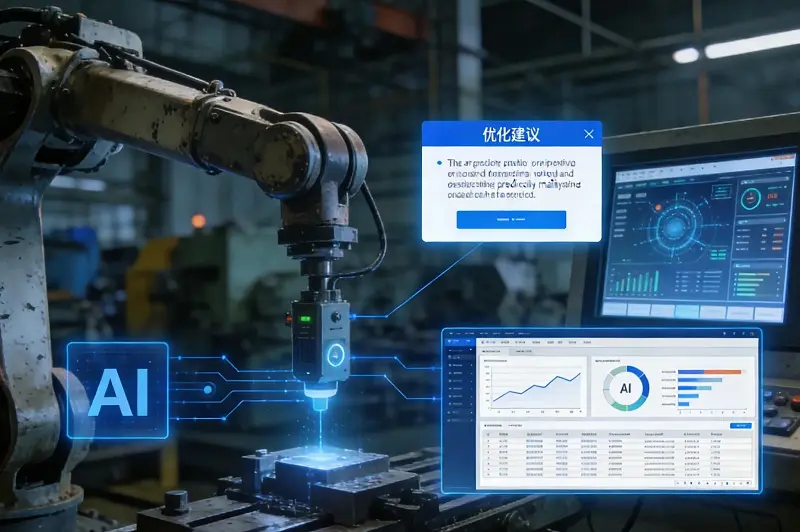
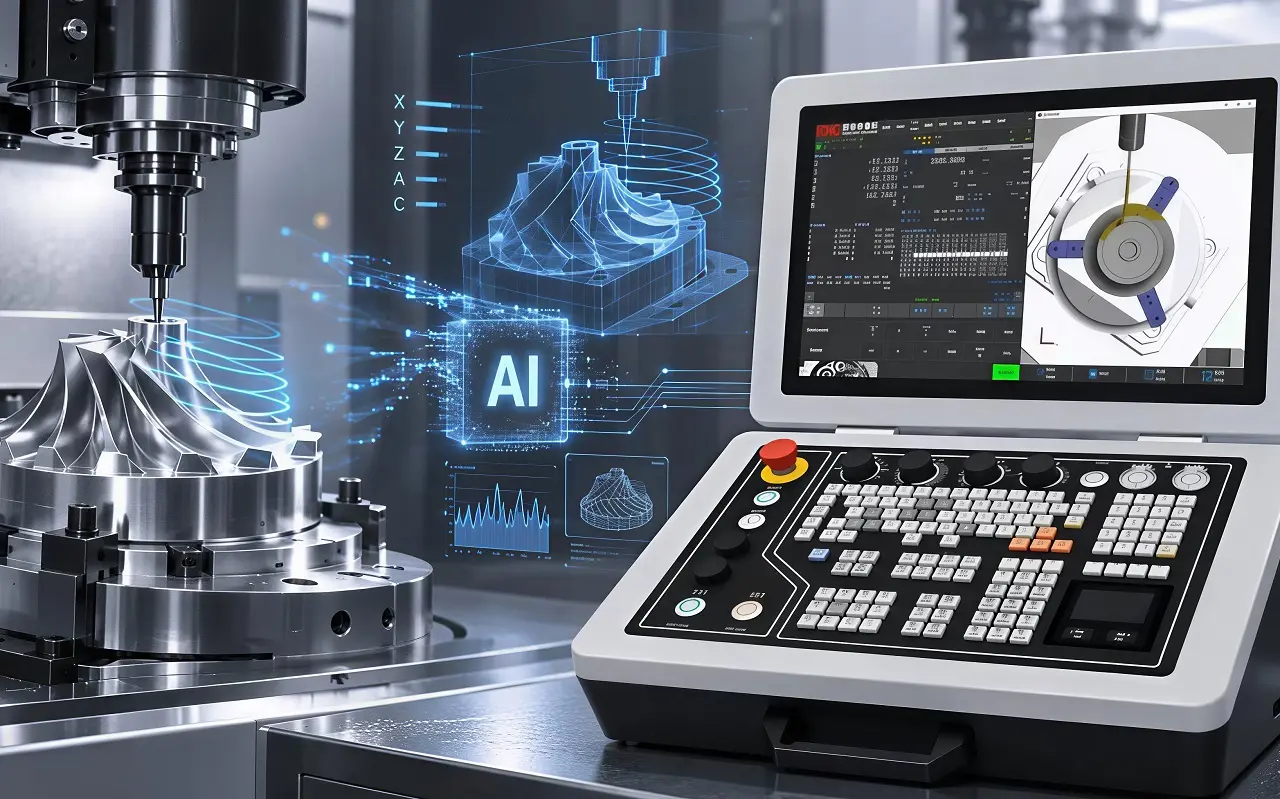
• AI-adaptive cutting and process simulation: Before machining, tool paths, cutting forces, and thermal deformation are simulated through a digital twin to preemptively avoid overcutting, tool deflection, and interference risks. Before the first article is trial-cut, most issues have already been resolved in the virtual environment, significantly reducing scrap and rework.
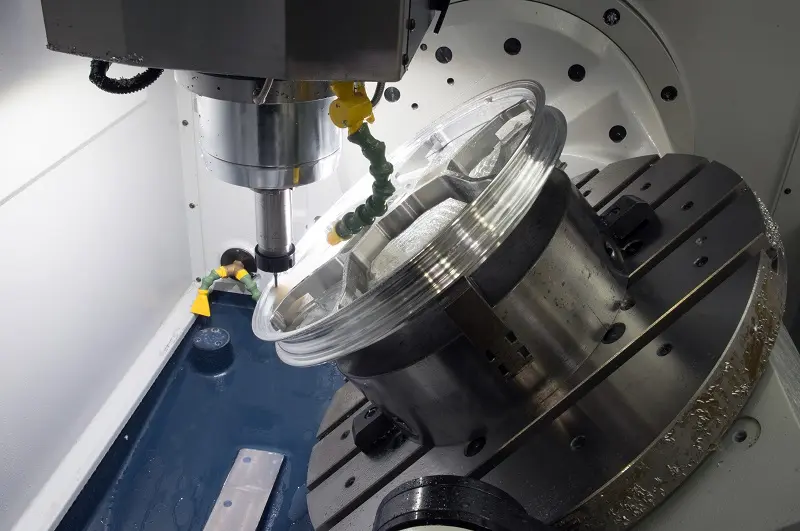
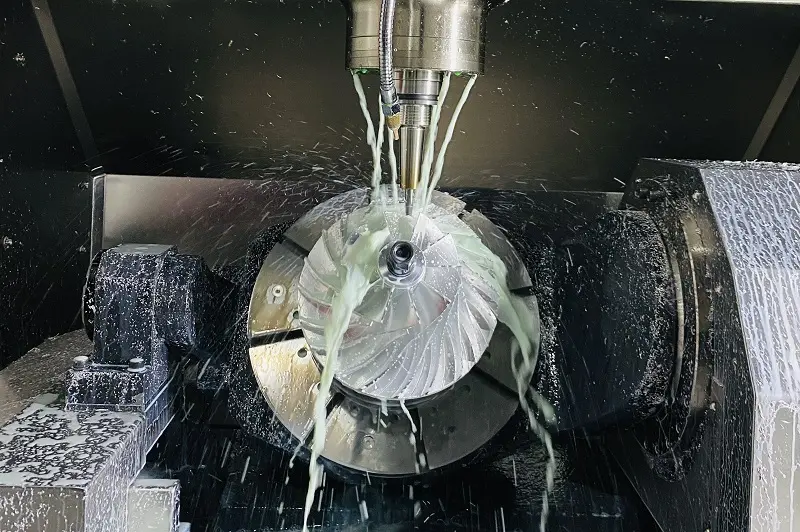
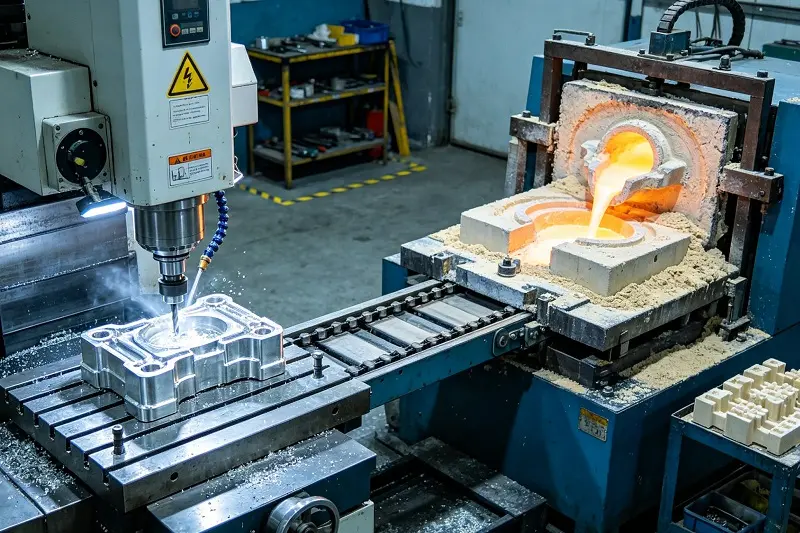
• Single setup with multi-axis simultaneous machining: For complex curved surfaces and irregular cavity parts, five-axis simultaneous machining is used to complete multi-face machining in a single setup, replacing the traditional process of repeated setups and re-alignment. The fewer the setups, the smaller the positioning error, and the less material loss and energy waste—precision and efficiency rise along the same curve.
• Allowance control and tool path optimization: On the premise of ensuring tolerances, cutting allowances are designed to the most economical range, combined with high-speed milling strategies, so that every gram of metal is used where it matters most.
The results are quantifiable: for parts of equal complexity, scrap rates drop significantly, while first-article yield and delivery stability improve in tandem. This is precisely where "high precision" and "green" converge.
2. Materials and Energy: From "Knowing How to Machine" to "Knowing How to Plan"
The other half of the effort in sustainable manufacturing lies in the refined management of materials and energy:
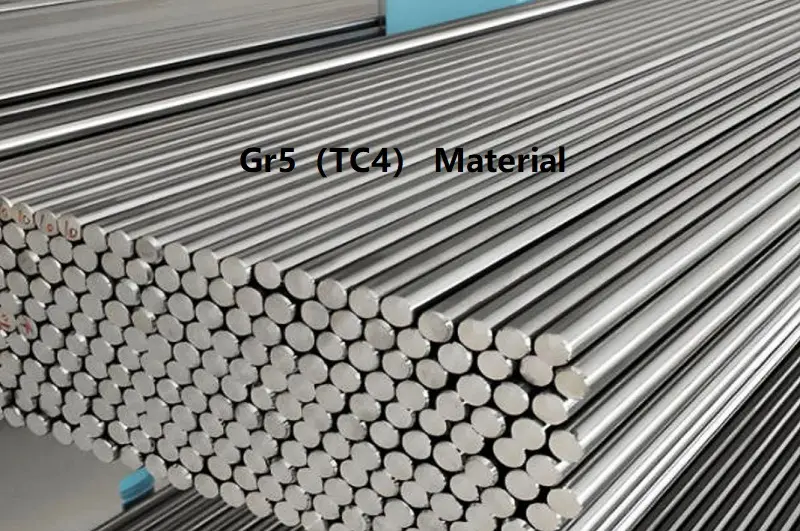
• High-utilization nesting: For different materials such as aluminum alloy, titanium alloy, stainless steel, and POM, intelligent nesting and remainder recovery solutions are adopted to maximize raw material utilization and reduce the carbon footprint per kilogram of output.
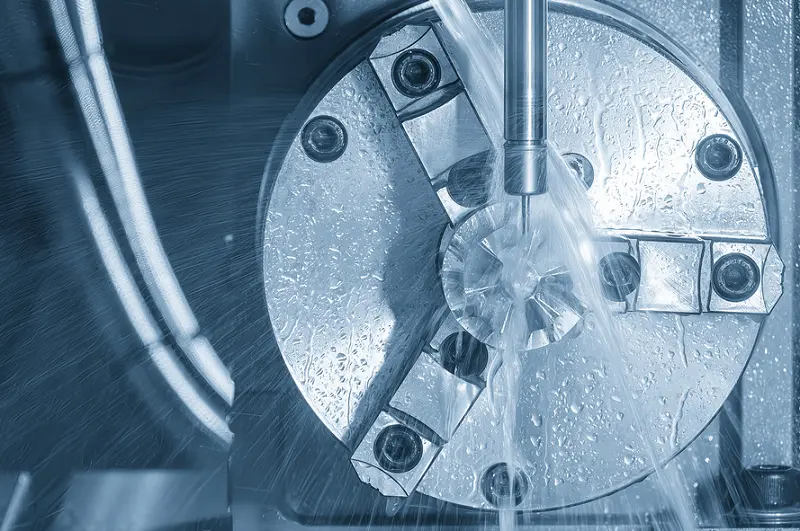
• Equipment and energy consumption control: Through optimized process parameters and rational cutting fluid and cooling schemes, unnecessary air cuts and equipment idling are reduced, and energy consumption is controlled while meeting surface quality requirements—this is also data we can directly deliver in customers' carbon footprint audits.
• Traceability system: Material certificates, process parameters, and inspection records for each batch are archived throughout the entire process, making "green" not a slogan, but quantifiable evidence that can be presented to EU customers and carbon audit bodies.
3. Why Must Precision and Sustainability Go Hand in Hand?
Ultimately, high-complexity, tight-tolerance precision CNC parts are precisely the category that should least be " economized" at the expense of quality. The philosophy we uphold is: sustainability is the result of process capability, not a compromise that sacrifices precision. When process simulation is accurate enough, setups are stable enough, and parameters are optimized enough, yield goes up, scrap naturally decreases, and energy consumption naturally drops—green and precision are mutually causal, not mutually exclusive.
This is also why an increasing number of customers place ESG requirements and machining precision on the same RFQ: what they need is not "a factory that can make complex parts," but "a long-term partner that can make complex parts and also make sustainability solid."
4. What Can We Offer You?
Dongguan SX Technology Co., Ltd has been deeply engaged in the precision manufacturing industry for over 15 years, specializing in multi-axis CNC milling, CNC turning, grinding, EDM, and OEM/ODM customization of complex irregular parts, serving fields such as mechanical components, precision fixtures, automation equipment, and marine projects. What we are doing is integrating "high precision, high complexity, and high service" with "sustainable manufacturing" into the same production line:
• One-stop machining of various complex curved surfaces, thin walls, deep cavities, and tight-tolerance parts;
• Traceable and quantifiable green manufacturing data for global customers;
• Leveraging the process capability of "getting it right the first time" to help you find the optimal solution between carbon compliance and cost control.
When "precision" and "green" no longer require an either-or choice, procurement decisions are no longer a matter of compromise, but a matter of capability. If your drawings contain both stringent tolerances and sustainability requirements—welcome to send them to us ([email protected]), and together we will turn this challenge into a job done right.