


 +86 180 0293 5268






Industry News



01
The Impact of Rising Oil Prices on the Investment Casting and CNC Machining Industries.
2026-04-14
The impact of rising oil prices on the investment casting and CNC machining industries is most directly reflected in higher energy costs, increased raw material prices, and rising logistics expenses. This leads to an overall increase in manufacturing costs across these industries. Currently, a high-oil-price environment has taken shape globally and shows signs of persistence. From an international perspective, since October 2025, escalating geopolitical conflicts in the Middle East, combined with the Red Sea shipping crisis and transportation risks in the Strait of Hormuz, have continuously tightened global crude supply expectations, driving oil prices up sharply. For us in the manufacturing industry, overall costs are constantly rising. This is especially impactful for the export sector, as increasing logistics costs lead to a significant rise in the final cost of products delivered to customers. Below, we will discuss the impact of oil prices on our operations from the perspectives of raw materials, energy, logistics, and downstream demand changes.


-
1. Impact of Oil on Raw Materials
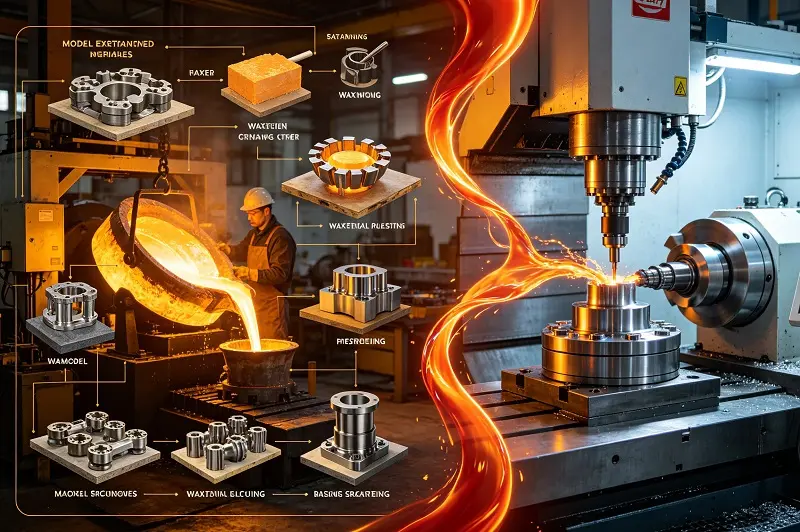
Oil is the source of basic chemical products. Rising oil prices trigger a chain of price increases for raw materials used in investment casting. For example, metal investment casting requires wax, binders, and other auxiliary materials that are directly linked to oil. An increase in oil prices directly drives up the cost of these raw materials, thereby raising production costs for investment casting. Additionally, the Middle East, as a core region for low-cost electrolytic aluminum production, accounts for over 9% of global supply. Due to regional tensions, several aluminum smelters in the Middle East have reduced or halted production because of interruptions in natural gas supply, creating a global supply gap and driving up aluminum prices.
Materials such as plastics are derived from oil, so oil prices directly affect the cost of plastics. In precision CNC machining, in addition to metal parts, many plastic parts are machined using materials such as POM, PA, ABS, and PP. As oil prices rise, the cost of these plastic raw materials increases, leading to higher CNC machining costs.
2. Sharp Increases in Energy Costs and Squeezed Profit Margins
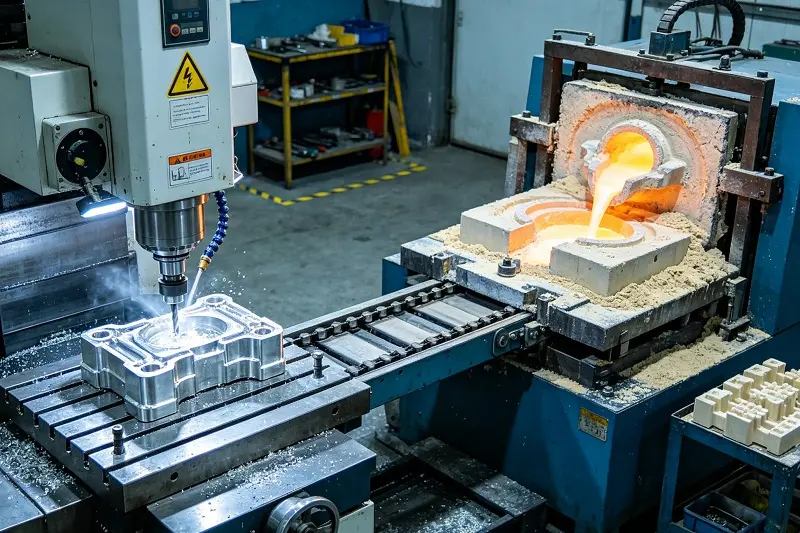
Energy consumption accounts for 15%–25% of total costs in investment casting, primarily concentrated in core processes such as melting, shell firing, and heat treatment. Soaring oil prices directly drive up the cost of closely related natural gas and electricity. Currently, Asian LNG prices have hit a three-year high, and domestic natural gas prices are also rising. Most melting furnaces and holding furnaces in investment casting foundries rely on natural gas as a core energy source. For every RMB 0.5 increase per cubic meter of natural gas, the melting cost per ton of aluminum alloy ingot increases by RMB 200–300, and this cost increase cannot be fully absorbed through process optimization. For small and medium‑sized investment casting enterprises, whose gross profit margins are typically only 5%–10%, rising energy costs directly turn marginally profitable orders into losses, placing companies in a difficult position where accepting orders leads to losses and rejecting orders risks losing customers.
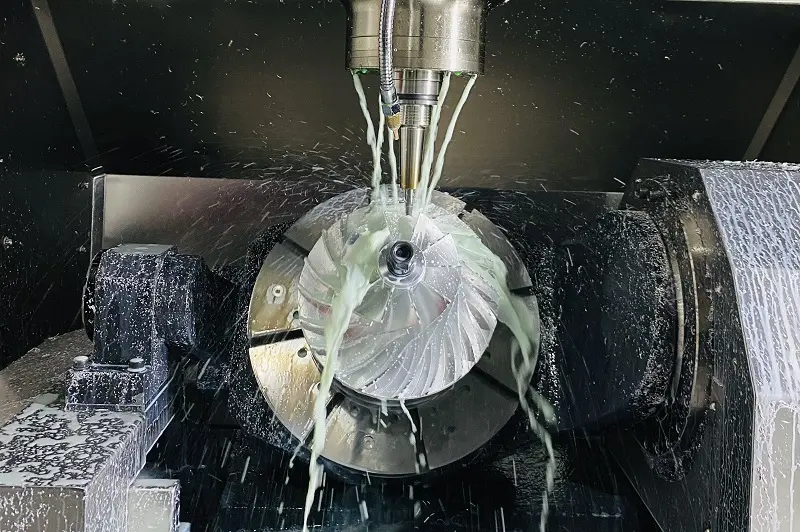
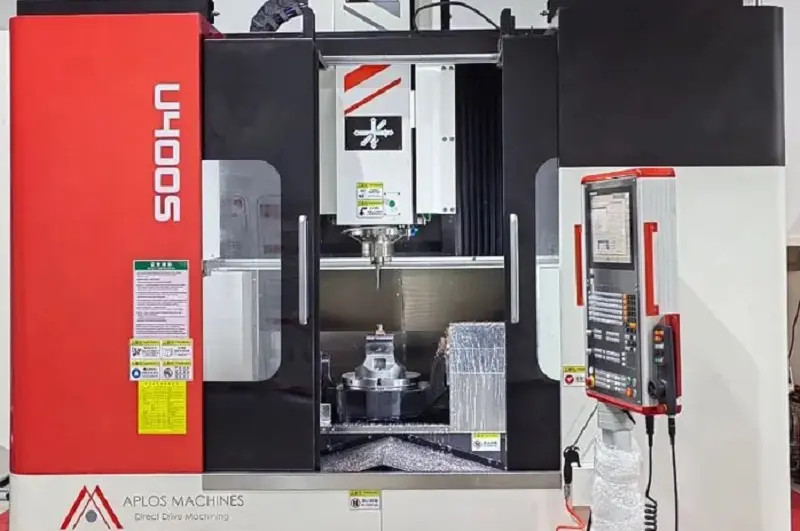
Rising energy costs also have a significant impact on the CNC machining industry. CNC machine operation depends on electricity; higher oil prices drive up electricity costs, substantially increasing equipment operating costs. At the same time, consumables such as cutting oils and lubricating oils rise in price alongside oil, further compressing corporate profits. Small and medium‑sized manufacturers face heightened pressure to maintain order profitability.
3. Sharp Increases in Logistics Costs – A Major Challenge for Export Industries
Rising oil prices have a significant impact on logistics costs for the investment casting and CNC machining export industries, directly raising overall export product costs and weakening international competitiveness. Products from both industries—mostly precision castings and machined components—are shipped overseas by sea or air. Higher oil prices drive up fuel costs, leading to substantial increases in sea and air freight charges. In sea freight, international container rates continue to rise with oil prices, with some routes seeing increases of over 30%. Air freight costs are also rising, adding further logistics expenses. Moreover, overseas customers are highly price‑sensitive, making it difficult to pass on higher logistics costs entirely. As a result, the profit margins of export companies in both industries are severely squeezed, and some smaller export manufacturers even face the risk of losing orders.
4. Changes in Downstream Demand Due to Rising Oil Prices
Rising oil prices lead to structural divergence in downstream demand for investment casting and CNC machining, with overall demand growth slowing. In the consumer sector, demand contracts. Downstream industries such as traditional automotive and consumer electronics, affected by inflation, reduce production capacity, leading to lower purchases of precision castings and machined components, with a notable decline in small‑ and medium‑batch orders. At the same time, downstream companies increasingly prefer suppliers that offer high value for money and stable delivery, prioritize reducing procurement of non‑core components, and demand tighter product cost control. This forces upstream enterprises to optimize their supply offerings and adapt to the restructuring and upgrading of downstream demand patterns.
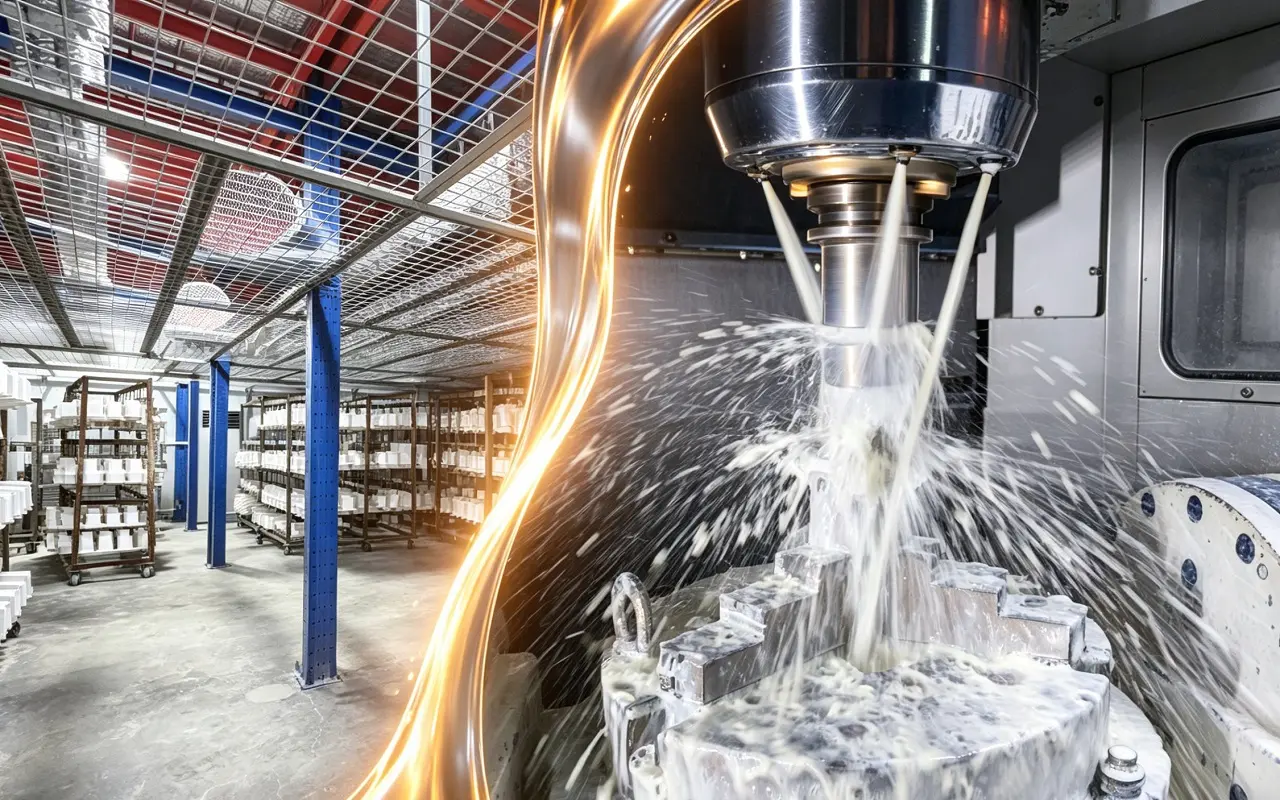
In the OEM investment casting industry, surging oil prices directly drive sharp increases in energy costs. Rising natural gas prices—a core energy source—lead to higher costs in melting, firing, and other processes, squeezing profit margins for small and medium‑sized enterprises and turning some marginally profitable orders into loss-making ones. At the same time, oil prices trigger a chain reaction of rising prices for related raw materials, including consumables such as cutting fluids and lubricants. This is compounded by aluminum supply gaps caused by production halts and reductions at Middle Eastern smelters, further increasing raw material expenses and disrupting supply chain stability.
For the CNC machining industry, rising energy
costs are mainly reflected in higher electricity prices and increased costs for
petroleum‑based consumables such as cutting oils and lubricants, significantly
raising equipment operating costs and compressing corporate profit margins.