China Top 10 CNC Machining Parts Manufacturers
Choosing a CNC supplier is not just a price comparison. A drawing may show a 0.02-millimeter tolerance, but the finished part must still fit, function, and arrive on schedule. This guide to China Top 10 CNC Machining Parts Manufacturers introduces companies for buyers to evaluate, not a universal ranking. That distinction matters.
Taiichi Ohno, a key figure in the Toyota Production System, is often credited with saying, “Without standards, there can be no improvement.” The idea applies to CNC Machining parts: repeatable inspection, documented processes, and clear acceptance criteria matter as much as machine capacity. A polished website is not proof. Ask how suppliers inspect critical dimensions, manage revisions, and report nonconformities. Request sample inspection records when appropriate.
The profiles ahead consider practical factors: machining processes, materials, tolerances, quality systems, lead times, and communication. Look for evidence, such as a measurement report tied to a specific part number, rather than broad promises. Details decide. A capable shop may still be a poor fit if it lacks experience with your material or cannot explain its inspection plan. No shortlist can replace checking drawings, samples, and production requirements directly. And supplier information can change; verify current capabilities before placing an order. This comparison aims to make that first screening clearer, while leaving room for the judgment that a real project requires.
Defining CNC Machining Parts and Their Industrial Applications
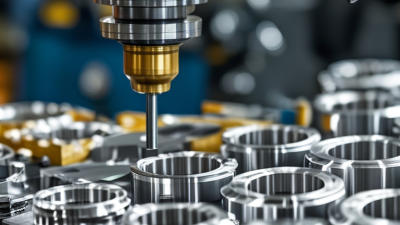
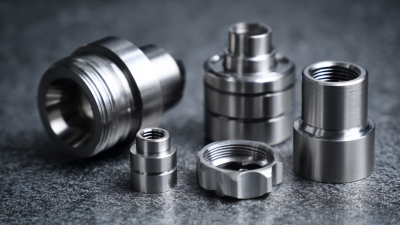
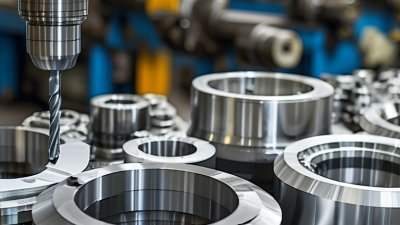
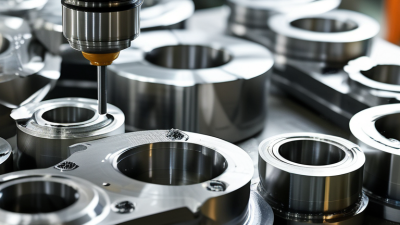
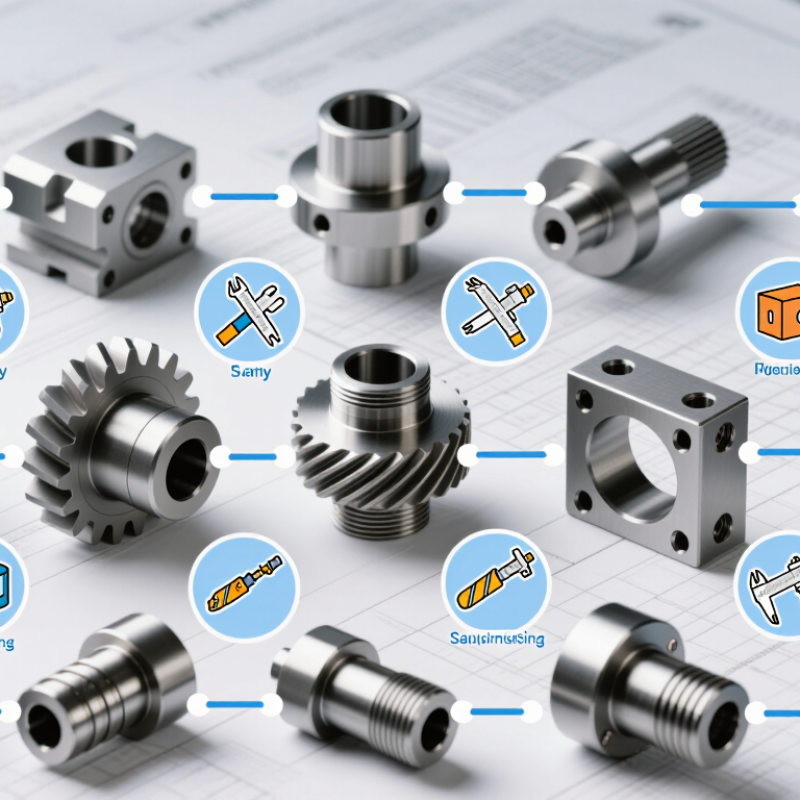
CNC-machined parts are components shaped from metal or engineering plastic by computer-guided cutting tools. Common operations include milling flat faces and slots, turning cylindrical shafts, and drilling accurate holes. The machine follows a programmed toolpath, while operators choose fixtures, cutting speeds, and inspection methods. Small details matter. A burr around a hole can affect assembly, even when the main dimensions appear correct.
In automotive and industrial equipment, machined housings, brackets, valve bodies, and shafts connect moving systems. Robotics often requires compact joints with carefully aligned bores. Medical equipment may use stainless steel or polymer components that need smooth surfaces and documented inspection. Aerospace applications can include lightweight alloy fittings, subject to demanding design and qualification requirements. CNC machining suits prototypes and repeat production, but it is not automatically the least expensive option for every shape.
Material choice affects strength, weight, tool wear, and finishing needs. A deep pocket, for example, may require longer tools and additional setup, increasing the chance of vibration or dimensional variation. Good manufacturers check critical features with calibrated measuring equipment and discuss tolerances before cutting begins. Still, a precise machine cannot fix an unclear drawing. That assumption deserves a second look. When evaluating a part, buyers should compare inspection records, achievable tolerances, surface-finish requirements, and the intended operating environment.
Criteria for Identifying Leading CNC Machining Manufacturers in China
China Top 10 CNC Machining Parts Manufacturers
Choosing a leading CNC machining manufacturer requires more than comparing quotations. Grand View Research’s CNC Machine Market report estimated the global market at USD 83.99 billion in 2023, with projected annual growth of 6.3% through 2030. This expansion makes clear supplier evaluation especially important. Check whether a factory’s equipment, materials, and inspection methods match your part drawings. Ask for documented tolerances, surface-finish results, and material certificates. A polished brochure is not proof of process control.
Review sample parts under realistic production conditions. Measure critical features, such as a small bore or a thin-wall edge, using suitable inspection equipment. Request details about first-article inspection, in-process checks, and corrective actions for defects. Confirm capacity with machine lists and recent production examples, not only sales claims. Also assess drawing review, response times, packaging, and delivery planning. These details matter when specifications change. Self-reported capacity can be difficult to verify, so independent audit evidence adds confidence.
Tips: Send the same drawing and inspection requirements to each candidate. Compare measured results, not promises. One overlooked tolerance can disrupt an entire assembly.
Profiles of 10 Notable CNC Machining Parts Manufacturers
Profiles of 10 Notable CNC Machining Parts Manufacturers
A useful profile compares more than machine count. It looks at materials, tolerances, inspection methods, and delivery capacity. China’s CNC parts sector includes distinct production models. One manufacturer may focus on high-volume aluminum housings; another may specialize in five-axis components for aerospace supply chains. Other profiles can cover stainless-steel valve parts, medical instrument components, automotive prototypes, precision gears, custom fasteners, mold inserts, robotics parts, and small-batch components for industrial equipment. These are capability categories, not endorsements of specific companies.
The market context is substantial. Grand View Research estimated the global CNC machine market at USD 83.99 billion in 2023, with growth projected through 2032. This figure describes machine tools, not machined parts revenue, so the distinction matters. A strong manufacturer profile should also explain how orders move from drawing review to machining and final inspection. Ask about material certificates, coordinate-measuring equipment, and how the shop handles a tolerance change. Small details count. A polished website alone proves little.
The profiles should distinguish factories built for repeatable volume from workshops suited to complex, low-volume work. For example, a shop with automated bar feeding may handle long production runs efficiently, while a five-axis cell can reduce setups on intricate parts. Neither is automatically better. I would also check whether stated capabilities are supported by sample inspection records; that evidence is not always easy to compare. Companies differ, and public information can leave gaps.
Representative Material Densities for CNC Machining
Approximate densities of commonly machined metals and plastics. Values are representative; exact density varies by alloy and grade.
Comparing Manufacturing Capabilities, Materials, and Quality Standards
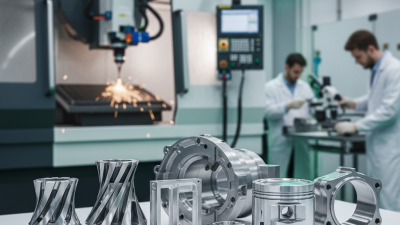
Comparing China’s top CNC machining parts manufacturers requires more than counting machines. A five-axis mill can produce complex housings, while well-maintained three-axis equipment may be better suited to simpler, repeatable parts. Ask about spindle capacity, achievable tolerances, batch size, and inspection methods. The right capability depends on the drawing, not the brochure.
Material experience matters. Aluminum is lightweight and machines quickly, but thin walls can distort under cutting forces. Stainless steel needs suitable tooling and careful heat control. For plastics, check how a supplier manages clamping and dimensional stability. Request material certificates and a sample inspection report. Small details matter.
Quality systems help make results repeatable, but a certificate alone cannot prove every shipment is consistent. Compare documented inspection plans, calibration records, and first-article reports. Ask how deviations are recorded and corrected. A polished presentation is not proof. Even a capable shop can miss a tolerance when drawings are unclear or inspection points are poorly defined. That deserves attention. Share a critical feature and ask the supplier to explain how it will be measured before production begins.
Factors to Consider When Choosing a CNC Machining Partner in China
Choosing a CNC machining partner in China requires more than comparing unit prices. Match the supplier’s process to your drawing: ask about achievable tolerances, material traceability, inspection equipment, and capacity for repeat orders. For a 0.02 mm tolerance, request a first-article inspection report and confirm how the shop checks critical dimensions. Ask to see calibration records, not just a sample part. Small details matter.
Logistics and communication also affect delivery risk. The World Bank’s 2023 Logistics Performance Index ranked China 19th, with a score of 3.7 out of 5; this is useful context, not a promise about any single shipment. Check how the supplier handles production updates, packaging, and delays. Deloitte’s 2024 smart manufacturing survey found that 86% of manufacturing executives viewed smart factory solutions as a likely source of competitiveness within five years. Ask whether digital inspection records and revision controls are actually used on your job. Ask for evidence.
A polished audit does not prove that every batch will match. I would review a pilot order, compare its measurement report with the drawing, and note how quickly questions get answered. That step costs time. It can also expose gaps before a larger order is placed. Have both sides confirm tolerances, acceptable substitutions, and change approval in writing.



 +86 180 0293 5268
 CONTACT Shixin
 CONTACT Shixin

 CONTACT Shixin