What is Cnc Milling Parts and How to Source Them Globally?
Cnc Milling Parts are integral to modern manufacturing. These components are produced using advanced machining techniques. Businesses rely on precision parts to create high-quality products. Sourcing these parts globally can be challenging. It involves finding reputable suppliers who meet specific requirements.
The market for Cnc Milling Parts is vast. Companies can access a range of options from various regions. However, quality and reliability should not be overlooked. Not all suppliers uphold the same standards. It is crucial to verify that manufacturers have consistent quality control processes.
Additionally, language barriers and cultural differences may pose challenges. Miscommunication can lead to errors in orders. Without proper guidance, sourcing can become overwhelming. Reflecting on these aspects is essential before making decisions. Understanding the complexities of sourcing Cnc Milling Parts can improve outcomes.
What are CNC Milling Parts?
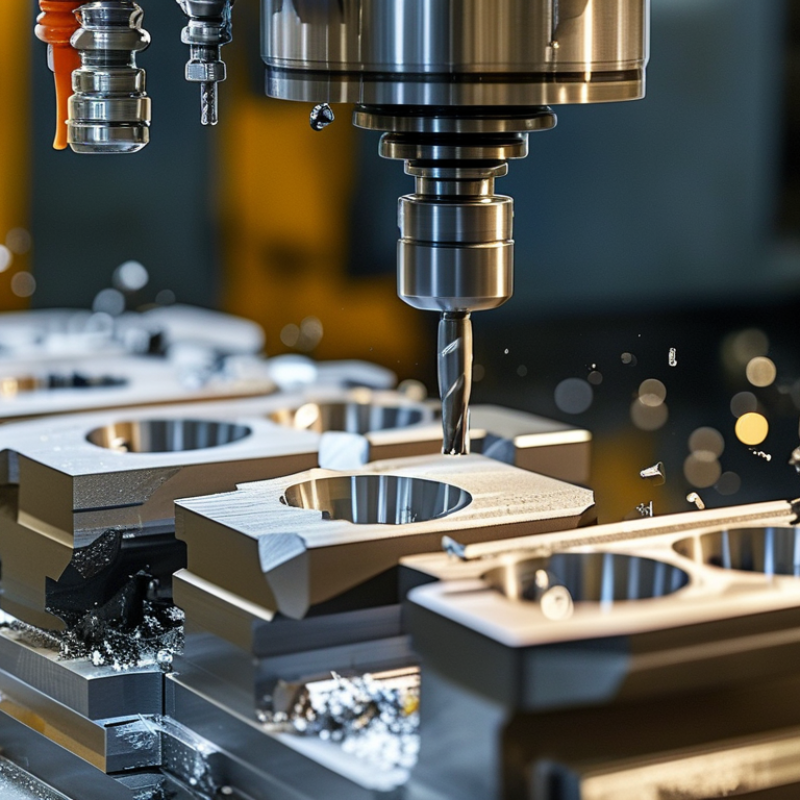
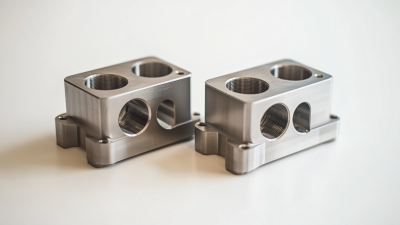
CNC milling parts are components produced through a process known as Computer Numerical Control (CNC) milling. This method utilizes precise computer-controlled machines to remove material from a solid block. The result is a highly accurate part that meets strict tolerances and specifications. Industries like aerospace, automotive, and medical rely heavily on these parts for their intricate designs and durability.
When sourcing CNC milling parts globally, it's essential to consider a few key factors. Quality assurance is crucial. Not all manufacturers adhere to the same standards. It's wise to request samples before committing to larger orders. Language barriers and time zone differences can complicate the sourcing process. Clear communication helps mitigate misunderstandings during production. Additionally, logistical challenges may arise. Shipping costs and lead times can vary widely based on the supplier's location.
Furthermore, collaboration with suppliers requires ongoing evaluation. An initial reliable partnership can change over time. Regular audits and feedback mechanisms support continued quality. A flexible approach is necessary. Adapt your sourcing strategies as market conditions shift. Understanding the intricacies of global sourcing will optimize efficiency in acquiring CNC milling parts.
Key Processes Involved in CNC Milling
CNC milling is a vital machining process used to shape solid materials into precise parts. It employs
computerized controls to manipulate machinery, enhancing efficiency and accuracy. Understanding the
key processes involved in CNC milling can help businesses improve
sourcing strategies globally.
The primary steps in CNC milling include designing the part using CAD software,
selecting the right tools, and programming the CNC machine. The design stage focuses on creating detailed specifications.
According to a market report by Grand View Research, the CNC machine market is projected
to reach USD 100 billion by 2025. This growth highlights the importance of streamlined
milling processes in manufacturing.
Tip: Always choose software that integrates
well with CNC machines to minimize errors. During tool selection, consider the material type to optimize production.
The milling process can sometimes generate unexpected results, leading to wasted materials.
Reflecting on machining outputs is crucial for continuous improvement. Engage in
regular evaluations to refine processes and enhance product quality.
Benefits of Using CNC Milling Parts in Manufacturing
CNC milling parts play a crucial role in modern manufacturing. These components are produced using a computer-controlled machining process. This technique allows for high precision and consistent quality. Manufacturers often benefit from enhanced efficiency, as CNC milling reduces production time. The ability to create complex shapes with tight tolerances sets CNC parts apart from traditional machining methods.
Moreover, sourcing CNC milling parts globally opens doors to various advantages. Companies can tap into a wider range of suppliers, ensuring competitive pricing. This global reach also provides access to specialized expertise. It’s not uncommon to encounter challenges, such as quality assurance and communication barriers. However, diligent research and vetting of suppliers can mitigate these issues.
The integration of CNC milling parts into production processes enhances adaptability. Businesses can quickly modify designs in response to market needs. While this flexibility is advantageous, it also demands continuous improvement. Manufacturers must stay updated on technology advancements and best practices. Embracing a mindset of learning ensures that organizations are prepared for future challenges. The journey of using CNC milling parts requires constant reflection and adjustment to maintain a competitive edge.
Global Sourcing Strategies for CNC Milling Parts
Sourcing CNC milling parts globally requires a strategic approach. Businesses should focus on reliability, cost-effectiveness, and quality. Start by identifying key specifications needed for your project. Knowing these details will help target the right suppliers.
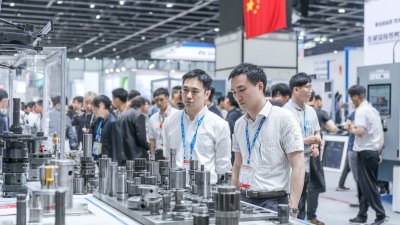
Consider using online databases and industry directories to find potential manufacturers. Trade shows are also valuable. They offer opportunities to see products firsthand and establish connections. Don't skip the importance of verifying supplier credentials. This ensures a trustworthy partnership.
Tips: Look for suppliers with certifications that match your industry standards. Always request samples to check workmanship. When negotiating, be clear about timelines and shipping costs to avoid surprises. Expanding your search to different countries can open doors to better deals but requires more vigilance.
Factors to Consider When Choosing CNC Milling Suppliers
When sourcing CNC milling parts, selecting the right supplier is critical. Various factors influence your decision, including reliability, expertise, and production capabilities. According to a recent report by Markets and Markets, the CNC machining market is expected to grow to $100 billion by 2026, highlighting the industry's importance and competitiveness.
One essential criterion involves assessing a supplier’s quality control processes. A robust quality management system ensures that the produced parts meet required specifications. Quality certifications like ISO 9001 can indicate a supplier's commitment to high standards. It's advisable to ask for samples to evaluate workmanship firsthand.
Cost is another significant consideration. While price shouldn't be the only factor, understanding the market rate can guide your decisions. A survey revealed that businesses often overestimate costs without thorough research. Negotiating terms and prices based on comprehensive quotes can lead to substantial savings.
Tips for effective sourcing:
- Ensure clear communication with potential suppliers.
- Verify their experience with your specific needs.
- Consider their lead times and flexibility in scaling production.
Balancing cost and quality might prove challenging. Emphasizing long-term relationships over short-term gains often builds a more reliable supply chain. Investing time in selecting the right supplier is crucial for ensuring consistent product quality and timely delivery.



 +86 180 0293 5268
 CONTACT Shixin
 CONTACT Shixin
 CONTACT Shixin