2026 How to Enhance Your Skills in Aerospace Machining?
In the dynamic world of Aerospace Machining, continuous skill enhancement is paramount. Renowned expert Dr. Emily Tran, a leader in aerospace technology, emphasizes, “Mastering machining techniques is crucial for precision and innovation in aerospace.” Her insight reflects the industry's relentless pursuit of excellence.
As technology evolves, so must the skills of professionals in Aerospace Machining. Techniques and tools are not static; they require constant learning and adaptation. This challenge can feel overwhelming. Many machinists struggle to keep up with advancements, leading to missed opportunities for career growth. Engaging in specialized training programs can bridge this gap, providing hands-on experience with the latest machinery and tools.
Networking with industry experts can further enrich learning. Connecting with peers and mentors allows for sharing insights and experiencing real-world applications. Yet, it's vital to reflect on personal growth. Identify areas needing improvement, whether in software, software tools, or machining processes. A proactive approach in seeking knowledge can pave the way for a successful career in Aerospace Machining.
Understanding Aerospace Machining: Key Concepts and Techniques
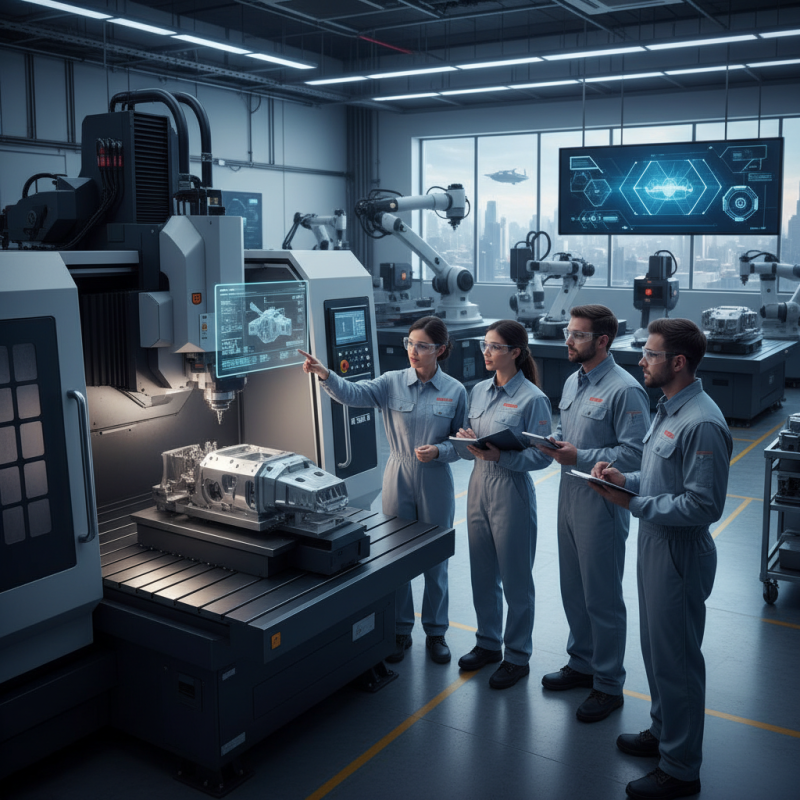
Aerospace machining involves precise manufacturing processes essential for creating aircraft components. Understanding key concepts can significantly enhance machining skills. These concepts include material properties, cutting techniques, and tooling strategies. Aerospace materials often require specific machining methods due to their unique characteristics. For instance, titanium and aluminum have distinct responses to cutting tools. Familiarizing oneself with these properties can prevent tool wear and improve efficiency.
Learning various cutting techniques is equally vital. Different machining processes, such as milling and turning, require specialized approaches. Mastering these techniques often requires practice and experimentation. Additionally, understanding the importance of feed rates and spindle speeds can optimize machining operations. A mistake in these areas could lead to wasted materials or damaged tools.
Reflecting on your experiences can foster growth in this field. Consider past projects—what worked and what didn’t? Seeking feedback from peers can be invaluable. Continuous improvement is key. Collaborating with experienced machinists may reveal new insights. This dialogue can also highlight areas for further development. Embrace the challenges of aerospace machining, and let them guide your learning journey.
Essential Skills for Aerospace Machining: What to Focus On
In aerospace machining, honing your skills is crucial. Focus on precision and attention to detail. The aerospace industry demands high standards. Each component must meet strict specifications. Understanding materials, like aluminum and titanium, is essential. These metals behave differently under machining. Familiarity with their properties can enhance your work quality.
Practicing CNC programming is also vital. Many aerospace components are made using CNC machines. Knowing how to program these machines will improve efficiency. Try running simulations to understand tool paths. Mistakes can occur, and reflection is necessary to learn from them. It’s useful to analyze errors and adjust your techniques.
Communication skills play a significant role as well. Collaborating with teams can lead to better outcomes. Make sure to share your thoughts clearly. Listening to feedback is equally important. Reflect on your interactions; they will guide your professional growth. Staying updated with industry trends enhances your adaptability. This approach will ensure you remain relevant in aerospace machining.
2026 How to Enhance Your Skills in Aerospace Machining?
| Skill Area |
Description |
Importance Level (1-5) |
Recommended Resources |
| CNC Programming |
Understanding CNC programming languages and machine operation. |
5 |
Online courses, tutorials, and manuals. |
| Material Science |
Knowledge of aerospace materials and their properties. |
4 |
Textbooks and research articles. |
| Precision Measurement |
Skills in using measurement tools for accuracy. |
5 |
Workshops and practical training. |
| Problem-Solving Skills |
Ability to identify and solve manufacturing issues. |
4 |
Case studies and simulation-based training. |
| Safety Standards |
Understanding of safety regulations in machining. |
5 |
Safety training programs and certifications. |
Practical Experience: Internships and Workshops to Enhance Skills
Aerospace machining requires both skills and experience. Hands-on opportunities, like internships and workshops, play a vital role in skill enhancement. According to a 2022 report by the Aerospace Industries Association, about 70% of employers value practical experience over formal education when hiring. Engaging in internships allows aspiring machinists to work with advanced machinery and gain insight into industry standards.
In workshops, participants can learn from industry experts and practice techniques. These environments foster collaboration and provide real-time feedback. They also encourage problem-solving skills, which are essential in aerospace machining. An internal survey from an aerospace manufacturing firm revealed that workshop attendees improved their machining accuracy by 30% over six months.
Tips: Seek internships that focus on precision machining. Networking with professionals can lead to mentorship opportunities. Regularly practice machining tasks to sharpen your abilities. Remember, not every task will go smoothly; embrace mistakes as learning moments to refine your skills. Gaining experience in different settings will enhance your adaptability and expertise in aerospace machining.
Staying Updated: Industry Trends and Advancements in Aerospace Machining
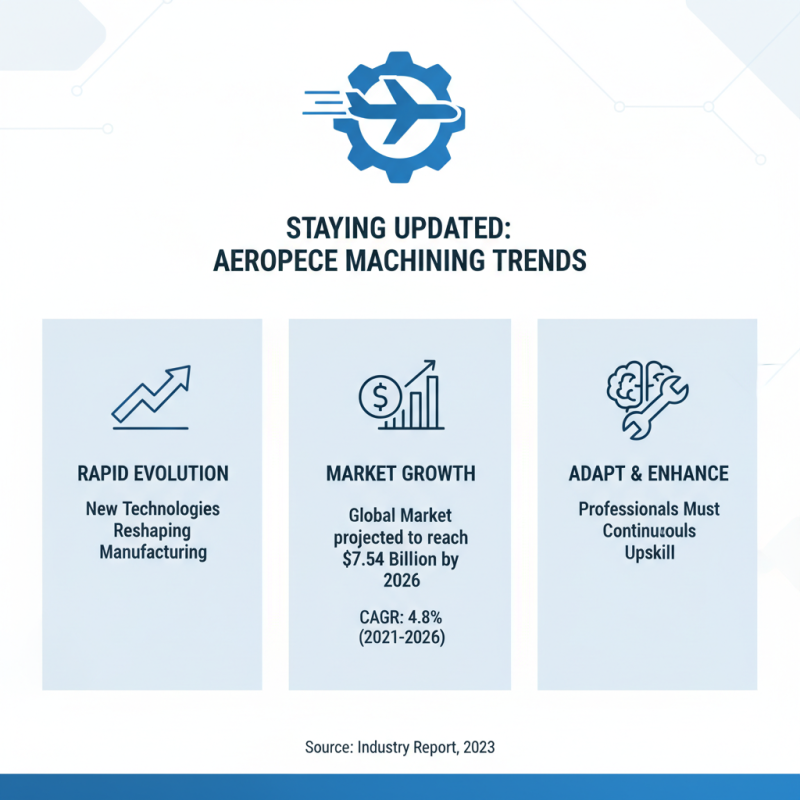
The aerospace machining industry is evolving rapidly. New technologies are reshaping how components are manufactured. A recent report indicates that the global aerospace machining market is expected to reach $7.54 billion by 2026, showing a compound annual growth rate (CAGR) of 4.8%. This growth pushes professionals to adapt and enhance their skills continuously.
Staying current with industry trends is vital. Innovations, like additive manufacturing and advanced CNC machining, are transforming traditional processes. These technologies allow for greater precision and efficiency. However, many professionals still rely on outdated techniques. Surveys show that nearly 30% of machinists have not received recent training. This gap highlights a critical need for continuous education and skill development.
Networking in the industry is also essential. Attending seminars and workshops can provide insights into upcoming advancements. Yet, many individuals overlook these opportunities. Engaging with peers can foster valuable discussions. By sharing experiences and challenges, professionals can improve their expertise and adapt to the changing landscape of aerospace machining.



 +86 180 0293 5268
 CONTACT Shixin
 CONTACT Shixin
 CONTACT Shixin