2026 Best Cnc Milling Parts for Global Buyers Guide?
In the evolving landscape of manufacturing, CNC milling parts have become essential components in various industries. According to industry expert Dr. Emily Carter, "Innovation in CNC milling parts drives efficiency and precision." Her insight embodies the ongoing transformation within this sector, guiding global buyers toward informed decisions.
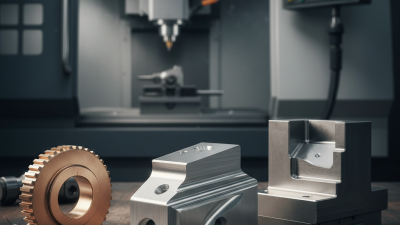
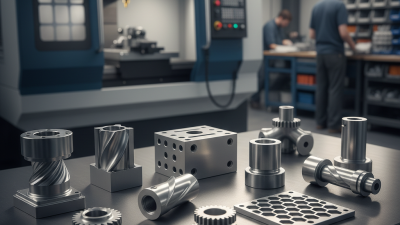
CNC milling parts stand at the forefront of technological advancement. Their impact is evident in sectors ranging from aerospace to medical devices. Each component requires meticulous design and production to meet stringent quality standards. Buyers often face challenges, from sourcing reliable suppliers to ensuring part compatibility.
Navigating the complexities of this industry demands both knowledge and experience. While the market presents vast opportunities, there are pitfalls to avoid. Many purchasers overlook the importance of thorough research. A deeper understanding of specifications and materials can significantly influence project success. The landscape of CNC milling parts is rich with potential, yet fraught with challenges that require continuous learning and adaptation.
Overview of CNC Milling: Understanding the Basics and Applications
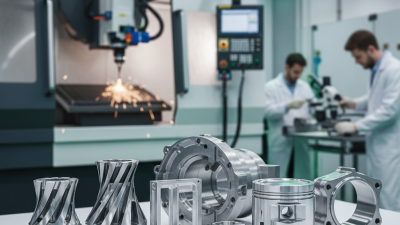
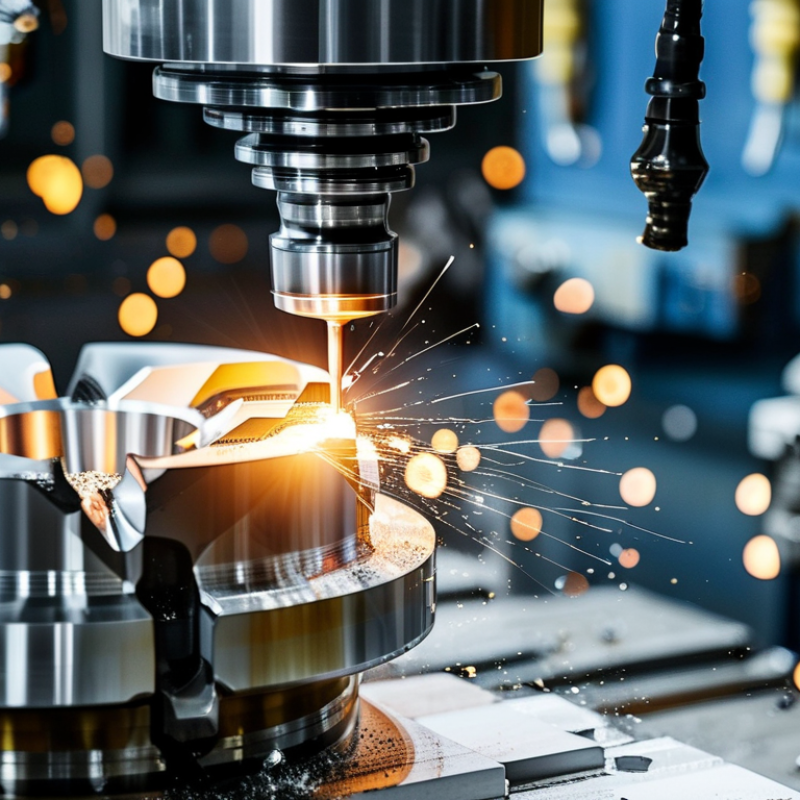
CNC milling is a critical process in modern manufacturing. It involves using computer-controlled machines to remove material from a workpiece. This precision leads to high-quality parts that meet strict specifications. According to the latest market research, the CNC milling machine market is projected to reach $100 billion by 2026. This rapid growth indicates widespread adoption across various industries, including aerospace, automotive, and medical.
Understanding the fundamentals of CNC milling is key for global buyers. The process allows for complex shapes and tight tolerances. Typical accuracy levels are within ±0.01 mm. However, achieving such precision requires skilled operators and well-maintained machinery. A report from the International Journal of Advanced Manufacturing Technology highlighted that up to 25% of machining time can be wasted due to inefficiencies. This raises questions about optimizing workflows in production environments.
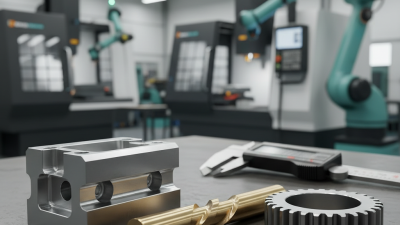
The versatility of CNC milling applications cannot be understated. It is ideal for producing prototypes, small batches, or intricate designs. However, manufacturers must consider the initial setup costs and the need for continuous training. As technology evolves, staying updated is crucial. The balance between automation and skilled labor remains a challenge in this industry.
Key Criteria for Selecting High-Quality CNC Milling Parts
When selecting high-quality CNC milling parts, several key criteria should be at the forefront of your decision-making process. The precision of these parts is crucial. According to industry reports, precision parts can enhance overall machine performance by up to 30%. This metric emphasizes the importance of tolerance specification. Ensure the manufacturer's tolerance range aligns with your project requirements.
Material choice also plays a vital role in durability and functionality. Aluminum and steel are commonly used materials, but their characteristics differ significantly. Aluminum offers lightweight strength, while steel provides robustness. Understanding the application demands can significantly impact the lifespan of the components.
Tip: Always request material certifications from suppliers. Ensure that these parts meet both industry standards and your own specifications.
Quality control measures are essential. Ask about the vendor’s inspection processes. A reputable manufacturer will conduct rigorous tests, including dimensional analysis and surface quality assessments. These methods ensure that each component meets stringent criteria.
Tip: Consider a manufacturer’s track record. Reviews and case studies can provide insights into their reliability and product quality.
Every decision, from material selection to quality assurance, shapes the final product. Reflecting on these factors may lead to better outcomes in your CNC milling projects.
Top Manufacturers of CNC Milling Parts for Global Buyers
The CNC milling industry has shown impressive growth in recent years. According to a report from Markets and Markets, the global CNC machining market is expected to reach USD 100 billion by 2026, growing at a CAGR of 6.5%. This growth is driven by advancements in technology, which have enhanced precision and efficiency.
Top manufacturers play a crucial role in this growth. They focus on producing high-quality milling parts with various material options like aluminum, stainless steel, and plastics. A rigorous quality assurance process is critical. Manufacturers often invest in advanced machining centers and skilled labor to ensure precision in every piece. However, challenges exist, such as adapting to rapidly changing technologies and raw material shortages.
Moreover, the increasing demand for customization in products places pressure on manufacturers. They must strike a balance between mass production and individualized solutions. This can sometimes lead to inefficiencies and higher costs. The industry's evolution is a reminder that continuous improvement and adaptability are essential for sustained success.
Innovative Materials Used in CNC Milling Parts Production
CNC milling has evolved significantly with the introduction of innovative materials. Engineers and manufacturers are continually seeking materials that provide strength, durability, and lightweight characteristics. Metals like titanium and aluminum alloys are popular for their excellent mechanical properties. They withstand high temperatures and demanding conditions.
Additionally, composite materials are gaining traction. These materials combine different elements to enhance overall performance. For instance, carbon fiber composites offer high strength-to-weight ratios. They are ideal in aerospace and automotive applications. However, challenges exist in sourcing high-quality composites that meet strict industry standards. Not every supplier can deliver on those expectations.
Recycling and sustainability have influenced material choices too. Many manufacturers explore biodegradable options. These materials might not yet match the performance of traditional ones. However, they present exciting opportunities for the future of CNC milling. The industry is learning and adapting, but progress is often slow. Finding the right balance between performance, cost, and environmental impact remains a work in progress.
2026 Best Cnc Milling Parts for Global Buyers Guide
| Material |
Application |
Durability |
Cost (per unit) |
Lead Time (Weeks) |
| Aluminum Alloy |
Aerospace Components |
High |
$15 |
4 |
| Stainless Steel |
Medical Devices |
Very High |
$35 |
6 |
| Titanium |
Marine Engineering |
Extreme High |
$100 |
8 |
| Plastics (POM) |
Consumer Products |
Moderate |
$5 |
3 |
| Carbon Fiber |
Automotive Parts |
High |
$50 |
5 |
Future Trends in CNC Milling Parts: What to Expect in 2026
As we look ahead to 2026, the landscape of CNC milling parts is poised for transformative changes. The global CNC milling market is projected to reach approximately $100 billion by 2026, reflecting a compound annual growth rate of 6.5%. This growth is driven primarily by advancements in automation and material sciences. Emerging technologies such as artificial intelligence and machine learning are shaping production processes, leading to more efficient manufacturing strategies.
Future milling parts will prioritize lightweight, durable materials. Metal composites and advanced polymers will become more common. These materials offer increased strength while reducing the overall weight of components. The automotive and aerospace industries are early adopters of these innovations. Data from industry reports indicate that nearly 30% of manufacturers are investing in new materials to enhance product performance.
However, challenges remain. The rising complexity of designs requires manufacturers to invest in training and technology. Many companies struggle to adapt to rapid advancements. A gap in skilled labor is also evident, with experts projecting a shortage of qualified technicians by 2026. Addressing these obstacles will be essential for maintaining a competitive edge in the evolving CNC milling sector.



 +86 180 0293 5268
 CONTACT Shixin
 CONTACT Shixin
 CONTACT Shixin