+86 180 0293 5268


Choosing a supplier for CNC Machining parts involves more than comparing prices. A low quote may omit setup charges, inspection steps, or protective packaging. Those omissions can become costly when parts arrive late or fail to fit an assembly. Small details matter. A machined aluminum bracket, for example, may need a clean finish, precise hole spacing, and consistent dimensions across every piece. Buyers should understand how suppliers interpret drawings and manage tolerances before committing to a production run.
This guide explores ten practical ways to evaluate suppliers, from checking material traceability and machining capabilities to reviewing inspection methods and delivery terms. Ask how measurements are recorded, what happens when a part falls outside specification, and whether design changes can be handled clearly. Requesting sample parts or a first-article inspection can reveal issues that a polished quote cannot. Still, no checklist removes every risk. A sample may not represent a full production batch, and even experienced buyers can overlook a requirement. Use these tips to ask specific questions, compare proposals on equal terms, and build a working relationship based on clear evidence—not promises alone.

Before contacting a supplier, translate the part’s purpose into measurable requirements. Explain what the component does, where it fits, and what loads or temperatures it will face. A bracket used outdoors may need corrosion resistance; a locating pin may depend on a tight diameter and smooth finish. Small details matter. Suppliers cannot quote accurately from “make it strong” or a screenshot alone.
Send a current 2D drawing and a 3D model, and make sure their dimensions agree. Mark critical dimensions, tolerances, datum surfaces, thread sizes, edge breaks, and surface-finish needs. Specify the material grade when possible, plus any heat treatment or coating. State the expected quantity, prototype needs, and likely repeat-order volume. If a feature is flexible, say so; unnecessarily tight tolerances can increase machining time and inspection effort. Be specific.
Describe how parts will be inspected, too. For example, note whether a bore needs a plug-gauge check or a mating face needs a flatness report. Invite questions rather than assuming the drawing is complete. I have seen a tiny omitted chamfer cause avoidable back-and-forth; it was not a dramatic failure, just a preventable delay. I still sometimes overlook a note on an early draft, so a careful drawing review helps catch gaps before a quote becomes an order.
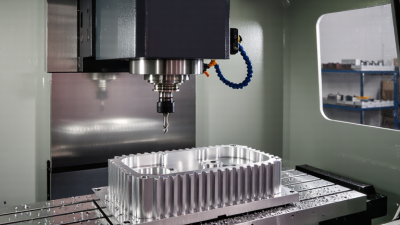
Supplier expertise shows in details, not polished capability sheets. Ask for examples using the same alloy, tolerance, geometry, and production volume as your part. Request a recent first-article inspection report. Check its datum choices, measurement method, and results against the drawing. Small details matter. For a thin-wall aluminum housing, ask how the shop controls distortion after unclamping. The International Federation of Robotics reported 4,281,585 industrial robots operating worldwide in 2023 in World Robotics 2024. Automation is widespread, but robot counts do not prove a shop can hold your tolerance.
Inspect the equipment list against your part’s needs. Confirm machine travel, spindle condition, tooling, probing, and calibrated inspection equipment. Ask how many shifts run, what work is already scheduled, and how much time remains for your order. A large machine count can mislead; maintenance, setup, and queued jobs reduce usable capacity. The Manufacturing Institute’s 2024 workforce study estimated that 3.8 million U.S. manufacturing jobs may be needed by 2033, with 1.9 million potentially unfilled. Ask who covers programming, setup, and inspection when a key operator is absent. A supplier may not have a perfect answer. Treat that as a reason to discuss a recovery plan, not an automatic rejection.
| Tip | What to Assess | What to Request or Verify | Practical Evaluation Signal |
|---|---|---|---|
| 1. Check relevant machining experience | Experience with similar part geometry, material, tolerances, and production volume. | Ask for anonymized examples, process descriptions, and lessons learned from comparable work. | The supplier can explain likely machining challenges and how they would control them, rather than relying only on general claims. |
| 2. Review equipment suitability | Machine type, axis configuration, work envelope, spindle capability, and available tooling. | Compare the equipment list and machine capacities with the part drawing, material, and required features. | The proposed machine can reach the required features and hold the work securely without unnecessary setups. |
| 3. Confirm production capacity | Current workload, available machine hours, staffing, and the ability to handle repeat orders. | Request a capacity plan showing estimated cycle time, planned production window, and any major constraints. | The supplier gives a realistic schedule based on available resources and identifies capacity risks early. |
| 4. Assess quality controls | Inspection planning, measurement equipment, calibration, and handling of nonconforming parts. | Ask for a sample inspection report and details of how measuring equipment is maintained and calibrated. | Inspection methods are linked to drawing requirements, and results are recorded with traceable part or batch identification. |
| 5. Review tolerance capability | Whether critical dimensions, geometric tolerances, and surface finishes are achievable for the design. | Identify critical features and ask how they will be machined, measured, and monitored during production. | The supplier discusses tolerance stack-up, inspection access, and process variation instead of promising every tolerance without review. |
| 6. Evaluate material sourcing | Material availability, specification control, lot identification, and any required material documentation. | Confirm the exact material grade and condition, and request certificates or traceability records when required. | Material is purchased to the agreed specification and can be linked to the production batch when traceability is needed. |
| 7. Ask about process planning | Programming, fixturing, setup sequence, deburring, and any secondary operations. | Request a quotation breakdown or process outline that includes finishing and outsourced operations, if applicable. | The plan accounts for all drawing requirements and identifies operations that may affect lead time or quality. |
| 8. Verify delivery planning | Quoted lead time, production milestones, packaging, shipping method, and contingency planning. | Ask for the assumptions behind the delivery date, including material lead time and approval requirements. | The schedule distinguishes production time from material procurement and shipping, with clear communication for delays. |
| 9. Compare total cost, not unit price alone | Setup charges, tooling, inspection, finishing, packaging, shipping, and costs of design changes. | Request a quotation that separates one-time charges from recurring part costs and states key exclusions. | Quotes can be compared on the same scope, quantity, material, finish, and inspection requirements. |
| 10. Start with a controlled first article | How the supplier validates the first production parts before releasing the full order. | Agree on sample quantity, inspection records, approval criteria, and the process for resolving discrepancies. | Production follows documented approval of the initial parts, with changes reviewed before the process is altered. |
Before comparing prices, ask the supplier to identify the exact material grade and condition. “Aluminum” or “stainless steel” is not specific enough. A material certificate should match the part drawing and, where possible, include a traceable heat or lot number. Check that the listed alloy, temper, and thickness fit the part’s load and environment. Small mismatch, real consequences.
Then review how the part will be machined. Ask which operations create critical features, such as a bearing bore or a thin wall. A clear process plan should explain setups, tooling, and how the supplier will hold tolerances. Request a sample inspection report for similar work. It can reveal whether measurements cover the features that actually matter, not just easy-to-check dimensions. I have found it tempting to accept a polished process sheet at face value; it is worth asking what changes when a tool wears or a batch runs differently.
Quality controls should be visible in records. Ask about first-article inspection, in-process checks, final inspection, and calibration of measuring tools. For a close-tolerance hole, confirm the gauge or instrument and the inspection frequency. Also clarify how nonconforming parts are separated and reported. A supplier may have a strong system, but vague answers are a reason to pause. Verify the evidence against your drawing and intended use.
A low CNC machining quote can hide differences in scope. Compare each offer against the same drawing revision, material grade, tolerances, surface finish, and inspection requirements. A quote for aluminum parts without documented inspection is not directly comparable to one that includes dimensional reports. Check whether programming, setup, tooling, deburring, and packaging are included. Small omissions can change the final price.
Look closely. Lead time should mean more than a date on a quotation. Ask when production starts, how long machining and finishing take, and whether inspection or outside processing adds days. For a batch of 200 parts, request a realistic schedule with key milestones. If the supplier gives only a broad estimate, ask what could cause delays. Capacity can shift, so a written update process matters.
Read the supplier terms before placing an order. Confirm payment milestones, quote validity, shipping responsibilities, acceptance criteria, and how design changes affect price or schedule. Ask how rejected parts are handled and what records come with delivery. I would not choose a supplier on the lowest total alone; I have seen a small difference in unit price outweigh a much larger risk in unclear terms. Still, comparing every detail can take time, and not every project needs the same level of documentation. The important part is knowing what you are paying for and what happens when plans change.
Before placing a large order, request a sample made from the specified material and production process. Check critical dimensions with suitable measuring tools, and compare the surface finish with your drawing. A polished sample may not represent every production part. Ask how the supplier will control variation between batches. Keep your approved sample and drawing revision on record.
Tip: Agree on an inspection plan before production starts. List key dimensions, tolerances, surface-finish requirements, and the inspection method for each. For a first order, request a first-article report with actual measurements, not just a pass-or-fail statement. Clarify whether you or the supplier will inspect parts, and how nonconforming pieces will be handled. It sounds obvious. It often gets missed.
Confirm delivery details in writing, including the quantity, packaging, shipping address, and agreed dispatch date. Ask whether the schedule includes machining, inspection, and packing time. If the order is urgent, discuss partial shipments and who will approve them. Set a clear process for reporting delays, too. I would not assume a quoted lead time includes every step; that small assumption can cause a very real production gap.