

 +86 180 0293 5268






Industry News

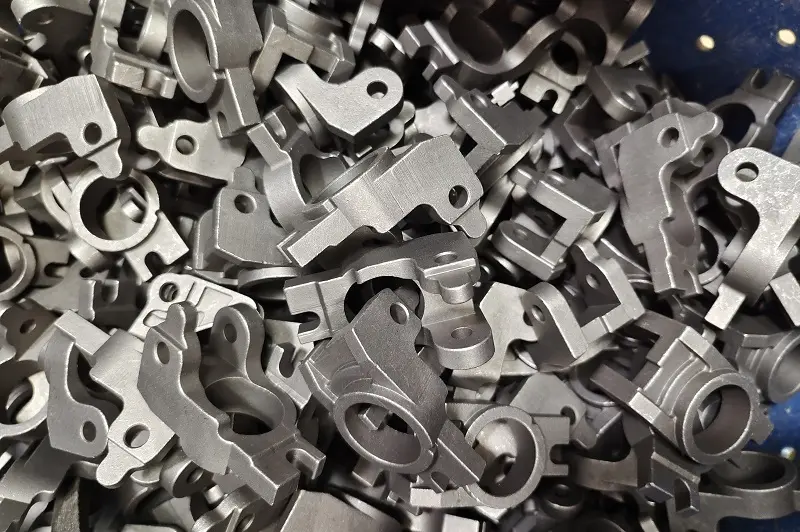
Disruptive Investment Casting Breakthrough: DDM Digital Foundry Cuts Lead Time from Months to Days Without Hard Tooling.
2026-11-03
DDM Systems, a U.S.-based advanced manufacturing technology provider, has officially launched its game-changing Digital Foundry platform on August 14, 2026, bringing a long-awaited revolution to the traditional investment casting industry. This innovative platform enables fully tool-less investment casting, removing the need for conventional hard metal tooling to fabricate wax patterns, which has stood as the foundational bottleneck for classic lost-wax casting for decades.
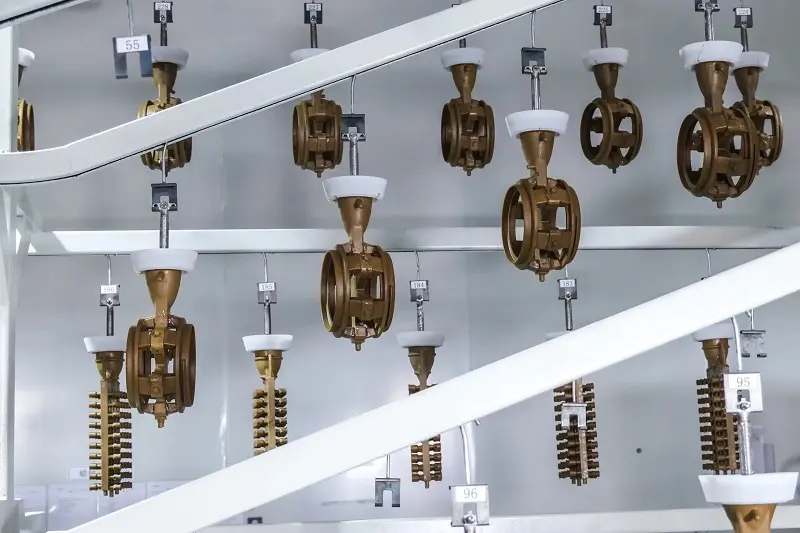
For decades, standard investment casting workflows rely on custom-machined metal dies to inject wax and produce wax patterns. These wax patterns are then assembled into a casting tree, coated layer by layer with ceramic slurry to build a refractory ceramic shell, dewaxed in an autoclave, sintered, and finally filled with molten metal. The whole sequence is labor-intensive and time-consuming. Custom tooling design, CNC machining of molds, pattern trial runs and shell process validation often stretch lead times to 0.5–2 months, especially for complex titanium and nickel superalloy castings used in high-specification sectors. When design revisions occur, manufacturers must rework or remake expensive metal molds, pushing costs higher and delaying delivery schedules. This pain point has greatly limited the agility of small-batch precision casting projects for aerospace, medical implant and high-performance industrial applications.


-
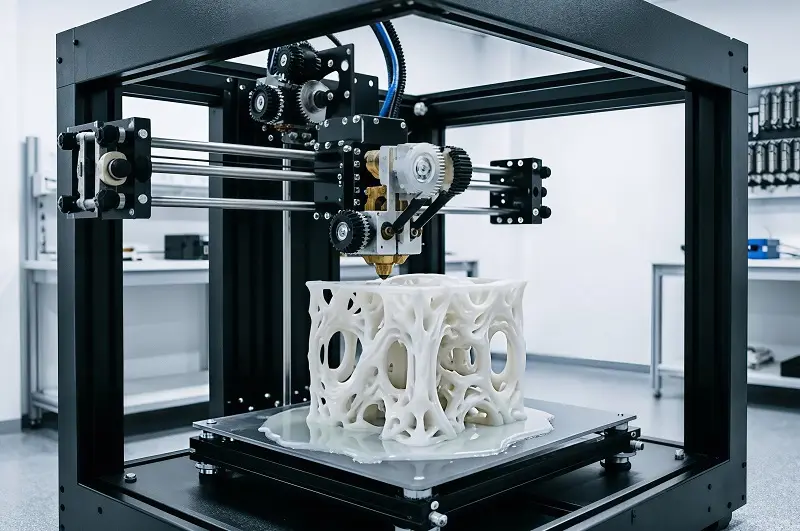
The Digital Foundry platform from DDM Systems rewrites this playbook. Instead of injection molding wax with hard tooling, the system directly prints or forms near-net-shape wax patterns digitally from CAD files. There is no requirement for custom metal mold fabrication. Once the digital wax pattern is generated, it follows proven downstream investment casting procedures: pattern assembly, ceramic shell building, dewaxing, firing, and alloy pouring. It retains all the core advantages of investment casting, including the ability to deliver intricate internal passages, thin-wall geometry and excellent surface finish that CNC machining alone struggles to achieve on certain complex cast geometries.
The most eye-catching advantage is lead time compression. Where conventional investment casting typically takes 3 to 8 weeks from drawing approval to first article inspection, the Digital Foundry workflow can deliver qualified cast components within just a few days. This massive speed gain is transformative for customers needing low-volume, high-value cast parts. The platform is optimized for titanium alloy casting and nickel superalloy casting, materials widely adopted in aerospace turbine components, structural flight parts, surgical implants and medical device hardware. These materials are notoriously difficult and costly to machine via 5-axis CNC machining, making tool-less precision casting an attractive complementary manufacturing route.
It is important to note that this technology is not replacing all high-volume investment casting production. For mass production runs with stable designs, traditional wax injection tooling still maintains superior unit cost efficiency. Its sweet spot clearly lies in small-batch casting, prototype validation, design iteration, emergency spare parts and custom one-off castings. For aerospace engineers and medical product developers, fast design iterations mean they can test multiple geometry variants quickly, accelerate product qualification cycles and reduce upfront capital locked into custom tooling.
Industry analysts have marked this launch as one of the hottest breakthroughs in the global investment casting market in 2026. Many precision foundries face growing pressure from buyers for faster quotation, shorter sample lead times and flexible minimum order quantities. Supply chain instability and rising mold machining costs further amplify demand for tool-free casting solutions. While other additive casting methods exist, DDM’s solution stands out because it is built to integrate seamlessly with existing foundry ceramic shell lines and established metallurgical specifications. Manufacturers do not need to fully rebuild their workshop or adopt entirely new post-processing infrastructure.
Even with its strengths, the new digital investment casting approach still has boundaries. Dimensional tolerance control, surface roughness and material yield need rigorous verification for ultra-critical aerospace-grade parts. Material certification, traceability and third-party material qualification will be key adoption barriers before it is widely accepted for flight-critical hardware. Still, the direction is clear: digitalization is penetrating every stage of lost-wax casting, bridging additive manufacturing and traditional foundry metallurgy.
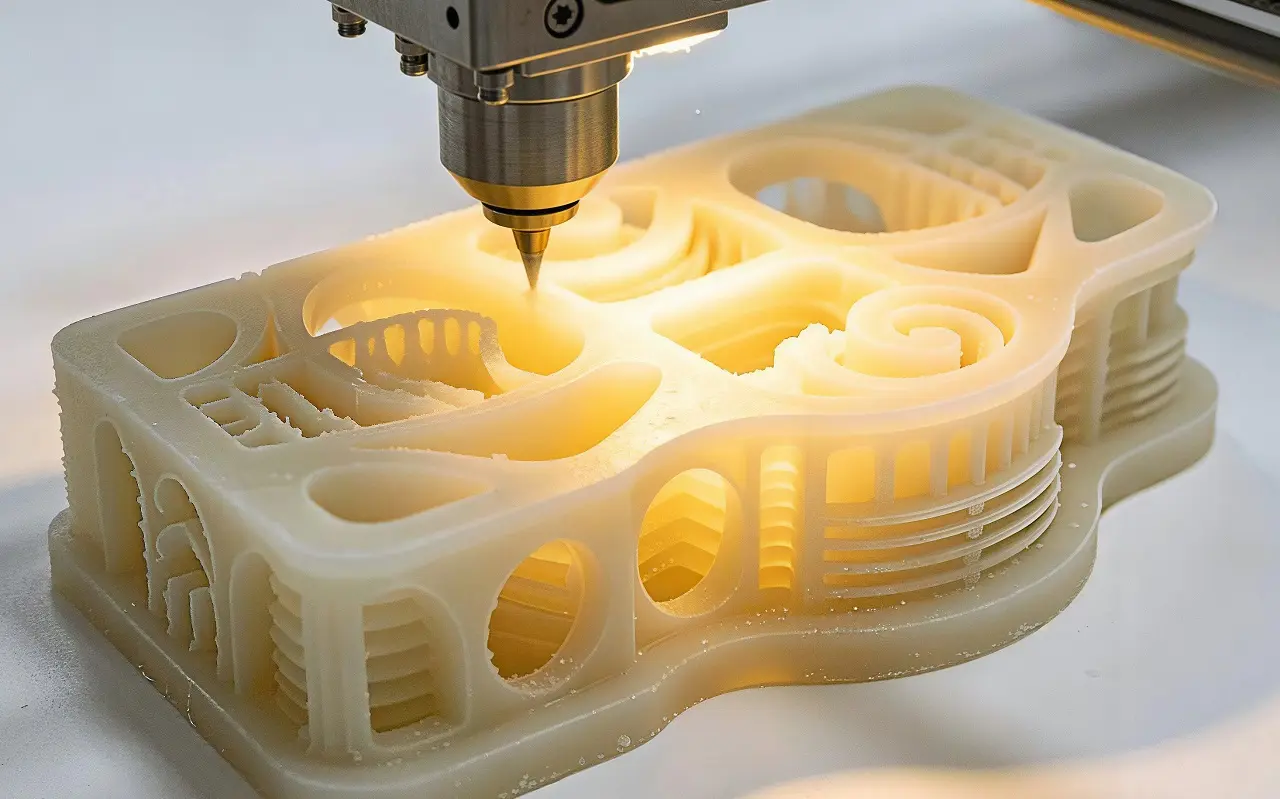
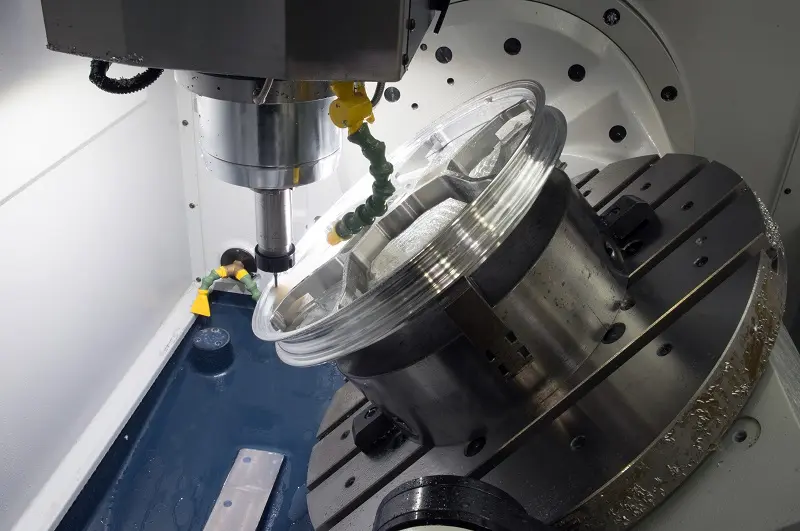
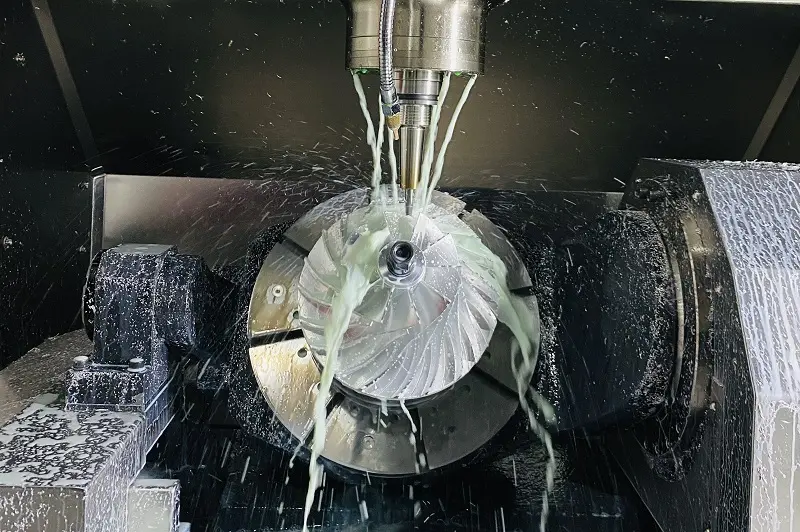
As global OEMs continue balancing rapid prototyping, low-volume custom parts and cost control, hybrid manufacturing strategies combining tool-less investment casting and precision CNC machining will become increasingly common. Cast near-net-shape blanks produced by platforms like Digital Foundry can go on to CNC milling, grinding and surface treatment to hit final drawing tolerances. This hybrid route reduces raw material waste and cuts heavy CNC machining time on expensive titanium and nickel alloys.
The launch of DDM Digital Foundry signals that the age of rigid, mold-bound investment casting is evolving. For foundries, aerospace contractors and medical component buyers, tool-free digital casting unlocks a faster, more flexible path to complex high-performance alloy castings.