How to Choose High Tech Investment Casting for Your Business?
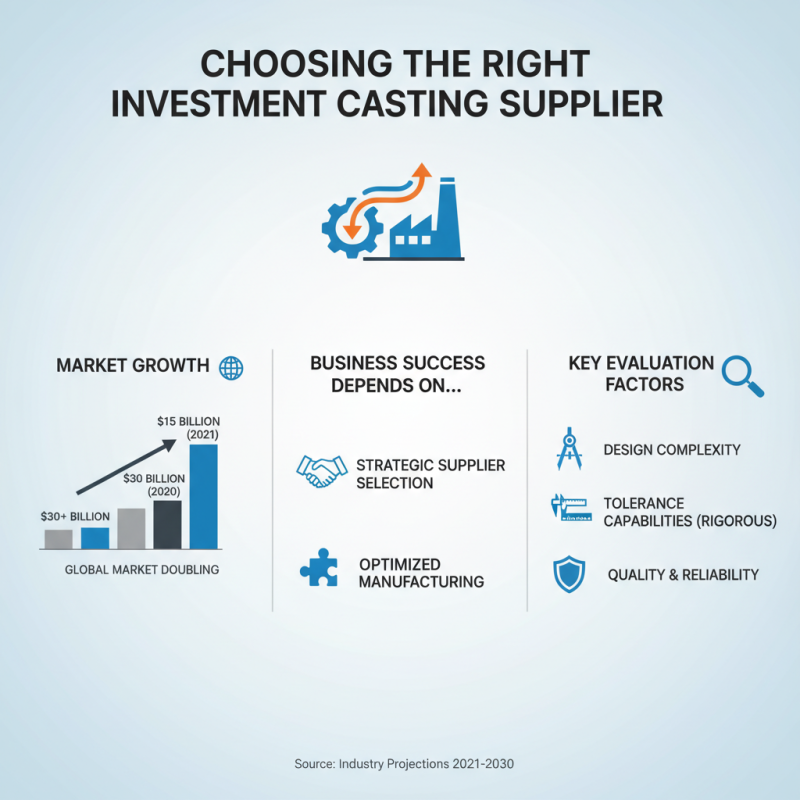
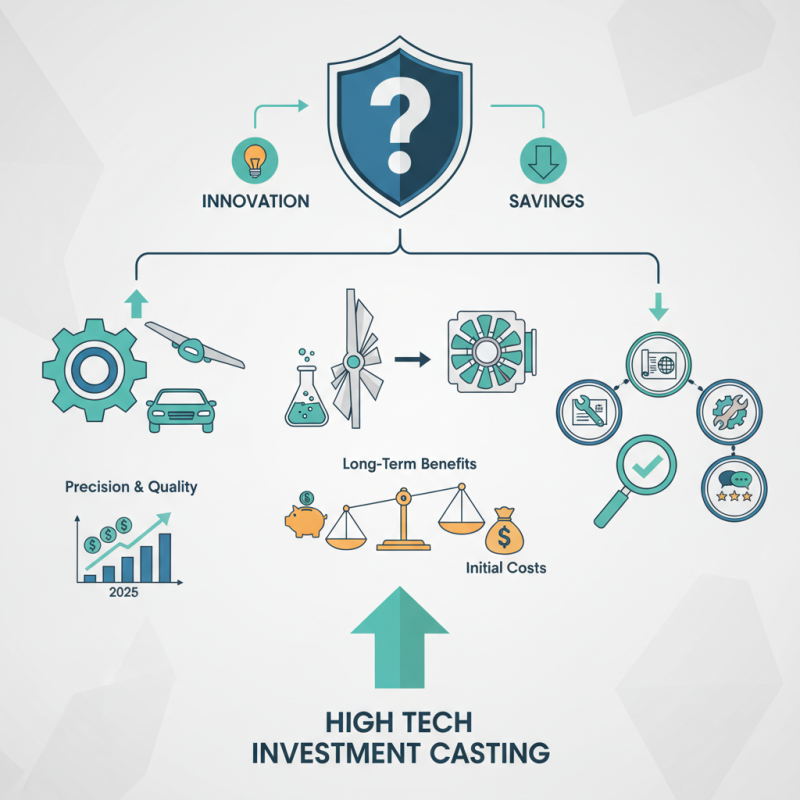
When selecting a casting method, "High Tech Investment Casting" stands out as a leading choice for businesses aiming for precision and quality. According to industry reports, the market for investment casting is projected to reach $18 billion by 2025, driven by sectors such as aerospace and automotive. This growth reflects a rising demand for components with intricate designs and superior tolerances.
High Tech Investment Casting enables manufacturers to create lightweight and complex parts efficiently. For example, aerospace components made using this method can achieve weight reductions of up to 30%, enhancing fuel efficiency. However, choosing the right casting partner requires careful consideration. Not all providers offer the same level of technology or expertise. Businesses must evaluate the provider's capabilities, past projects, and customer reviews before making a decision.
Furthermore, the initial costs of high-tech casting can be a barrier for some. Investing in advanced machinery and skilled labor is not cheap. However, the long-term benefits often outweigh these upfront costs. Lower defect rates and reduced material waste enhance overall profitability. Therefore, while the path to selecting the right high tech investment casting partner can seem daunting, the potential for innovation and savings is significant.
Understanding Investment Casting and Its Applications
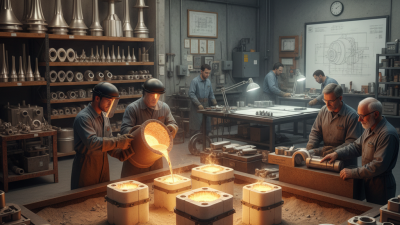
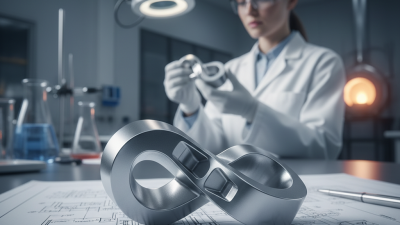
Investment casting is a versatile process used in various industries, including aerospace, automotive, and medical devices. This method allows for intricate shapes and fine details, offering high precision and excellent surface finish. By creating a wax pattern and then coating it with a ceramic shell, manufacturers can produce complex geometries that traditional machining may fail to achieve.
One of the key applications of investment casting is in producing components that require high strength and temperature resistance. For example, turbine blades in jet engines are often made using this technique. The ability to cast these parts in one piece reduces the need for assembly, which can lower costs and improve reliability. However, it is essential to consider the limitations of this method, such as potential shrinkage or the need for post-processing in some cases.
The investment casting process also demands skilled artisans and advanced technology. Each step needs careful monitoring to ensure quality. Businesses must reflect on their specific needs and capabilities before choosing this manufacturing method. An investment in training and technology might be needed to achieve the desired outcomes. Understanding these nuances can help companies make informed decisions about their manufacturing processes.
Key Factors in Evaluating High Tech Investment Casting Services
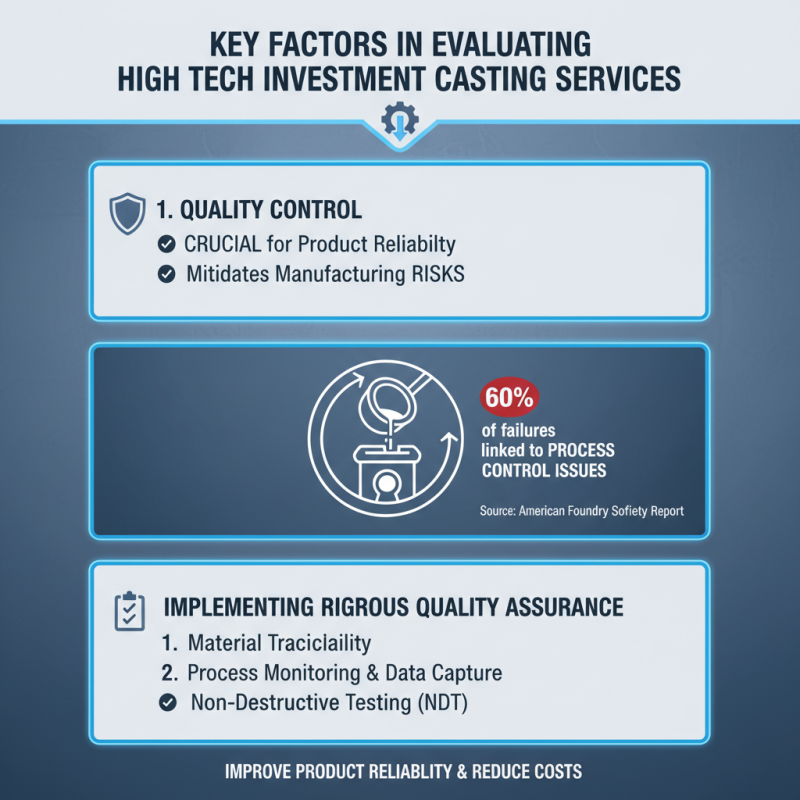
When evaluating high tech investment casting services, there are several key factors to consider. Quality control is crucial. According to a report by the American Foundry Society, up to 60% of casting failures are linked to process control issues. Implementing rigorous quality assurance can mitigate risks and improve product reliability.
Next, assess the technology used by the foundry. High tech investment casting often involves advanced methods like 3D printing and precision tooling. A survey from the Investment Casting Institute indicates that companies that invest in modern technologies see a 30% reduction in production time. This not only enhances efficiency but also contributes to superior product accuracy.
Another essential factor is the expertise of the workforce. The complexity of high tech casting demands skilled labor. In a recent industry analysis, nearly 70% of manufacturers noted that a skilled workforce directly impacts output quality. Understanding the experience and training of the team can help a business gauge the potential for successful project execution. Challenges in maintaining skilled labor are frequent, requiring ongoing training and development investments.
Comparing Materials for High Tech Investment Casting Processes
When selecting materials for high-tech investment casting, it's crucial to evaluate their properties. Common choices include stainless steel, aluminum alloys, and nickel-based superalloys. Each material brings unique advantages and disadvantages. Stainless steel, for instance, is resistant to corrosion. Yet, it can be more challenging to cast accurately.
Aluminum alloys are lightweight and easy to work with, making them a popular choice. However, they may not offer the same strength as heavier metals. Nickel-based superalloys excel in high-temperature applications, but they can be costly. Readily available data is essential in making these decisions.
Understanding your project's specific needs can guide material selection. Consider factors such as thermal properties, mechanical strength, and resistance to wear. It's not just about the materials; the casting process also influences outcomes. Manufacturers often report difficulties in achieving desired quality. Engaging with experts can provide insight into overcoming these challenges.
How to Choose High Tech Investment Casting Materials
Assessing Cost-Effectiveness of Investment Casting Solutions
Investment casting can be a game-changer for businesses. However, its cost-effectiveness is crucial for making the right decision. To assess this, one must evaluate material quality, production volume, and the complexity of designs. Lower initial costs may tempt you, but consider hidden expenses. Tooling and setup can add to your investment.
When you analyze cost-effectiveness, examine labor costs as well. Skilled labor is essential in high-tech casting processes. This can increase your production costs significantly. Reflect on whether you have access to such expertise or if training is necessary. Furthermore, think about the time required to produce parts. Longer lead times can delay your project.
Consider the economic scope of your project. Investing heavily upfront might seem daunting. However, the durability and quality of the final product can lead to long-term savings. High-tech investment casting offers precision, but it also requires careful thought. Balance initial costs with future returns to make an informed choice. Each aspect matters in the bigger picture of your production goals.
How to Choose High Tech Investment Casting for Your Business? - Assessing Cost-Effectiveness of Investment Casting Solutions
| Parameters |
Option A |
Option B |
Option C |
| Material Cost per Unit |
$5.00 |
$6.50 |
$7.25 |
| Lead Time (weeks) |
3 |
4 |
5 |
| Quality Rating (out of 10) |
8 |
9 |
9.5 |
| Volume Discount (%) |
10 |
15 |
20 |
| Customer Support Rating (out of 5) |
4 |
4.5 |
5 |



 +86 180 0293 5268
 CONTACT Shixin
 CONTACT Shixin
 CONTACT Shixin