

 +86 180 0293 5268




Industry News

How to Choose Precision Investment Casting and CNC Machining Services for Marine Projects?
2026-11-17
Marine projects and ship parts have long been exposed to harsh conditions of high salt, humidity, and strong erosion. Correspondingly, metal precision casting parts and precision CNC machined parts also need corrosion resistance, high precision, and long-term stability. As offshore wind power, ship accessories, marine projects, and other sectors continue to expand, combined with global low-carbon initiatives and digital supply chain transformations, the production models for corrosion-resistant marine precision investment castings and supporting CNC finishing (including CNC milling, turning, tapping, boring, etc.) are also forced to transform. Below, we outline the current mainstream development trends from four major directions.


-
1. Corrosion-resistant Alloys Will Become the Primary Material Choice
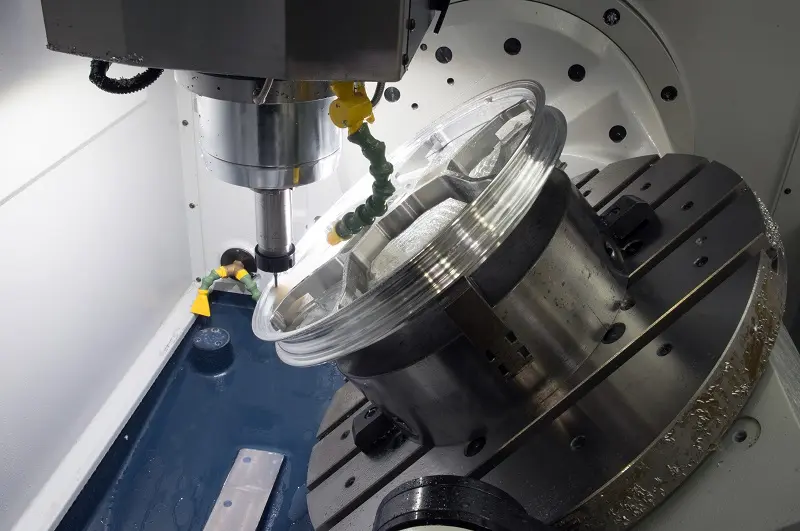
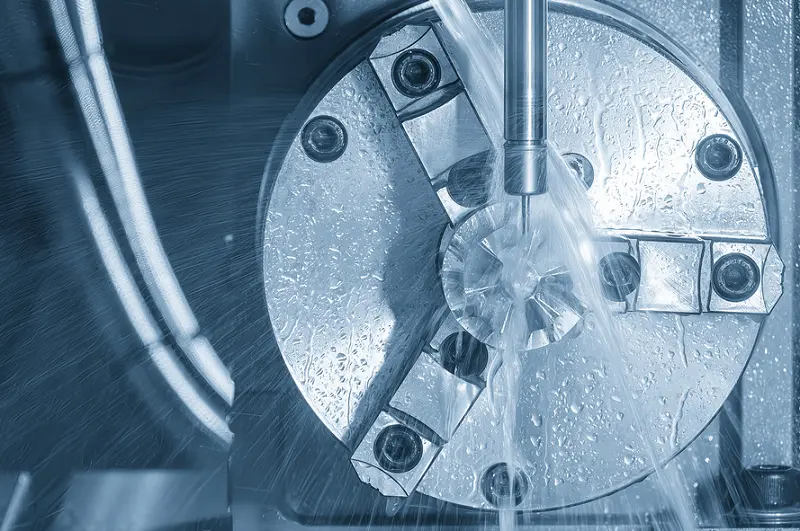
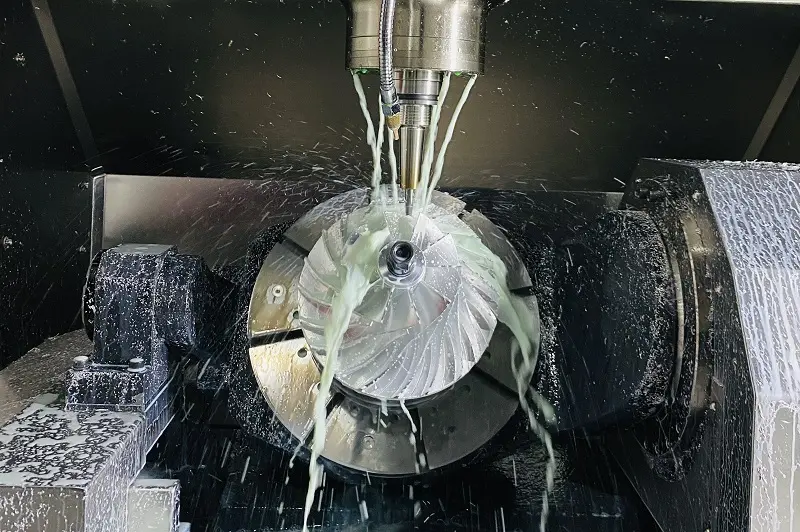
Common materials such as ordinary carbon steel that we use daily are prone to rust and lack corrosion resistance. However, marine projects and ship parts are exposed to highly corrosive environments for extended periods, so the parts they use must have corrosion resistance. Therefore, duplex stainless steel, super austenitic stainless steel, nickel-aluminum bronze, Hastelloy, and other materials have become the preferred choices. However, such alloy materials have poor flowability, are difficult to control shrinkage, and rely heavily on the near-net-shape advantages of investment casting. At the same time, the materials have high hardness and are difficult to cut, requiring precision CNC machining to complete the finishing of critical areas such as flow channels, assembly positions, and sealing surfaces. One cannot only look at the base material but must also simultaneously satisfy assembly and application requirements.
2. The role of digitalization and intelligent inspection
In the past, defects such as porosity, shrinkage, and cold shuts in metal investment casting could generally only be addressed through trial and error or experience-based process adjustments. Now, more and more manufacturers are introducing solidification simulation software, which can simulate the filling and cooling processes before pouring, allowing us to optimize the design of runners and gates in advance. At the same time, AI-assisted X-ray inspection and 3D scanning can be combined to quickly identify internal defects and dimensional deviations, greatly improving product yield. After passing the initial casting inspection, blanks are transferred to the CNC machining service process, where online probes can be used to automatically compensate for clamping errors and reduce rework—especially suitable for marine equipment parts with complex structures and irregular internal cavities.
3. Low-carbon compliance driving green manufacturing development
With regulations such as the EU CBAM and PPWR continuing to tighten, carbon footprint and recycled material traceability have become an essential path for exported corrosion-resistant precision castings. Overseas ship and marine engineering buyers will prioritize suppliers using recycled stainless steel and recycled copper materials as a future direction. For manufacturers, the green route mainly includes two parts: first, optimizing processes such as roasting and pouring in the investment casting stage to reduce energy consumption; second, through full-chain material traceability and integrating one-stop full processing to reduce additional carbon emissions from blank transportation. Manufacturers with their own CNC workshops can more easily provide customers with complete, verifiable supply chain documentation.
4. The importance of the one-stop delivery model
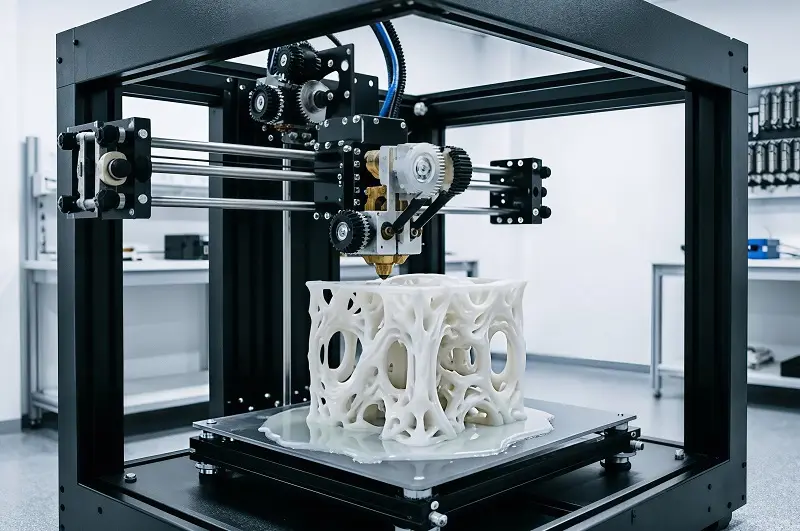
Previously, foundries typically only provided casting processing services without supporting precision machining capabilities. This resulted in high communication costs, long delivery cycles, and prone to issues of mismatched casting blank and machining datum for customers. Now, with industrial development and increasingly higher product requirements, this has driven the popularization of one-stop solutions integrating precision investment casting, multi-axis CNC finishing, passivation, polishing, and other surface treatments. For some small-batch customized parts, 3D-printed wax pattern technology can also be combined without the need for tooling, enabling rapid sample delivery and significantly shortening the R&D verification cycle for marine equipment—very suitable for non-standard precision parts such as offshore wind power accessories, ship valve components, and marine communication housings.
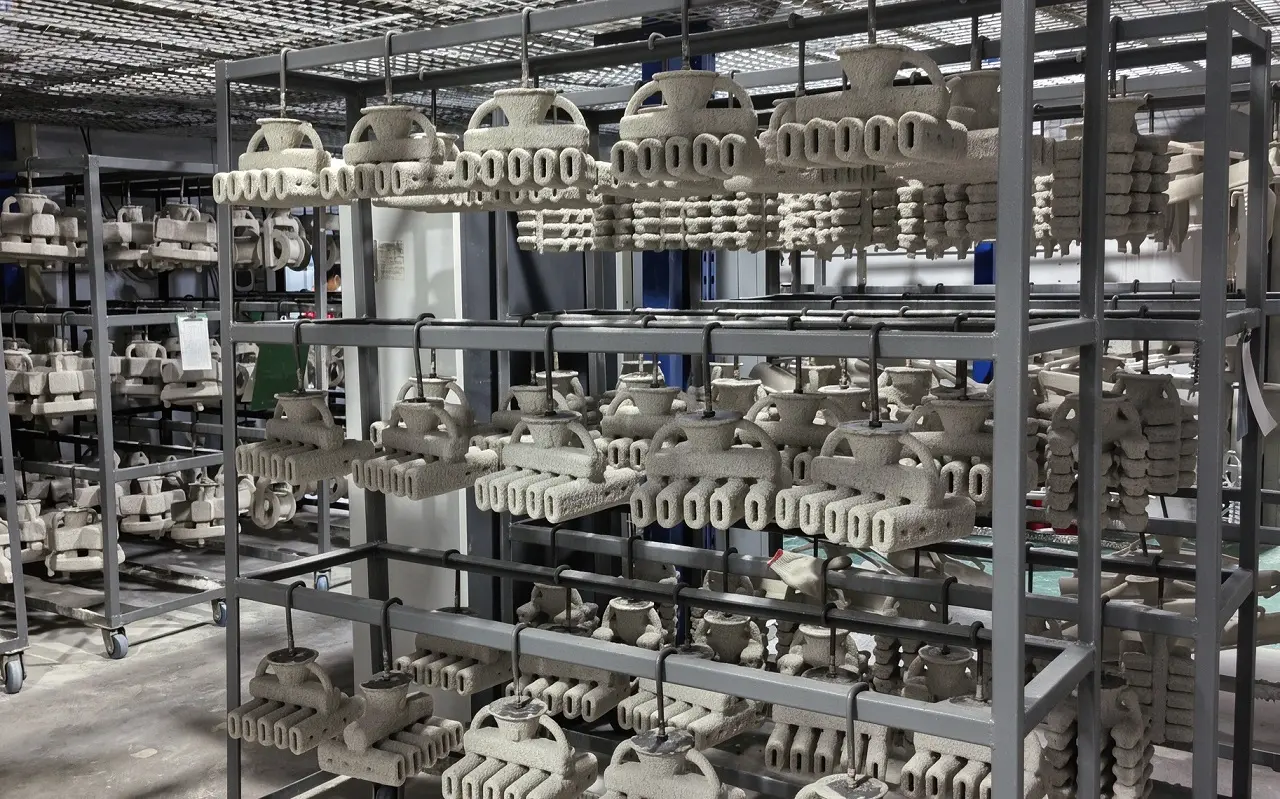
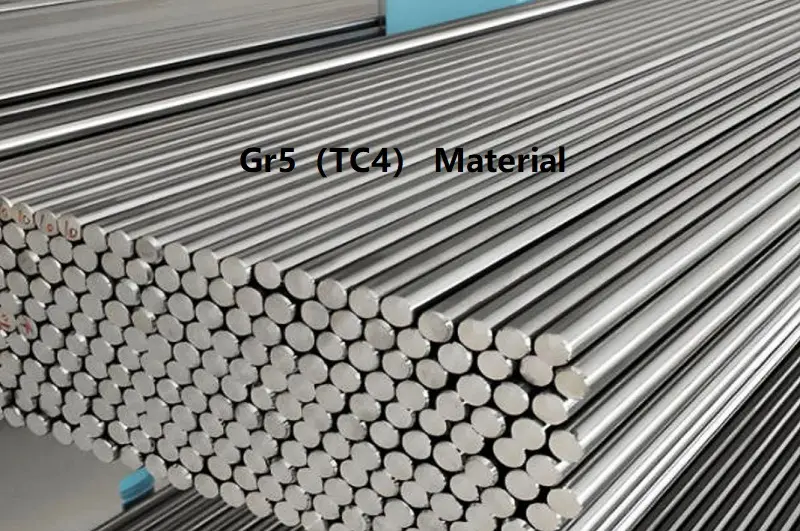
Overall, marine corrosion-resistant castings will increasingly focus on material capabilities, process stability, digital and intelligent control, and one-stop service requirements in the future. Processing enterprises that can stably control investment casting of special alloys and stainless steels, rely on their own precision CNC to complete high-precision post-processing, and simultaneously meet global low-carbon and quality inspection requirements will be better positioned to survive in the globalized world. Dongguan SX Technology CO., Ltd is an experienced enterprise deeply engaged in precision investment casting and precision CNC machining services for many years, with particularly rich experience in precision machining of special materials such as titanium alloys, stainless steel, and alloy steel. Everyone is welcome to exchange ideas ([email protected]).